 Email: tdmedical@gmail.com



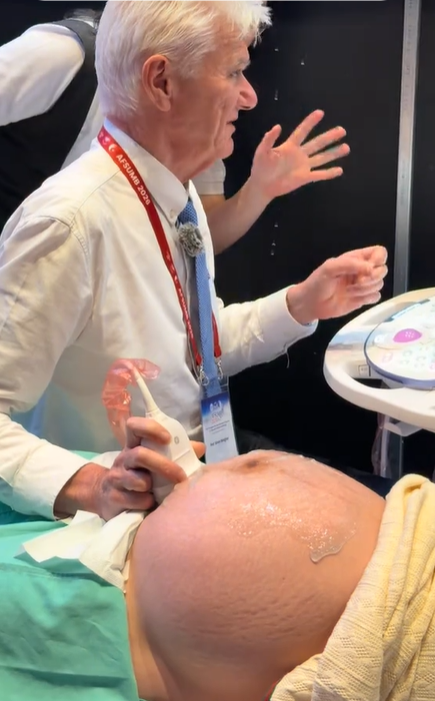
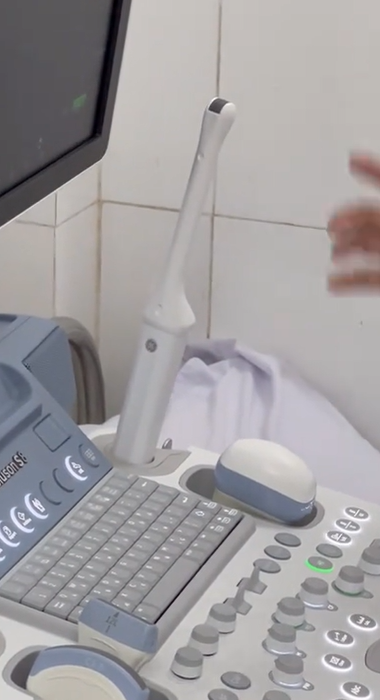
Professor Simon Meagher and Professor Ritsuko Pooh Performing Ultrasound Examinations Using the Voluson E22 System
 7.5K
7.5K
 34
34
 24-Jul-2026
 74,860

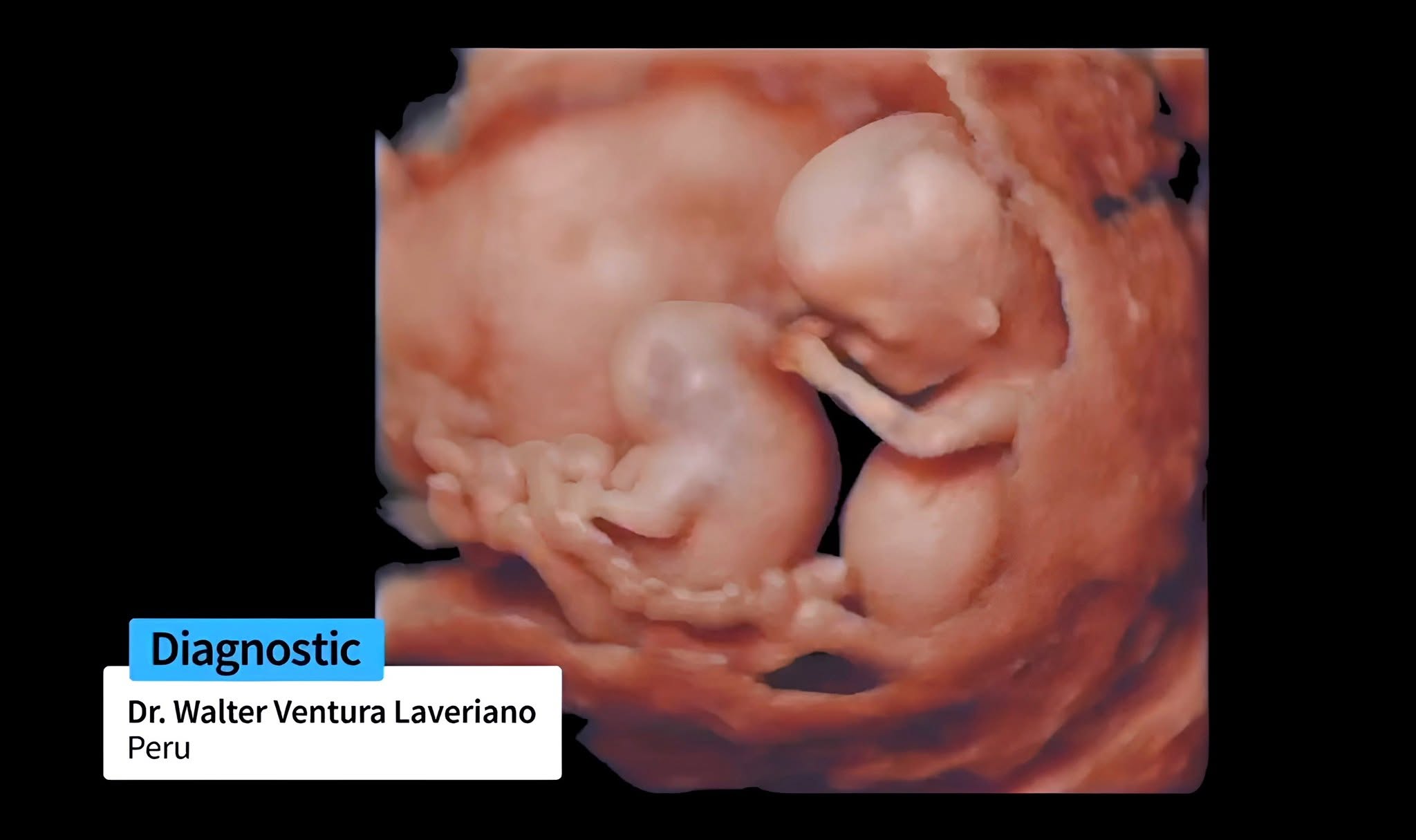
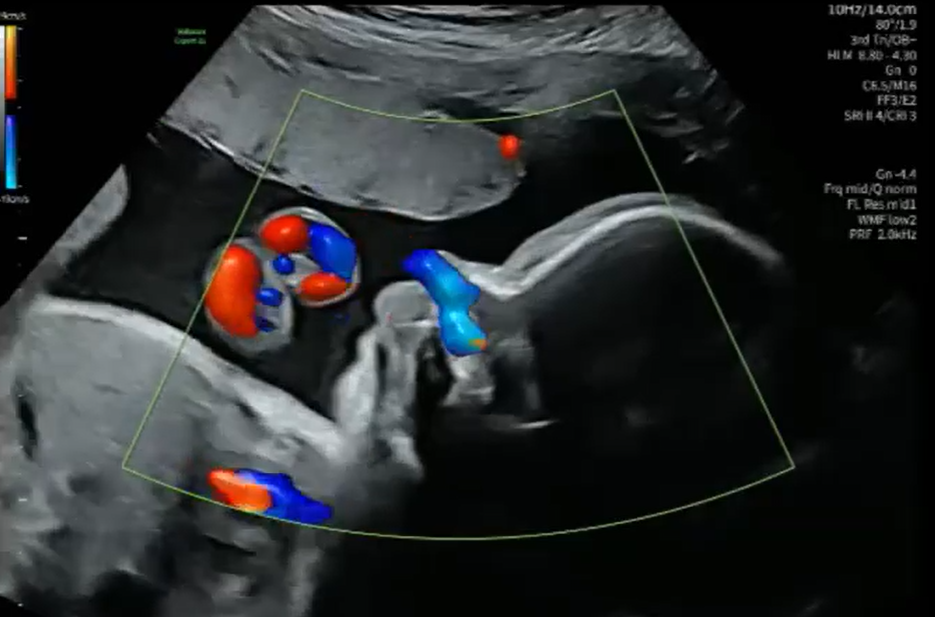
Every ultrasound examination offers more than just a glimpse of a baby’s anatomy—it also provides an opportunity to observe the remarkable activities taking place in real time. By around 27–28 weeks of pregnancy, the fetus is capable of performing coordinated movements such as bringing its hands to the face, controlling upper limb movements with increasing precision, changing facial expressions, and making delicate finger movements. These behaviors reflect the ongoing maturation of the nervous system and motor development.
Unlike a static 3D image that captures only a single moment, real-time ultrasound allows healthcare professionals to observe continuous fetal movements and behavioral states. Small actions such as swallowing, gentle breathing movements, yawning, and changes in posture not only create memorable images for parents but also provide valuable insights into the baby’s functional development alongside anatomical growth.
For this reason, assessing fetal well-being involves more than measuring body size or examining organ structures. Observing normal physiological behaviors and movements is equally important, as it offers a more comprehensive understanding of the fetus’s neurological, motor, and physical development throughout pregnancy.
Beyond its clinical value, ultrasound also creates meaningful moments by allowing parents to witness their baby’s earliest expressions and movements before birth. These real-time images help foster a unique connection between the physician, the expectant mother, and the developing baby, making prenatal care both reassuring and emotionally rewarding.
With advanced ultrasound technology such as Voluson, high-resolution, lifelike imaging enables clearer visualization of even the most subtle fetal movements. As a result, ultrasound has become more than just a diagnostic imaging tool—it is a window into the extraordinary journey of fetal development and a powerful way to deepen our understanding of life before birth.
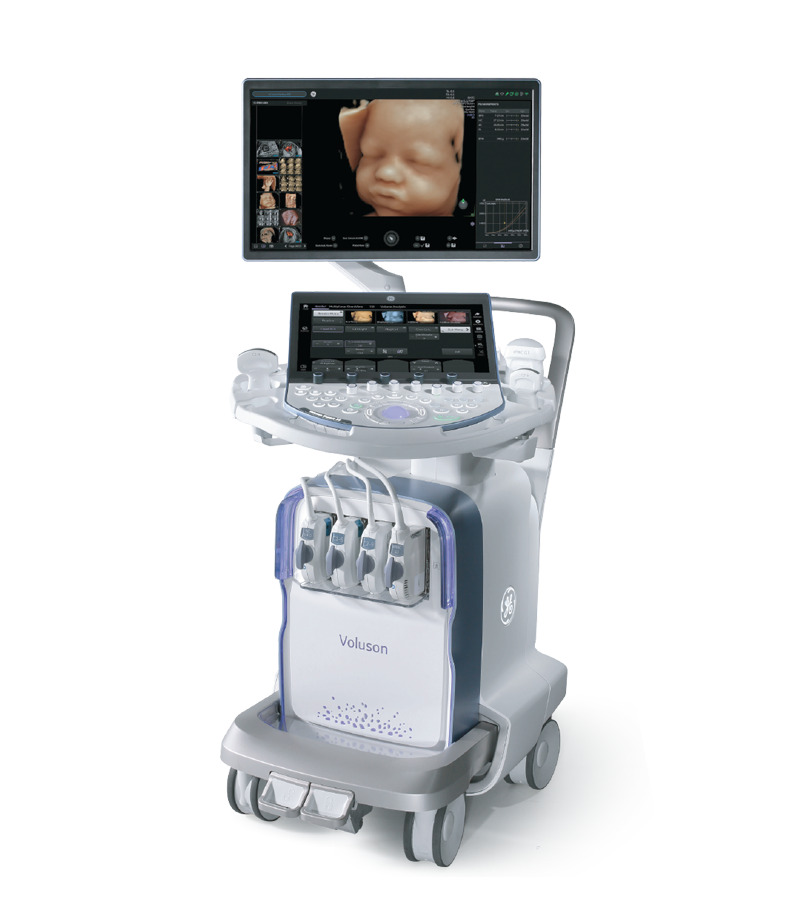
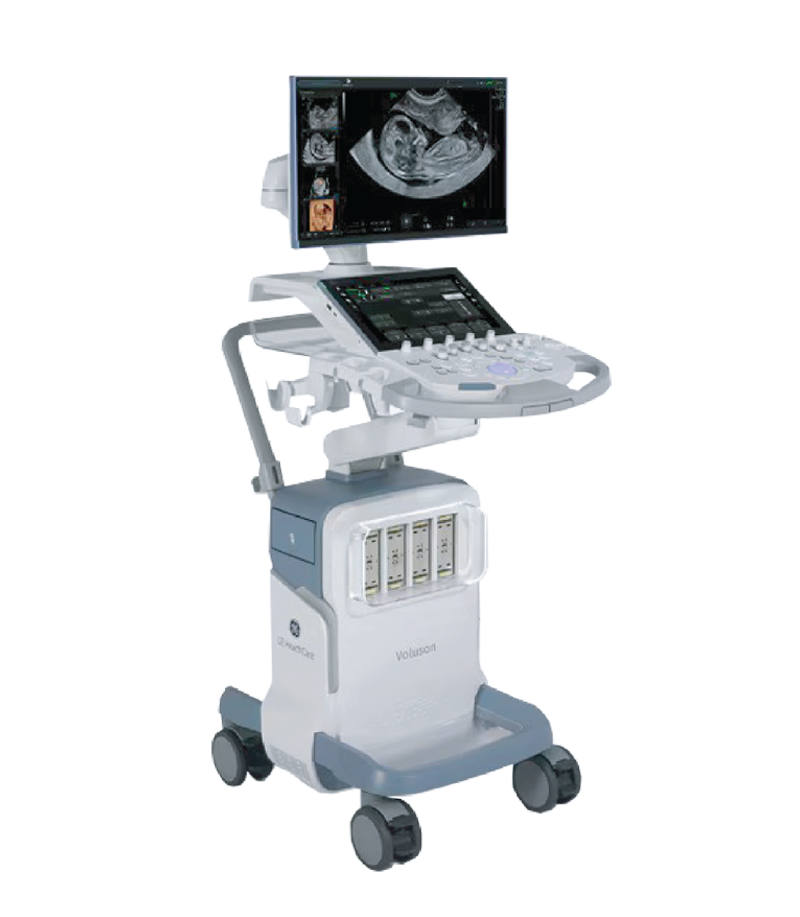
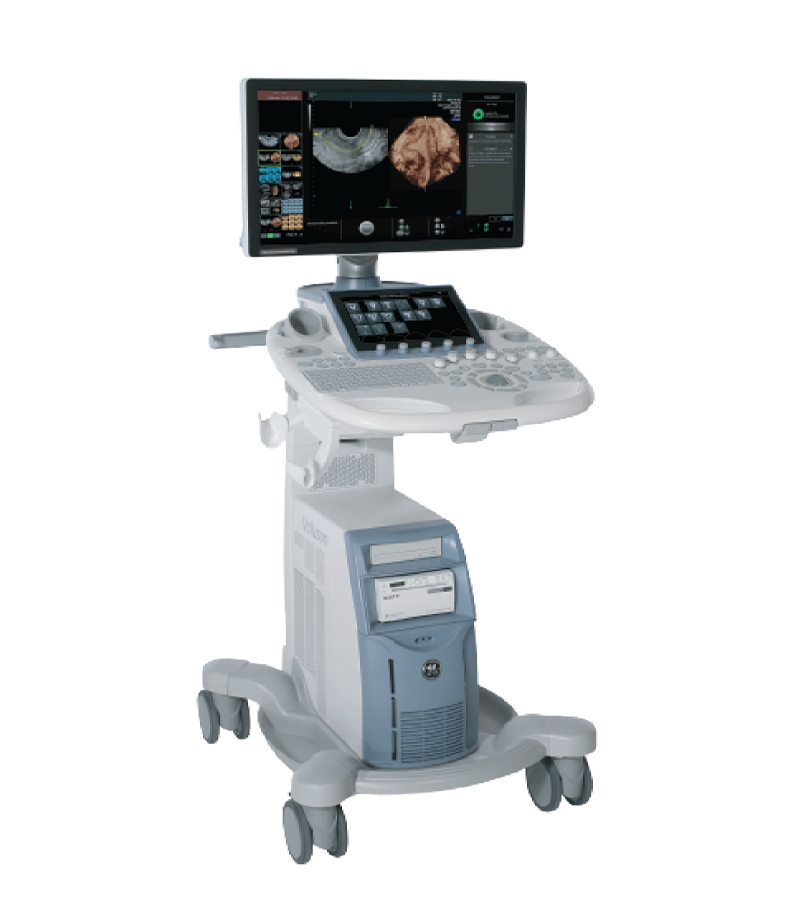
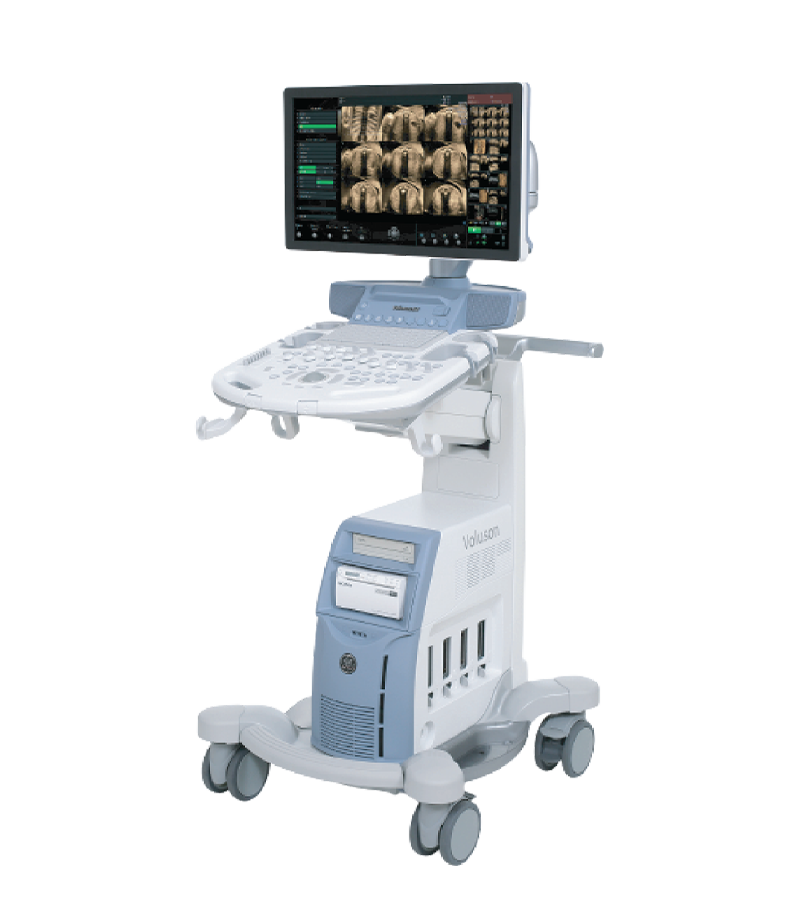
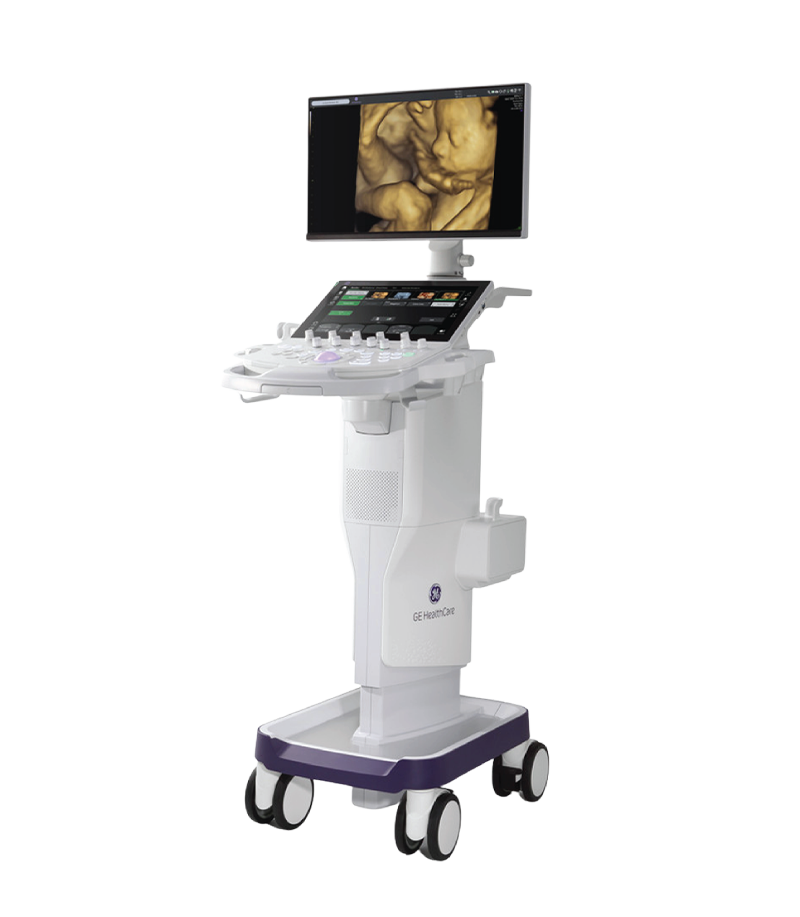
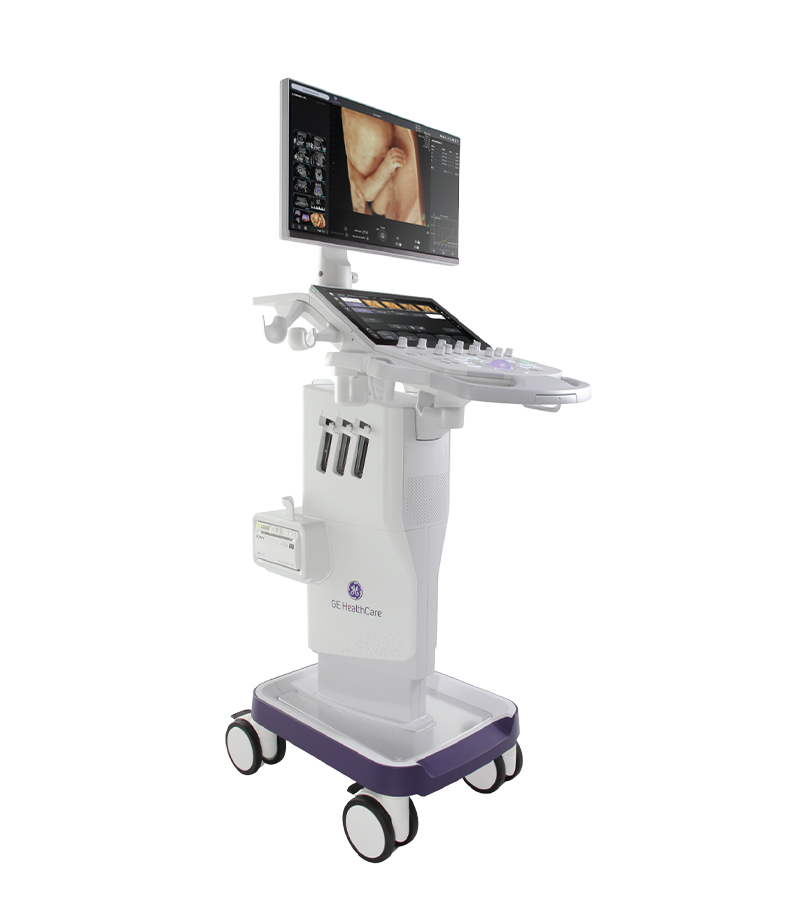
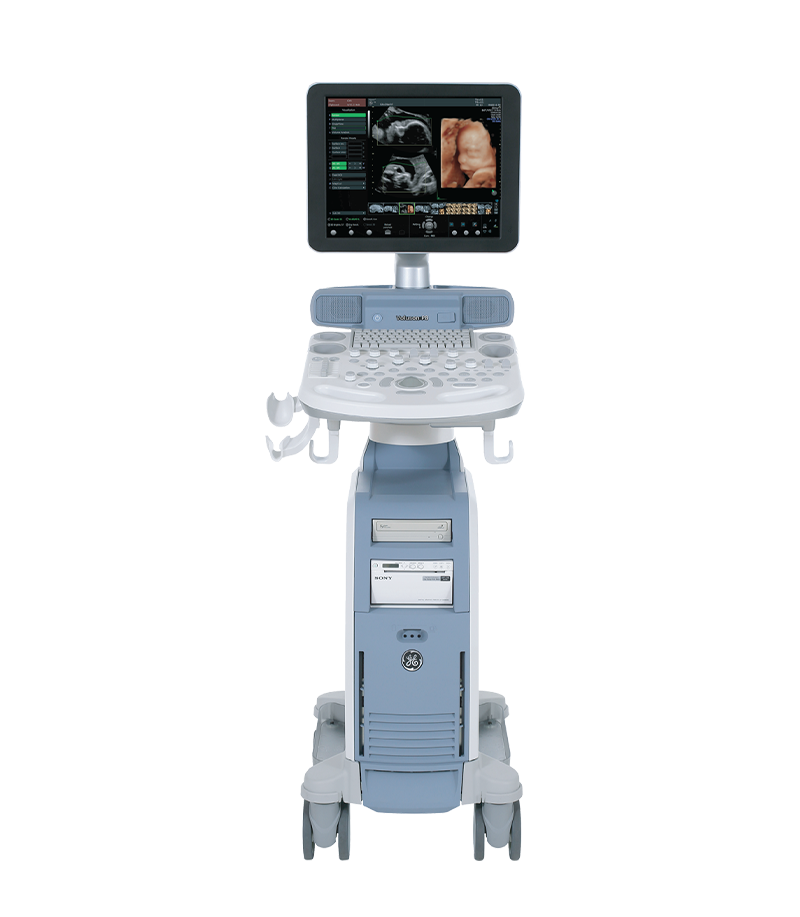
Voluson Ultrasound System
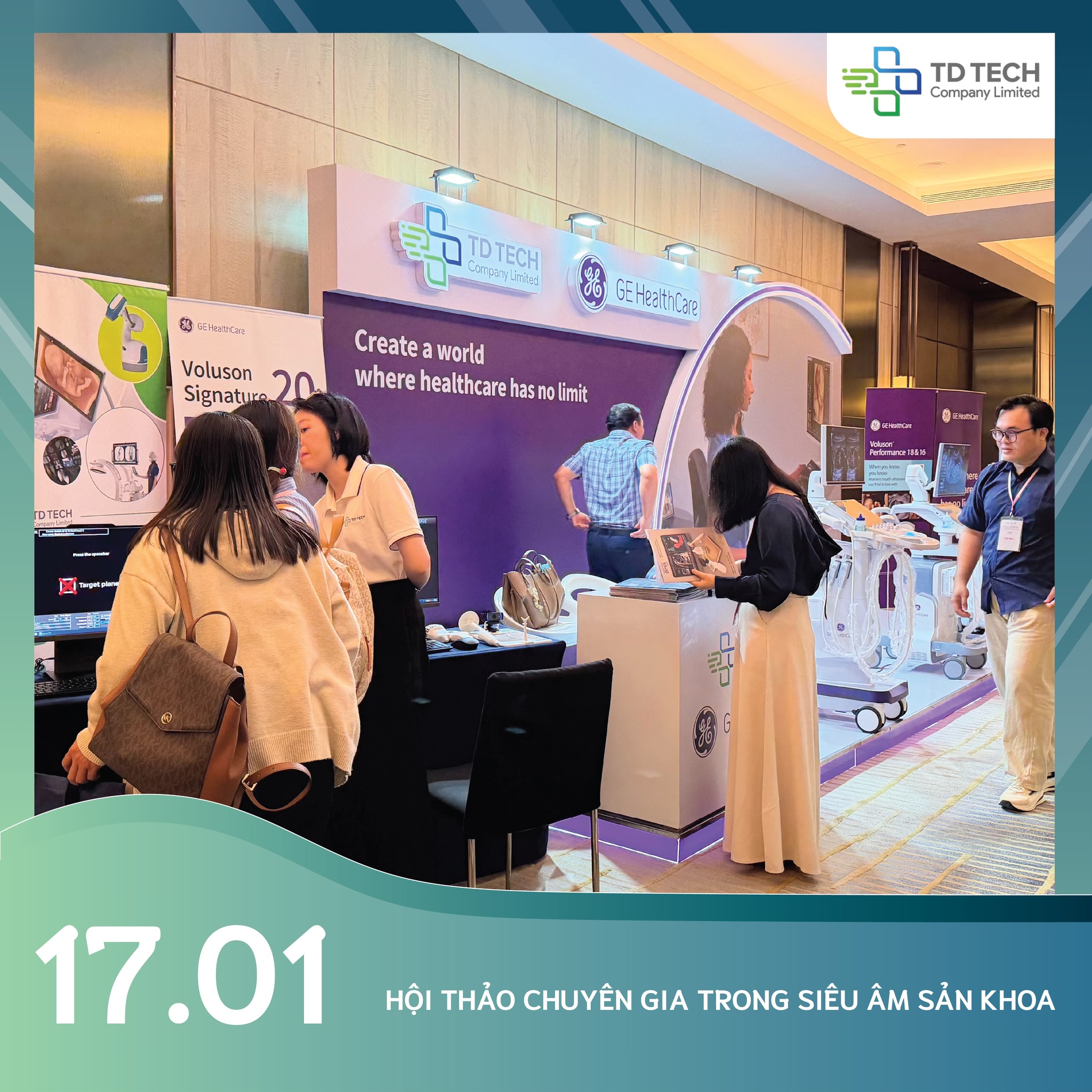
Comprehensive Medical Engineering Co., Ltd. was honored to serve as a Gold Sponsor of the Experts Meeting in Obstetric Ultrasonography (EM), held at the New World Saigon Hotel (Ho Chi Minh City) on January 17,...
Xem thêm
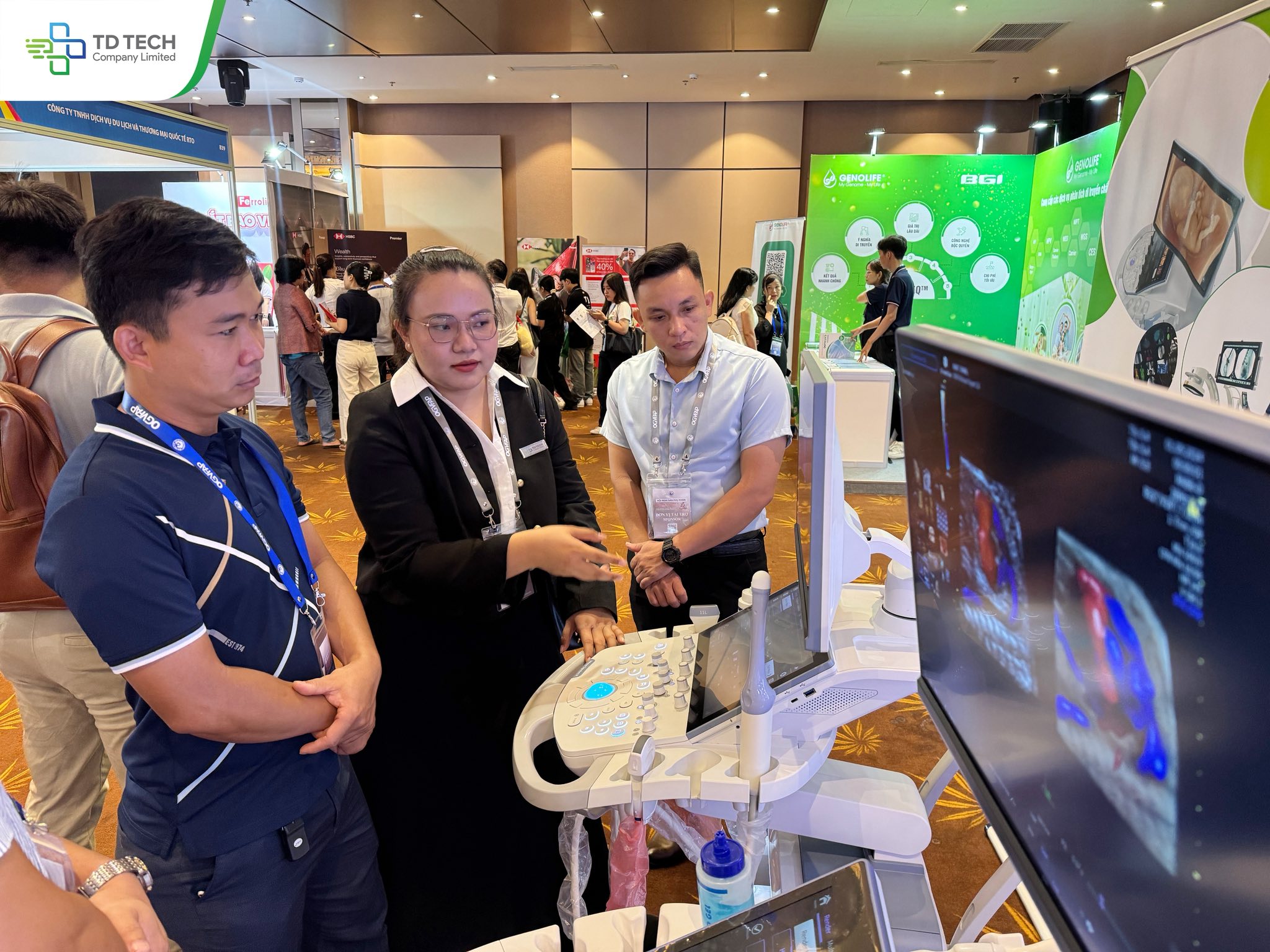
TD TECH is honored to participate in the 26th Vietnam–France–Asia-Pacific Obstetrics and Gynecology Conference, held at Riverside Palace on May 14–15, 2026. At the exhibition booth, TD TECH and GE HealthCare showcased the Voluson Signature...
Xem thêm
The badminton tournament celebrating Toan Dien Company’s Family Day took place vibrantly, gathering players who competed with all their hearts, strengthening colleague bonds and spreading the sporting spirit. A Meaningful Event to Celebrate Family Day...
Xem thêm
In diagnostic imaging, some moments go far beyond their clinical value—they leave a lasting impression and inspire reflection. A remarkable ultrasound image is not simply one that looks visually striking; it represents the perfect combination...
Xem thêm
At 28 weeks of gestation, color Doppler captured a remarkable image that we rarely pause to appreciate: amniotic fluid moving through the fetal nostrils during fetal breathing movements. Of course, this process does not involve...
Xem thêm
Ultrasound has become an indispensable tool in modern gynecology, providing real-time, non-invasive, and accessible evaluation of the female pelvic anatomy and pathology. From assessing uterine and ovarian conditions to supporting fertility treatment and pregnancy monitoring,...
Xem thêm




 Xem video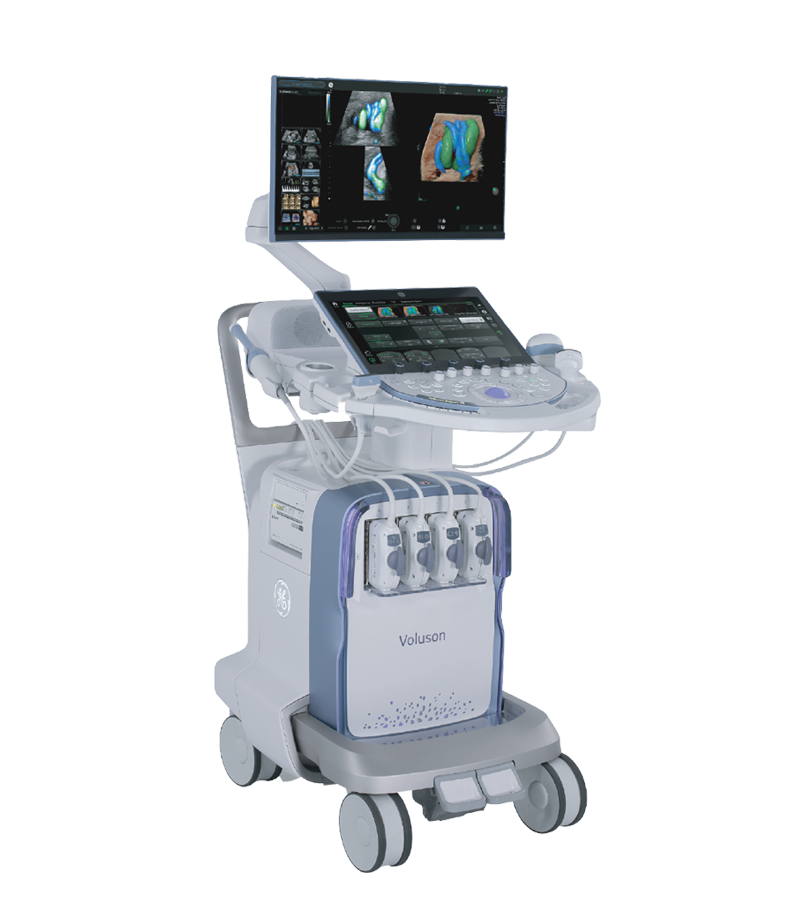



 Consult Now