 Email: tdmedical@gmail.com

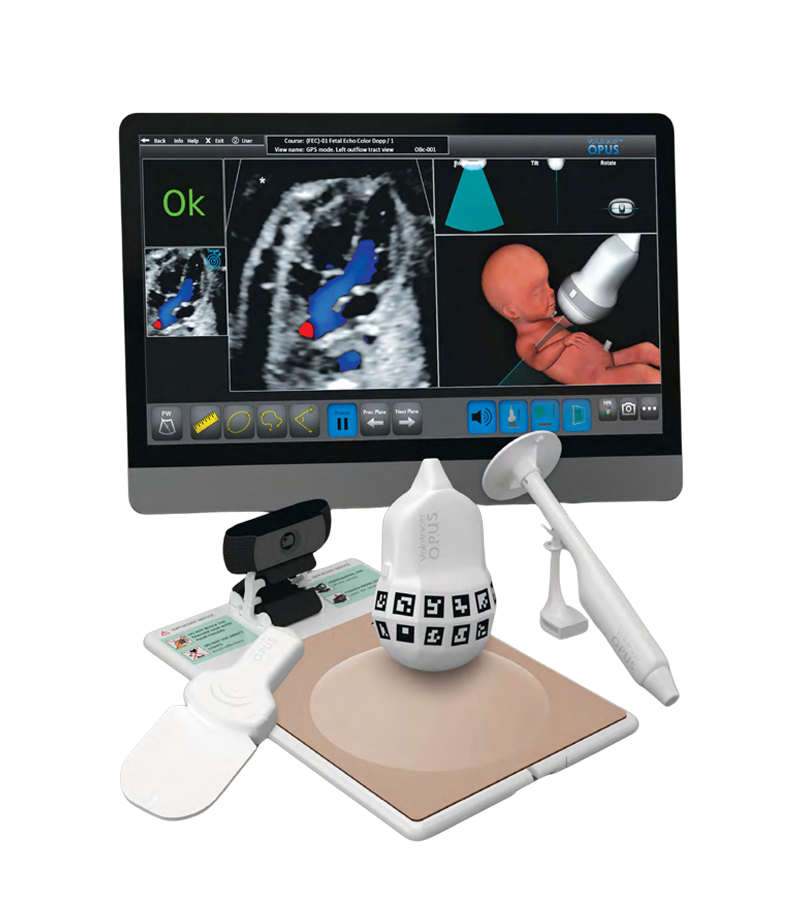
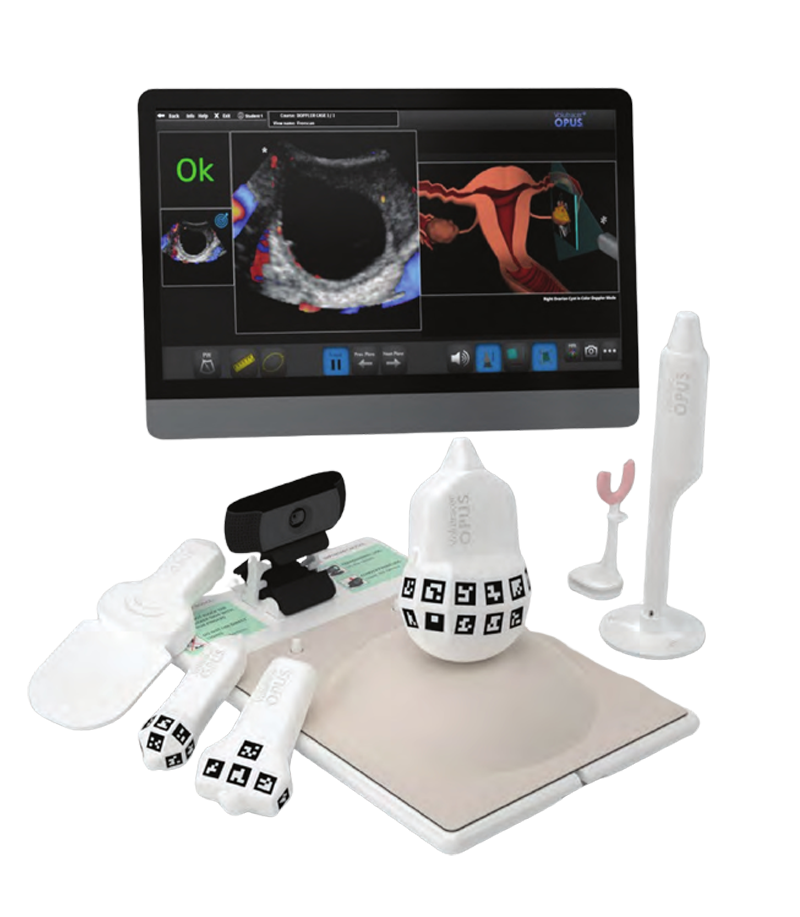
 Xem video
 Ultrasound is a highly operator-dependent skill: diagnostic quality is tied to the physician's ability to handle the transducer, orient the plane, and interpret the image. Traditionally, this skill is learned through hands-on practice directly on patients — a time-consuming process that depends on the number of cases encountered and carries pressure for both the learner and the patient. Simulation was created to address precisely those limitations.
Repeated, safe, and controlled practice
With a simulation system, learners can practice the same case many times until proficient, and access rare cases that clinical practice might otherwise take years to encounter. Learning takes place in a safe environment that causes no discomfort to patients and allows the instructor to intervene and explain right at the moment of the maneuver.
Standardization and objective assessment
A major benefit of simulation is the ability to standardize the training program: every learner practices on the same dataset, against the same criteria, making assessment objective and fair. This is especially important for medical universities and training centers that need to demonstrate the output competency of their learners.
Shortening the learning curve
By combining instant feedback on transducer position and the resulting plane, the simulation system helps learners build spatial intuition faster. The result is a significantly shortened learning curve, giving physicians more confidence when they enter real clinical practice.
Reducing risk and pressure for patients
Once physicians have mastered the basic maneuvers on the simulation system, real examination times are shortened and accuracy increases, reducing discomfort and anxiety for patients. This is a dual benefit: it both raises the quality of training and improves the experience and safety of patients from the learner's very first practice cases.

