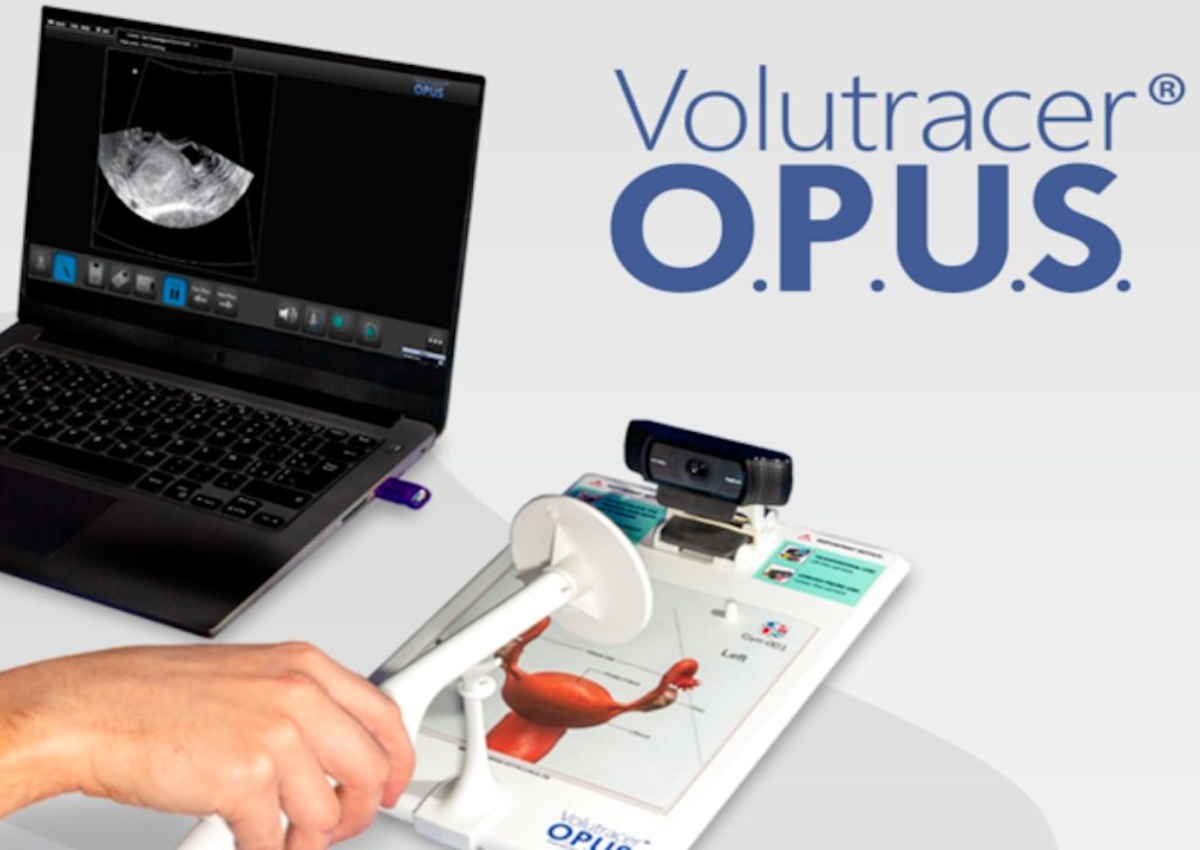
Why optical tracking ultrasound simulation is a strategic investment for the modern hospitalIn-depth analysis
Over the past decade, ultrasound has become the "second stethoscope" of modern medicine: from obstetrics and cardiology to emergency and point-of-care (POC), virtually every specialty depends on ultrasound imaging. But unlike many other diagnostic imaging modalities, ultrasound quality depends directly on the hands of the person holding the probe. With the same machine and the same patient, two physicians with different skill levels can produce very different results.
This is precisely why leading hospitals worldwide have added ultrasound simulation systems to their list of strategic equipment — not to replace diagnostic ultrasound machines, but to ensure that every physician who touches a patient has already achieved a verifiable skill standard. With Volutracer O.P.U.S. 360, that skill standard is defined by numbers for the first time.
From "expert intuition" to "competency data"
Traditional ultrasound skill assessment relies on direct observation by an experienced clinician — a valid method, but one that is difficult to scale and difficult to compare. The 360-degree optical tracking technology combined with 6 degrees of freedom (6-DOF) capture of O.P.U.S. 360 changes the picture entirely: every tilt, rotation, and probe slide becomes data. The system knows precisely which trajectory a physician took to reach the target view, how long it took, and what percentage accuracy was achieved.
For administrators, this means: each physician's competency record is stored quantitatively on the cloud, providing the basis for clinical assignment decisions, staffing planning, and internal quality management — tasks previously only possible through subjective judgment.
The financial case: look at total cost of ownership, not just the purchase price
When evaluating an ultrasound simulation device, the upfront price is only half the story. The other half — often overlooked — is accumulated operating costs: electronic probes damaged by drops (a very high risk in multi-user environments), and annual content licensing fees.
O.P.U.S. 360 is designed to minimize both. Passive technology probes contain no electronic components and are therefore virtually immune to the failures that affect conventional probes. OPUS Cloud with over 2,000 clinical cases — including Institutional Ensembles from the world's leading medical organizations — is provided free for life. Over 5–10 years of operation, the difference in total cost of ownership compared to subscription-based systems can amount to hundreds of millions of Vietnamese dong.
One system — serving multiple departments
With a set of five 360° optical probes (cardiac, linear, volumetric, convex, and transvaginal), a single O.P.U.S. 360 system simultaneously serves the needs of Obstetrics, Radiology, Cardiology, IVF centers, and emergency teams — something few devices can achieve with a single investment. Full imaging modes (2D, color Doppler, power Doppler, spectral Doppler, real-time MPR) along with standard measurement functions ensure a consistent experience with the diagnostic ultrasound machines your team uses every day.
Flexible deployment by institutional scale
Smaller institutions can start with a single station; larger hospitals can deploy the OPUSLab configuration for 5–30 simultaneous users, where the MAESTRO station allows the clinical supervisor to monitor all activity from a single screen, while SOLO stations let each physician independently build skills with automatic GPS guidance. Minimal infrastructure requirements — only a standard Windows computer — keep deployment and maintenance costs as low as possible.
TD Tech's advice
Before making a decision, consider three questions: (1) how many physicians does your institution need to standardize, and across which specialties; (2) is your budget calculated on a 5-year total cost of ownership or just the initial purchase price; (3) does your institution need quantitative competency data to support quality management and internal accreditation. The TD Tech team is ready to conduct an on-site assessment and recommend the optimal configuration — from a single standalone station to a full OPUSLab — tailored to the scale and budget of your hospital.
 Email: tdmedical@gmail.com

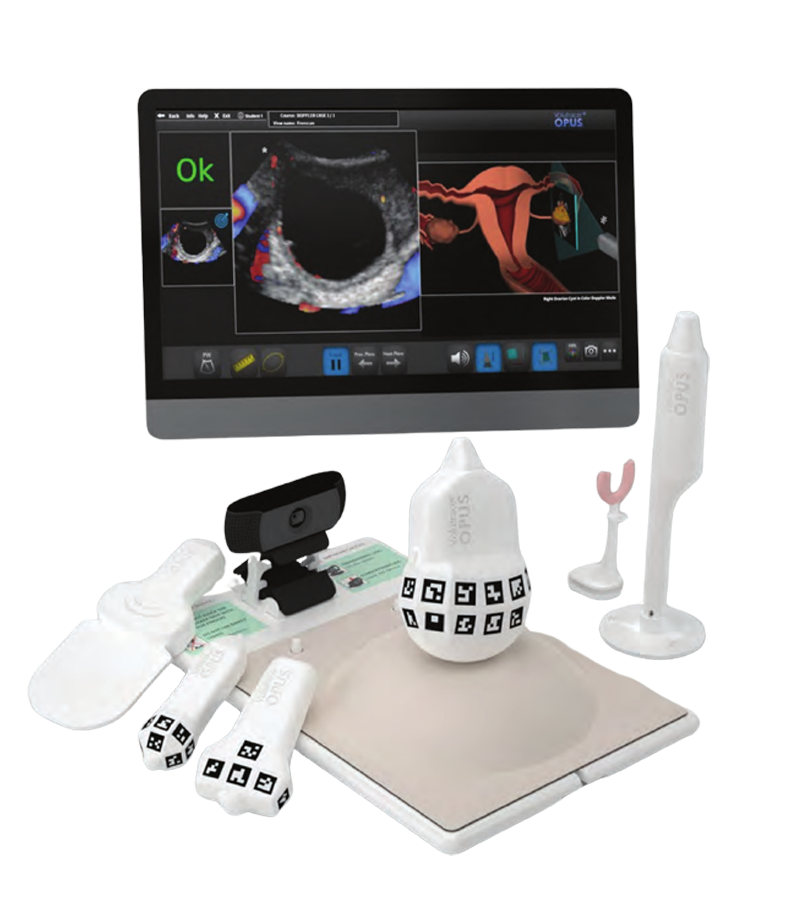
 Manufactured by Medge Platforms Inc. (USA)
 Distributed by TD Tech — Authorized GE HealthCare Dealer
 Serving multiple specialties: OB/GYN · Cardiology · IVF · POC