 Email: tdmedical@gmail.com



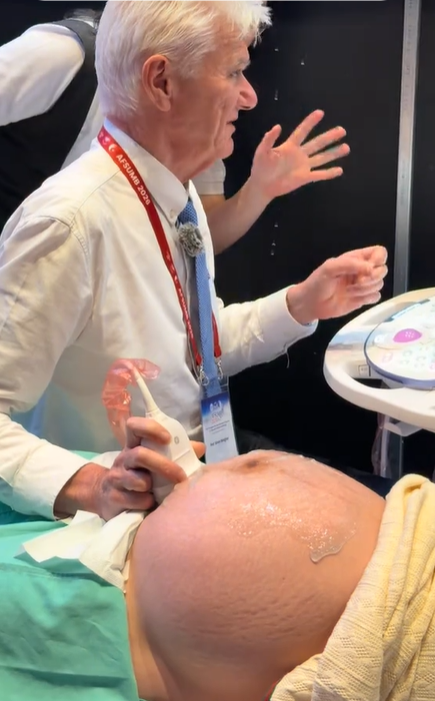
Professor Simon Meagher and Professor Ritsuko Pooh Performing Ultrasound Examinations Using the Voluson E22 System
 8.3K
8.3K
 51
51
 01-Jul-2026
 82,365
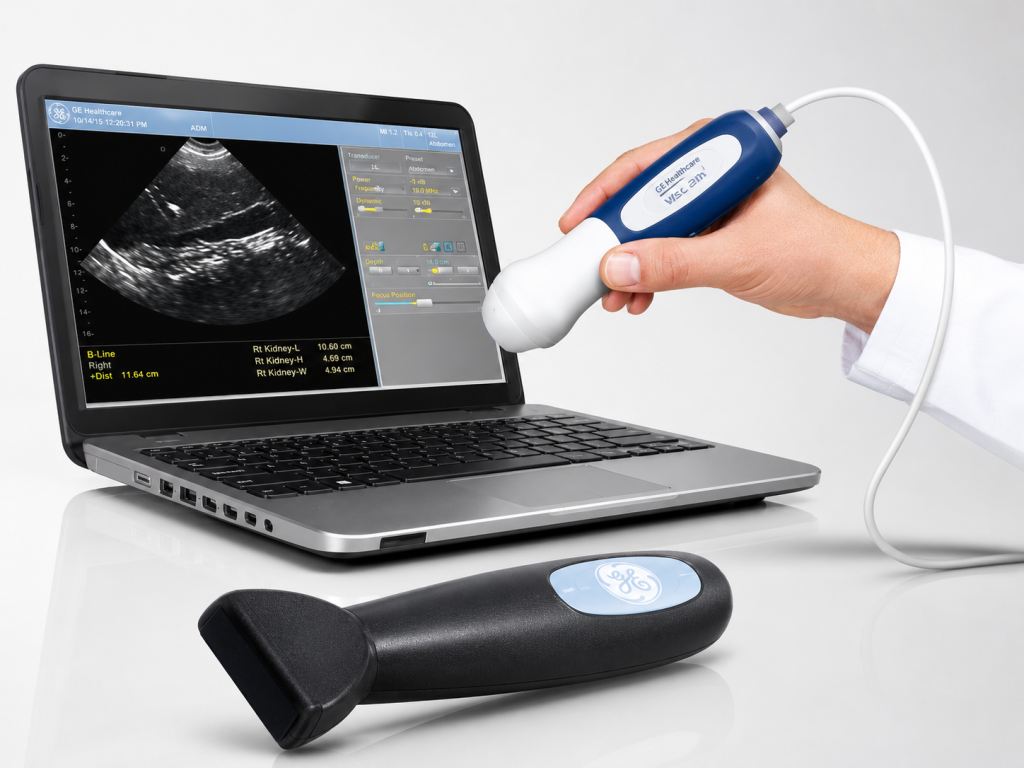
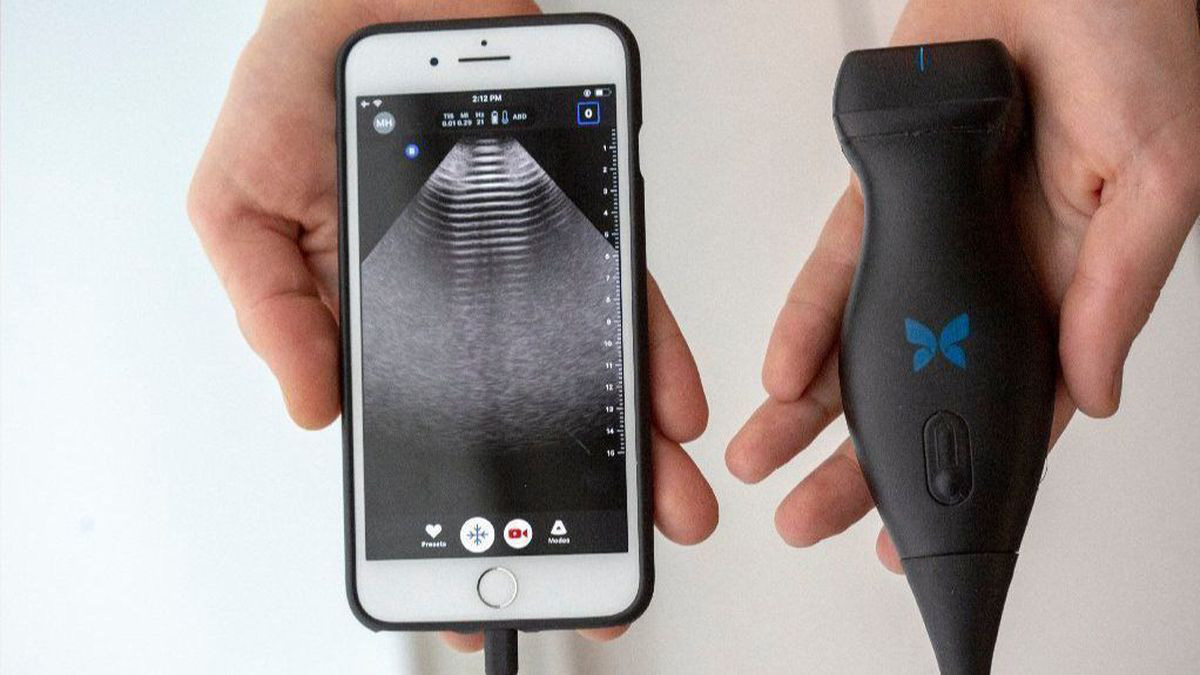
A handheld ultrasound device is an ultra-compact medical imaging system, typically no larger than a smartphone or tablet, that connects directly to a smart ultrasound probe. Powered by a rechargeable battery, it is lightweight and portable enough to fit into a pocket, allowing clinicians to carry it anywhere—from emergency departments and ambulances to rural outreach programs and remote healthcare settings.
The medical device industry is undergoing a significant transformation toward greater portability and mobility. One of the clearest examples is the emergence of handheld ultrasound systems. Often referred to as the “21st-century stethoscope,” these devices enable physicians to perform real-time imaging and bedside assessments wherever patient care is delivered.
Handheld ultrasound is redefining clinical workflows thanks to several key advantages:
Exceptional portability and flexibility:
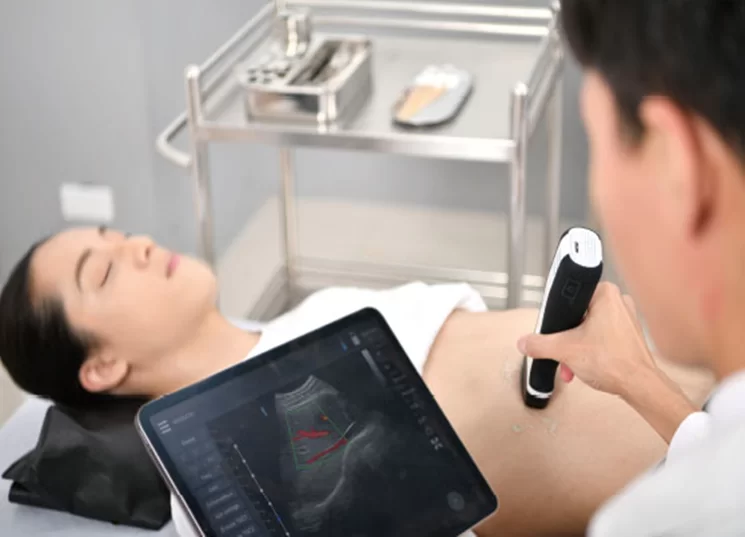
This is the device’s greatest strength. Physicians can bring it directly to the patient’s bedside, intensive care unit (ICU), or use it in frontline healthcare without needing to transport critically ill patients.
Rapid diagnosis:
In life-threatening situations such as pleural effusion, pericardial effusion, or trauma, handheld ultrasound enables physicians to make intervention decisions within minutes, maximizing the “golden hour” for saving lives.
Cost-effective investment:
Compared with premium cart-based ultrasound systems, handheld devices are significantly more affordable, making them an attractive option for physicians who want a personal scanner or for small medical practices.
User-friendly interface:
Most handheld systems connect to smartphones or tablets via dedicated applications, offering intuitive touch-based controls and seamless remote data sharing for telehealth applications.
Despite their many advantages, handheld ultrasound devices cannot completely replace conventional ultrasound systems because of several technical limitations:
Basic image quality:
Due to hardware size constraints, the processing power and image resolution of handheld devices cannot match those of full-sized ultrasound systems. Detecting very small lesions or visualizing deep anatomical structures remains challenging.
Limited advanced features:
Handheld ultrasound is primarily designed for rapid assessment, such as fluid detection, needle guidance, and basic cardiac evaluation. It generally lacks advanced imaging technologies, sophisticated automated measurement tools, and highly sensitive color Doppler capabilities.
Limited battery life:
Since these devices rely on rechargeable batteries, they typically operate continuously for only a few hours, making them less suitable for high-volume screening sessions.
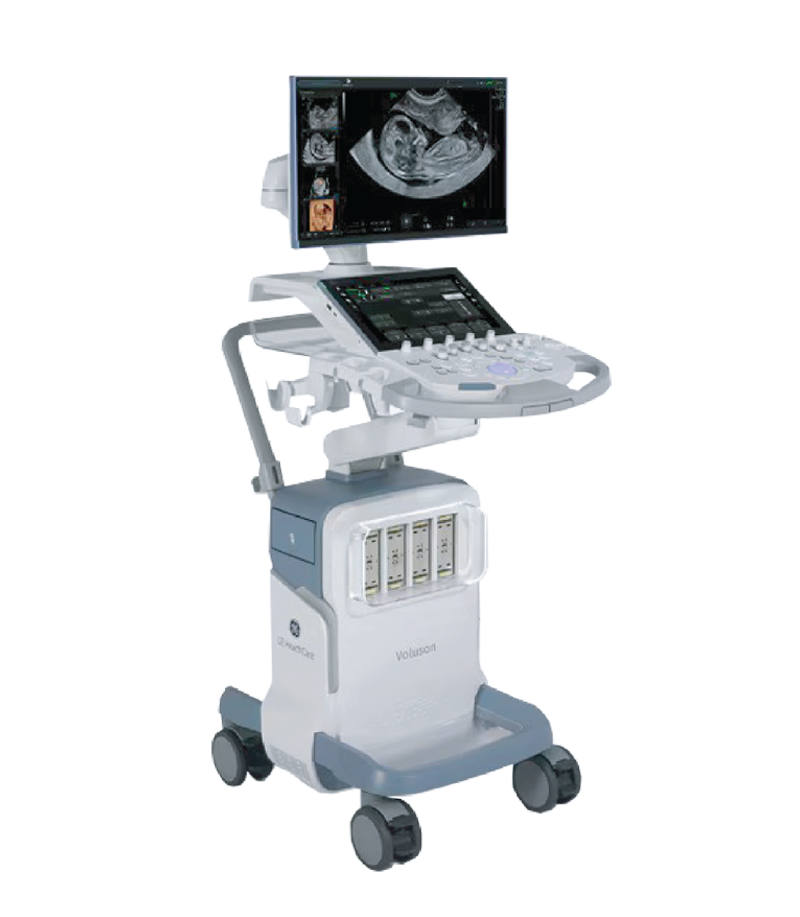
To better understand the clinical differences, let’s compare handheld ultrasound devices with TD TECH’s premium cart-based ultrasound systems, such as the Voluson S18 and the Voluson Expert 20.
Voluson S18 and Voluson Expert 20 Ultrasound System
Based on the advantages and limitations above, it is clear that handheld and cart-based ultrasound systems are not competitors—they are complementary technologies that together create a comprehensive diagnostic ecosystem.
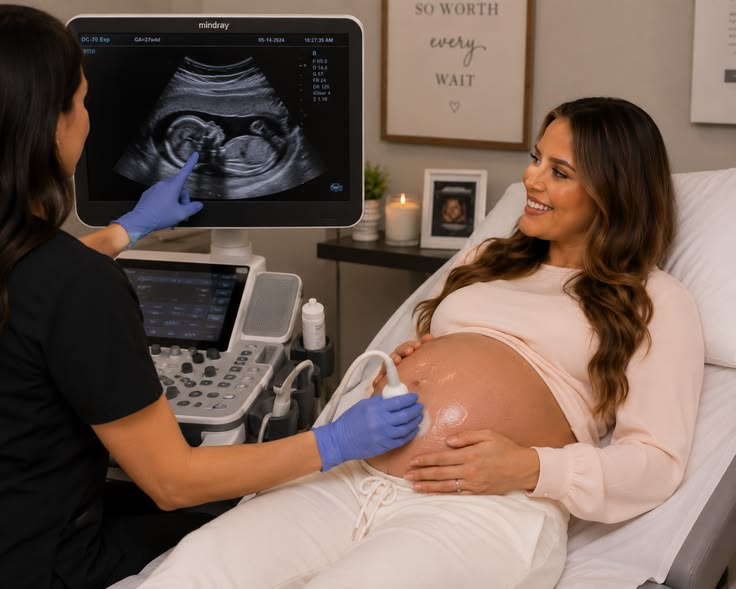
Handheld ultrasound is an ideal tool for emergency physicians, anesthesiologists, intensivists, and obstetricians performing outreach or bedside examinations who need to quickly assess fetal position, amniotic fluid, or basic fetal cardiac activity.
For professional obstetrics and gynecology clinics and hospitals, investing in advanced cart-based ultrasound systems is essential to ensure diagnostic accuracy and maintain a high standard of patient care.
Voluson S18 and S20: These systems offer the ideal balance for mid-sized private practices. Their powerful imaging technology far surpasses handheld devices, enabling physicians to perform fast and accurate 3D/4D fetal anatomical examinations with confidence.
Voluson Expert 20: For premium clinics or facilities specializing in fetal anomaly screening, this is an indispensable solution. Its powerful hardware and AI-driven imaging algorithms deliver a level of image detail that handheld devices simply cannot achieve, allowing earlier detection of congenital heart defects and fetal neurological abnormalities.
In summary, handheld ultrasound provides exceptional flexibility for mobile healthcare and point-of-care applications. However, for building a highly accurate, reliable, and advanced diagnostic platform—especially in obstetrics and gynecology—premium cart-based ultrasound systems remain the cornerstone of clinical practice.
Ultrasound is a core tool in pregnancy care, from confirming early pregnancy and monitoring fetal growth to assessing fetal anatomy, the fetal heart, and Doppler flow. Therefore, when choosing an obstetric ultrasound system, image quality...
Xem thêm
Throughout pregnancy, the moment parents see their baby’s face and movements in the womb is always one of the most precious and emotional experiences. Thanks to remarkable advances in modern medicine, 3D/4D ultrasound has become...
Xem thêm
Every time expectant parents receive an ultrasound report, they are often confronted with a long list of unfamiliar abbreviations such as BPD, FL, CRL, NT, and AFI. To support families throughout pregnancy, TD TECH has...
Xem thêm
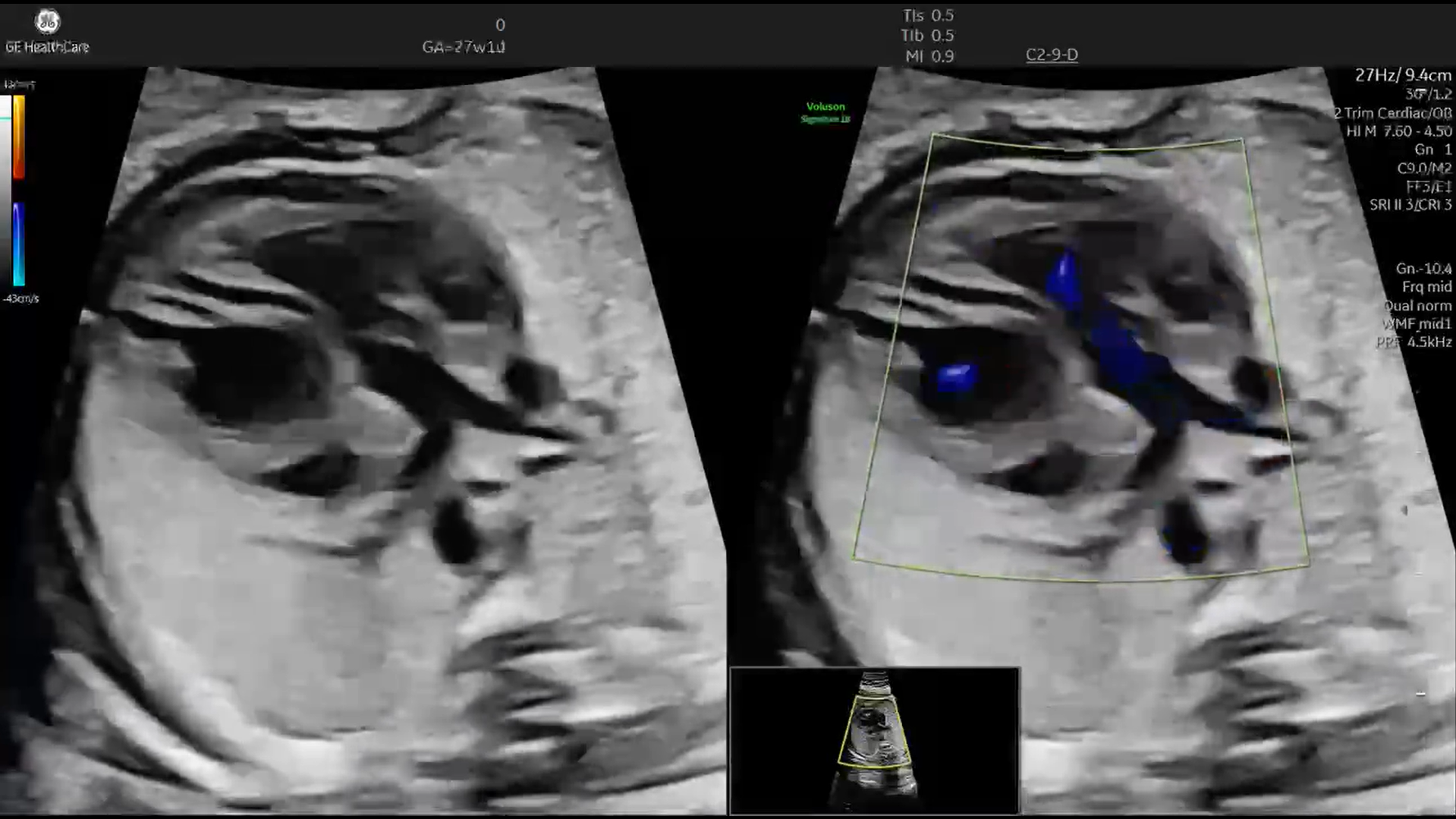
A 27-week-old fetus was referred for further evaluation after an abnormal orientation of the great arteries was detected during a routine ultrasound examination. What initially appeared to be only a subtle anatomical variation quickly...
Xem thêm
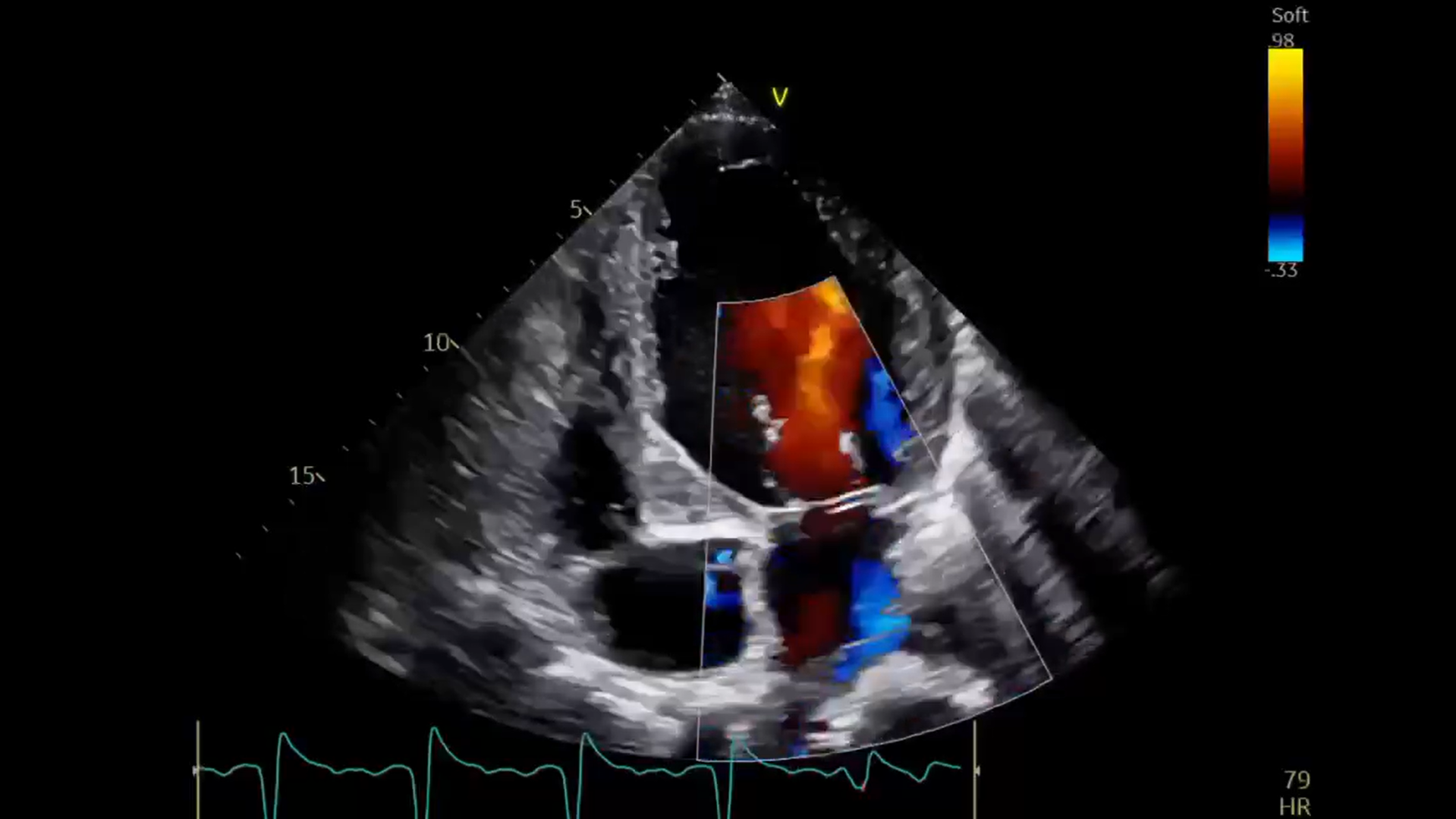
A 74-year-old patient was admitted to the hospital with symptoms of heart failure. Echocardiography performed using the Vivid system from GE HealthCare revealed dilated cardiomyopathy with severely reduced left ventricular (LV) systolic function, complicated by...
Xem thêm
With the latest cSound platform integrated, the Vivid™ cardiovascular ultrasound systems are delivering significant value in both clinical support and diagnostic imaging. This platform represents a major step forward in image quality, workflow smoothness, and day-to-day...
Xem thêm



 Xem video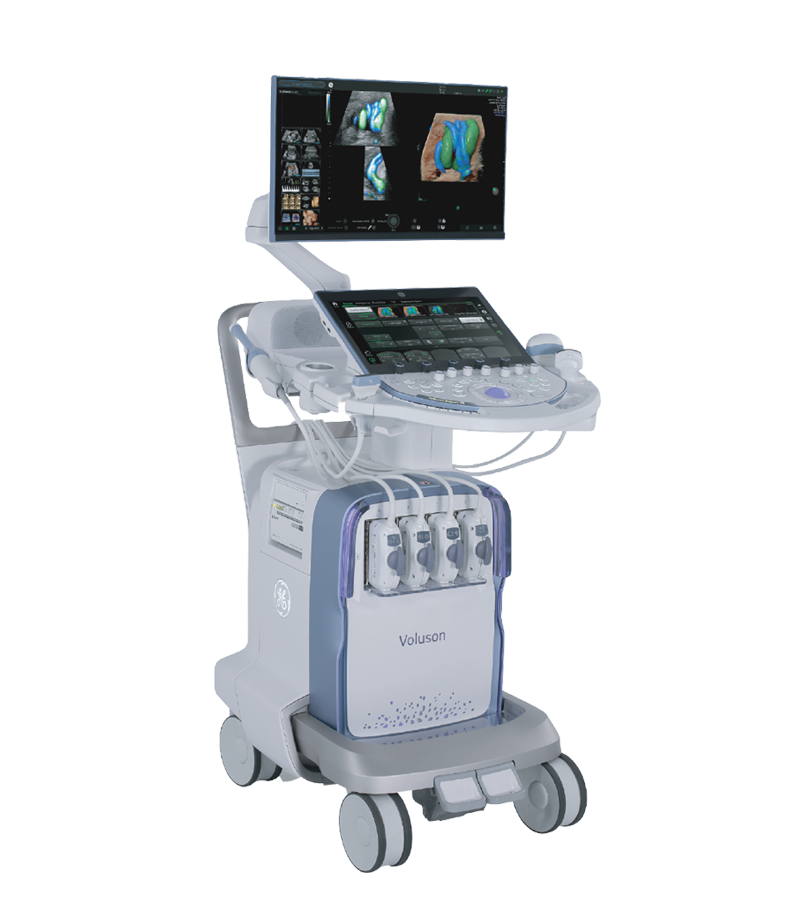


 Consult Now