 Email: tdmedical@gmail.com



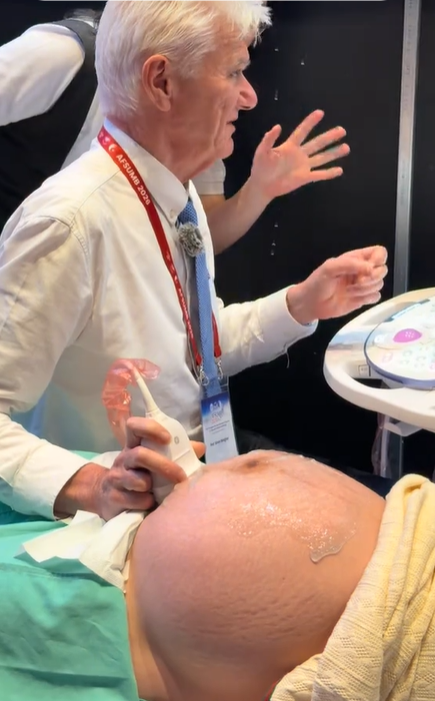
Professor Simon Meagher and Professor Ritsuko Pooh Performing Ultrasound Examinations Using the Voluson E22 System
 8.3K
8.3K
 51
51
 07-Jul-2026
 74,385

Every time expectant parents receive an ultrasound report, they are often confronted with a long list of unfamiliar abbreviations such as BPD, FL, CRL, NT, and AFI. To support families throughout pregnancy, TD TECH has compiled the “A–Z Obstetric Ultrasound Dictionary”—a comprehensive and easy-to-understand guide to today’s most commonly used obstetric ultrasound terms.
These are the most common measurements found on every prenatal ultrasound report, helping physicians monitor fetal growth and development.
These parameters help screen for congenital abnormalities and assess the fetal environment inside the uterus.
In addition to measurement parameters, ultrasound reports may also include terms describing advanced imaging technologies.
Accurate interpretation of the parameters in this “A–Z Obstetric Ultrasound Dictionary” depends not only on the expertise of the sonographer but also on the quality of the ultrasound system. Poor image quality or excessive noise can lead to inaccurate measurements and unnecessary anxiety for expectant parents.
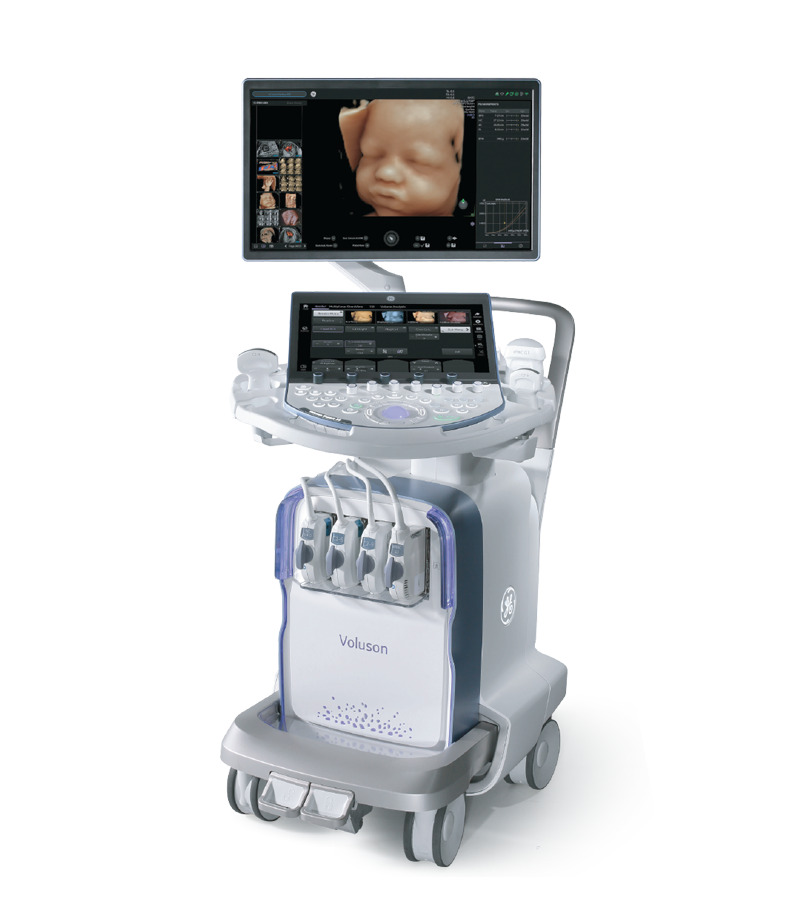
Premium ultrasound systems such as the Voluson Expert 22 and Voluson Expert 20 are equipped with intelligent SonoBiometry technology. Artificial intelligence automatically identifies the correct anatomical plane and measures key biometric parameters—including BPD, HC, AC, and FL—with a single click, reducing operator-dependent variability while shortening examination time. In addition, SonoCNS automatically aligns standard imaging planes for comprehensive fetal brain assessment.
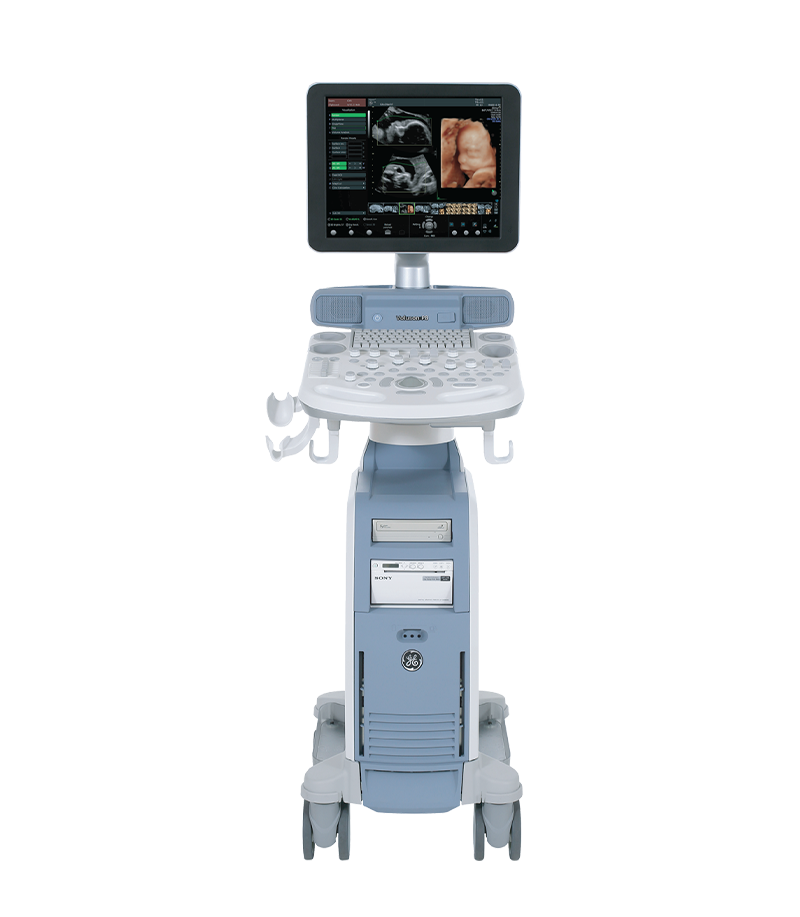
For small and medium-sized obstetric clinics, the Voluson P8 from TD TECH is an excellent choice. Featuring an intuitive user interface, high-quality 2D/3D imaging, and essential automated biometric measurement tools, it enables healthcare professionals to perform accurate and efficient ultrasound examinations.
Voluson Ultrasound System
If one of your ultrasound measurements falls outside the reference range—such as a short FL, increased NT, or low AFI—there is no need to panic. An isolated abnormal value alone is not sufficient to diagnose a fetal condition. The most important step is to consult your obstetrician for a comprehensive evaluation, combining ultrasound findings with appropriate prenatal screening tests and following the recommended schedule for repeat examinations to monitor your baby’s development throughout pregnancy.
We hope this “A–Z Obstetric Ultrasound Dictionary” helps expectant parents better understand their ultrasound reports and feel more confident throughout their pregnancy journey.
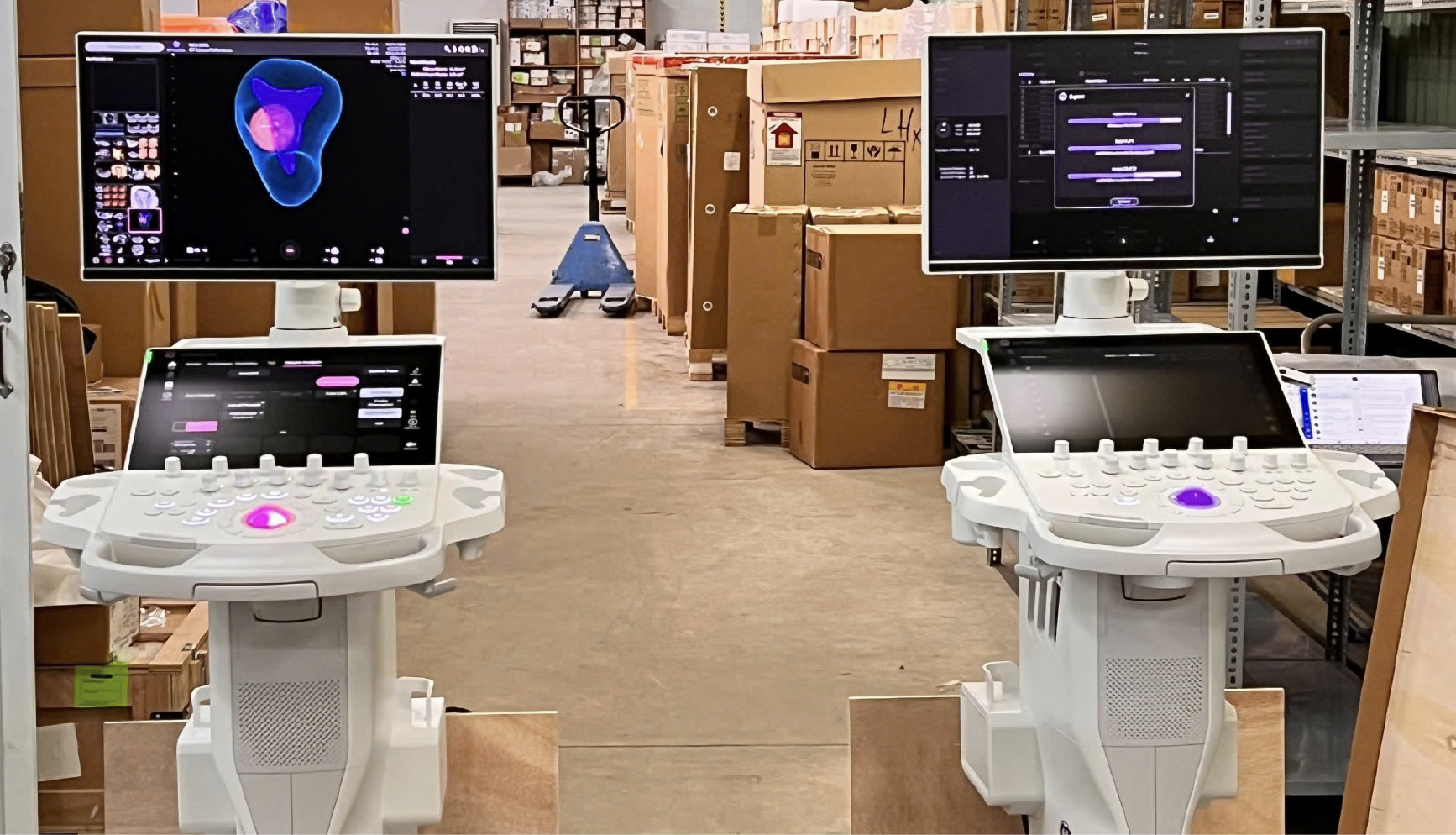
Unboxing the Voluson P16 and P18 ultrasound machines – the two latest models in the P-Series featuring modern designs, sharp imagery, and effective support for OB/GYN and multi-specialty diagnostics. Introduction In the field of diagnostic...
Xem thêm
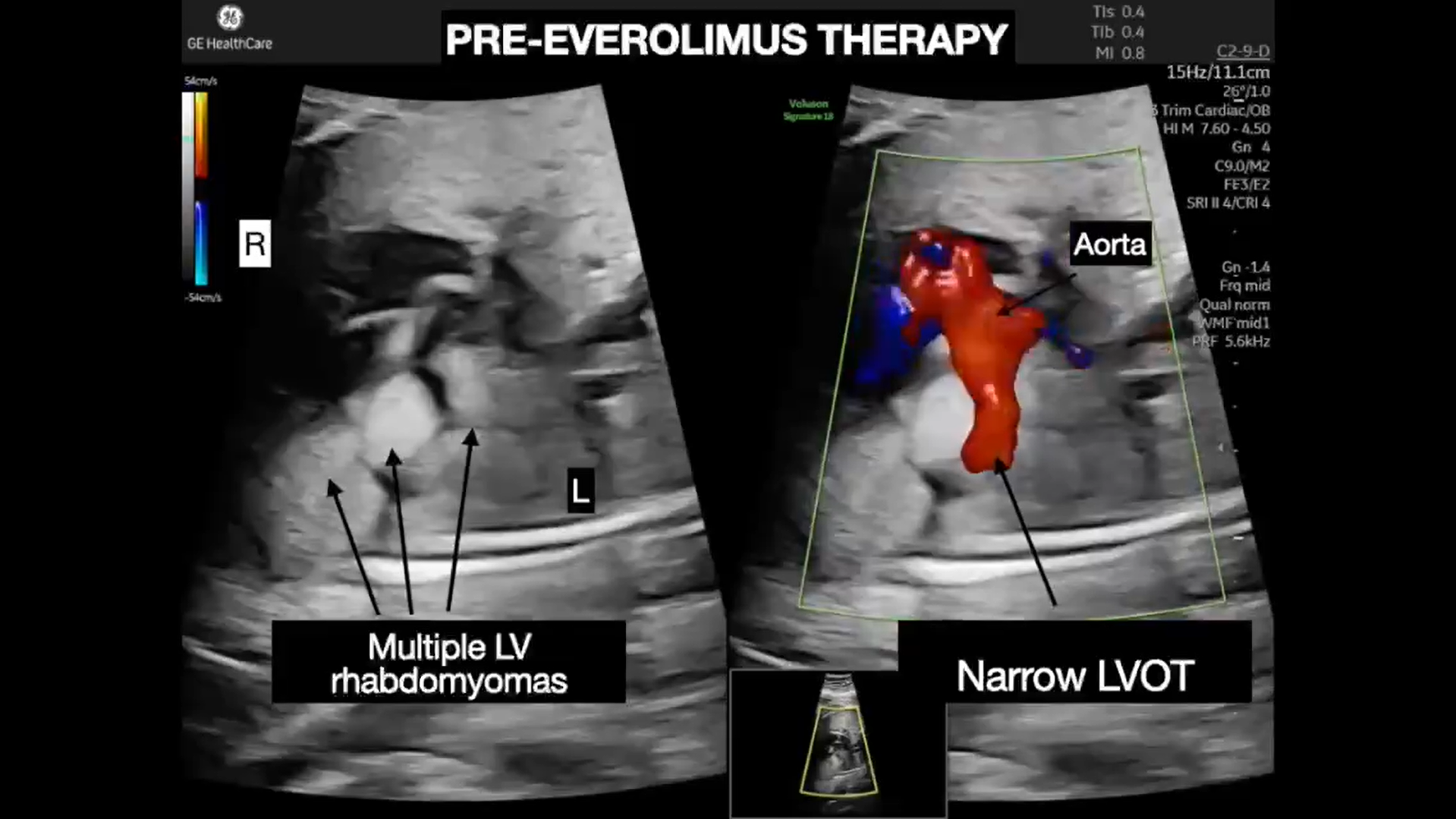
At 24 weeks of pregnancy, a routine screening ultrasound revealed multiple masses within the fetal heart. A subsequent fetal echocardiogram confirmed the presence of rhabdomyomas involving both ventricles. Although cardiac rhabdomyomas are generally benign...
Xem thêm
With the latest cSound platform integrated, the Vivid™ cardiovascular ultrasound systems are delivering significant value in both clinical support and diagnostic imaging. This platform represents a major step forward in image quality, workflow smoothness, and day-to-day...
Xem thêm
What Is Valvular Heart Disease? Common Types of Valve Disorders Valvular heart disease is a condition in which one or more of the heart valves (the mitral valve, tricuspid valve, aortic valve, or pulmonary valve)...
Xem thêm
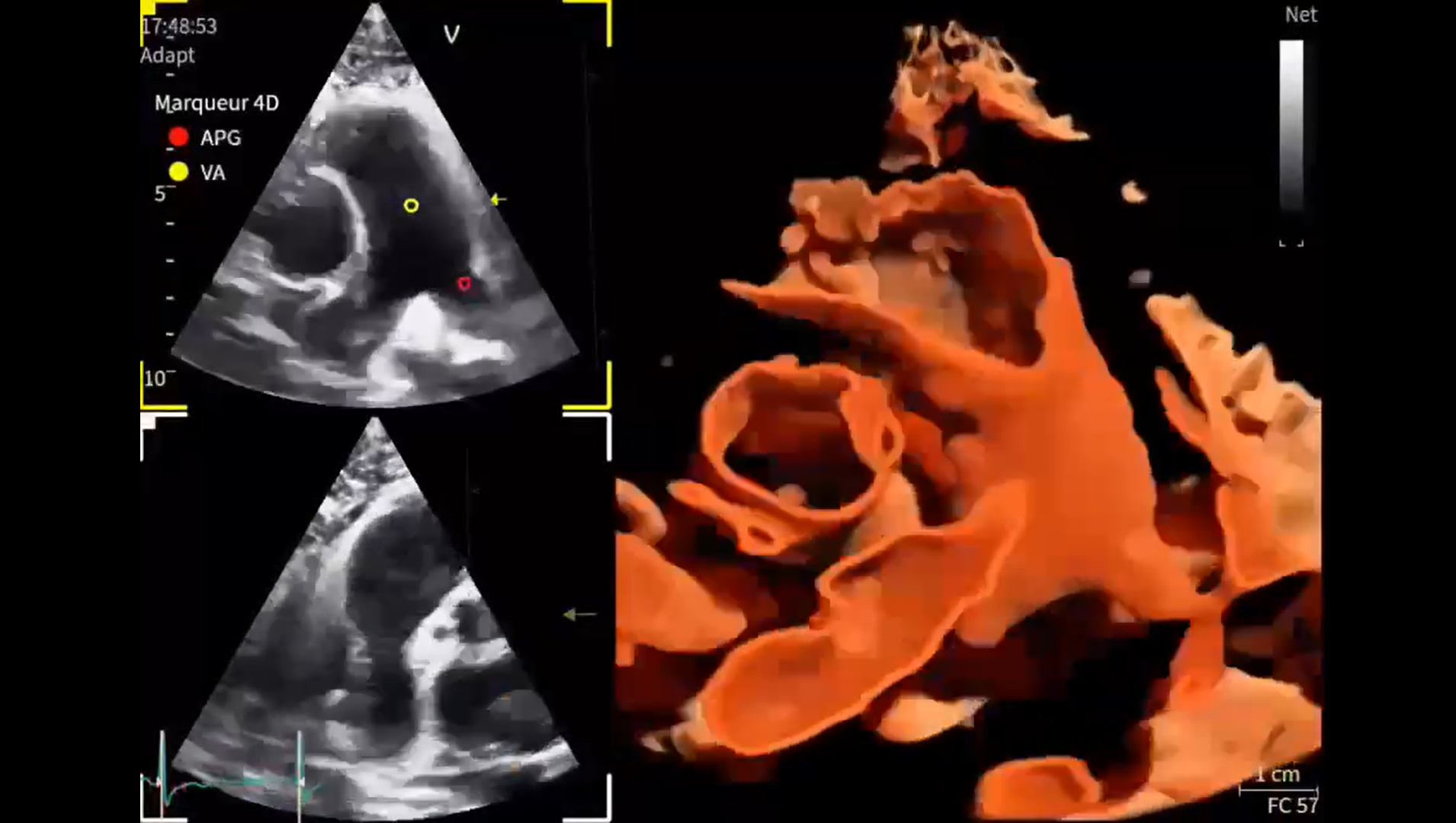
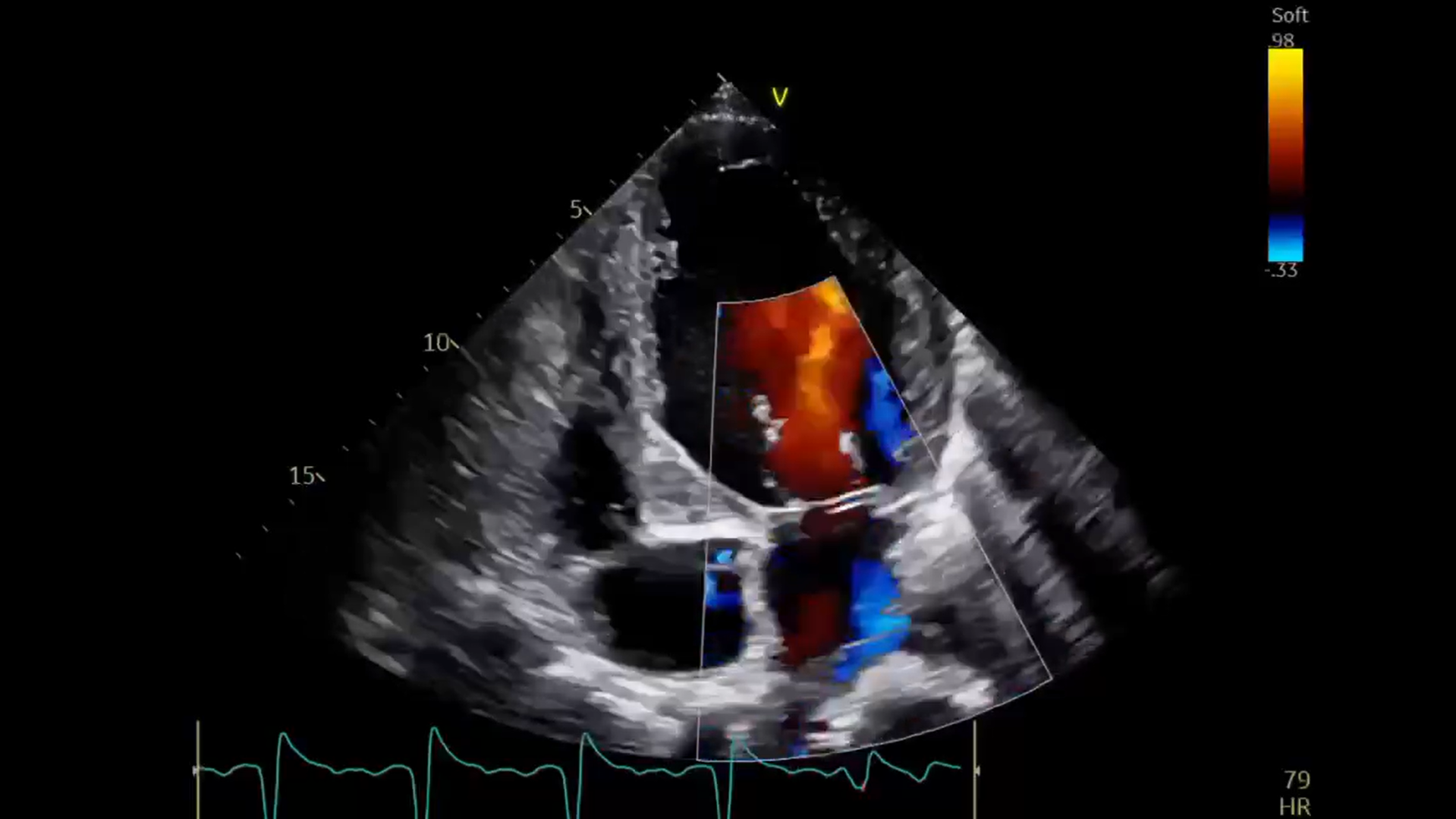
A 74-year-old patient was admitted to the hospital with symptoms of heart failure. Echocardiography performed using the Vivid system from GE HealthCare revealed dilated cardiomyopathy with severely reduced left ventricular (LV) systolic function, complicated by...
Xem thêm
The 9-month pregnancy journey is filled with a mix of emotions, from surprise and happiness to concerns about the baby’s development. If the first trimester is a time of adjustment and the second trimester brings...
Xem thêm






 Xem video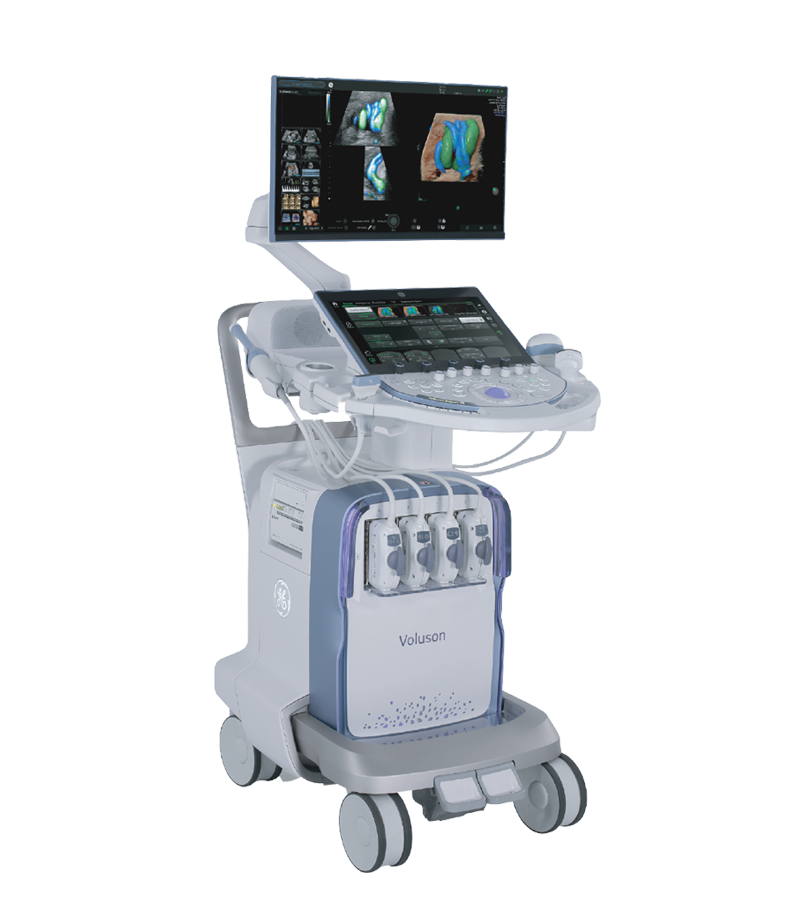




 Consult Now