 Email: tdmedical@gmail.com



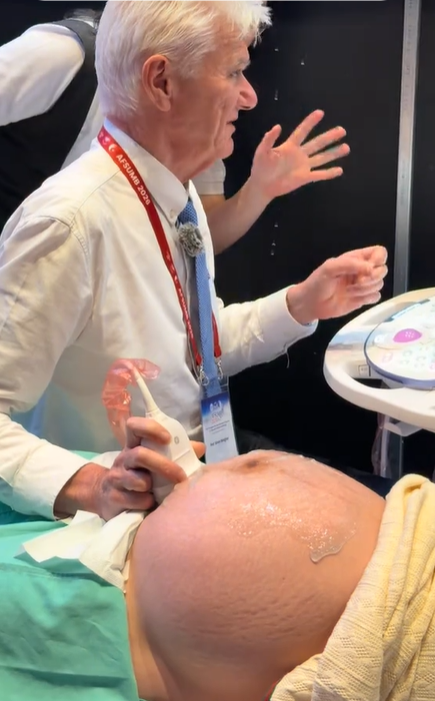
Professor Simon Meagher and Professor Ritsuko Pooh Performing Ultrasound Examinations Using the Voluson E22 System
 8.3K
8.3K
 51
51
 29-Aug-2026
 82,650
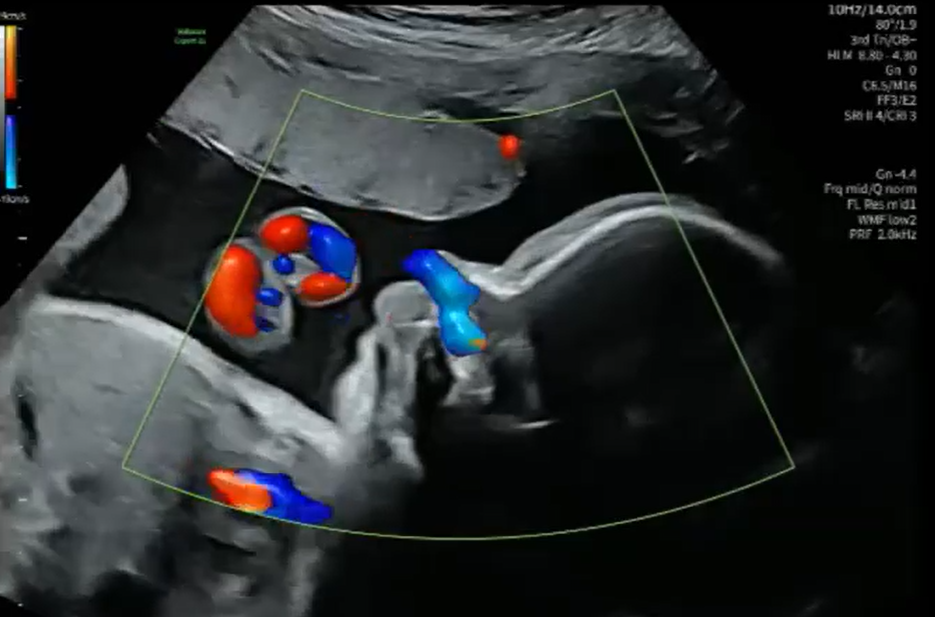
At 28 weeks of gestation, color Doppler captured a remarkable image that we rarely pause to appreciate: amniotic fluid moving through the fetal nostrils during fetal breathing movements.
Of course, this process does not involve air. These rhythmic breathing movements create pressure changes that cause amniotic fluid to move through the fetal upper and lower airways.
These movements consist of rhythmic, intermittent contractions of the fetal diaphragm and other respiratory muscles, helping prepare the fetal respiratory system for life after birth. Occasionally, abnormalities in these movements may also prompt closer evaluation of the fetus’s underlying physiology.
Color Doppler beautifully visualizes this physiological process in real time.
During an ultrasound examination, we often spend most of our time assessing anatomical structures. Moments like this are a wonderful reminder that we can also observe fetal physiological activity—not just anatomy.
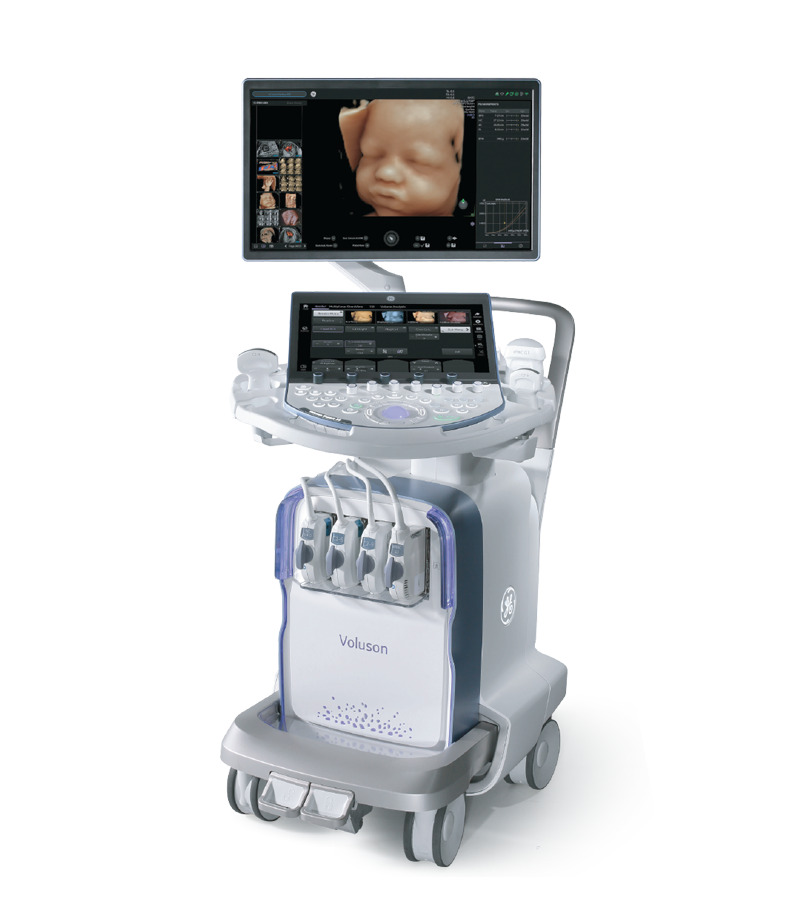
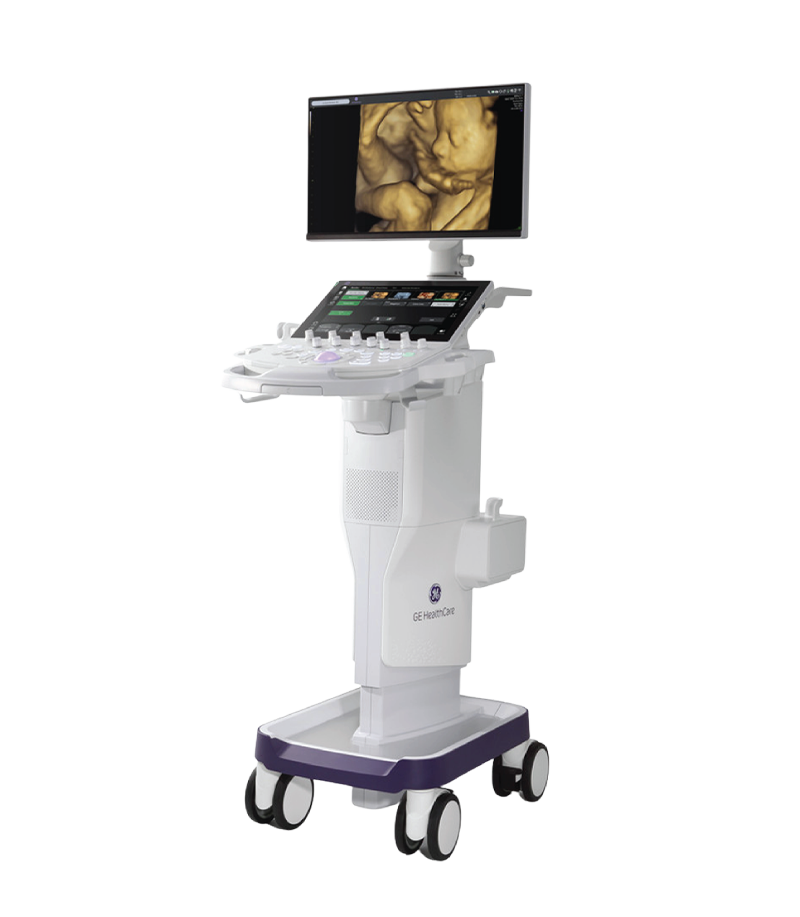
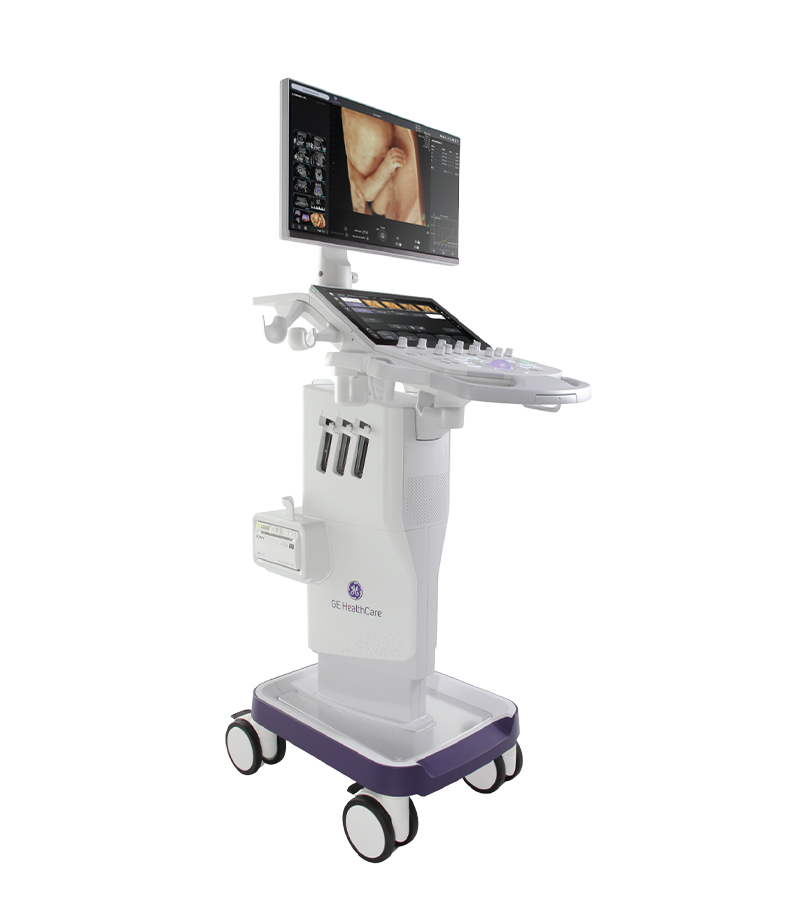
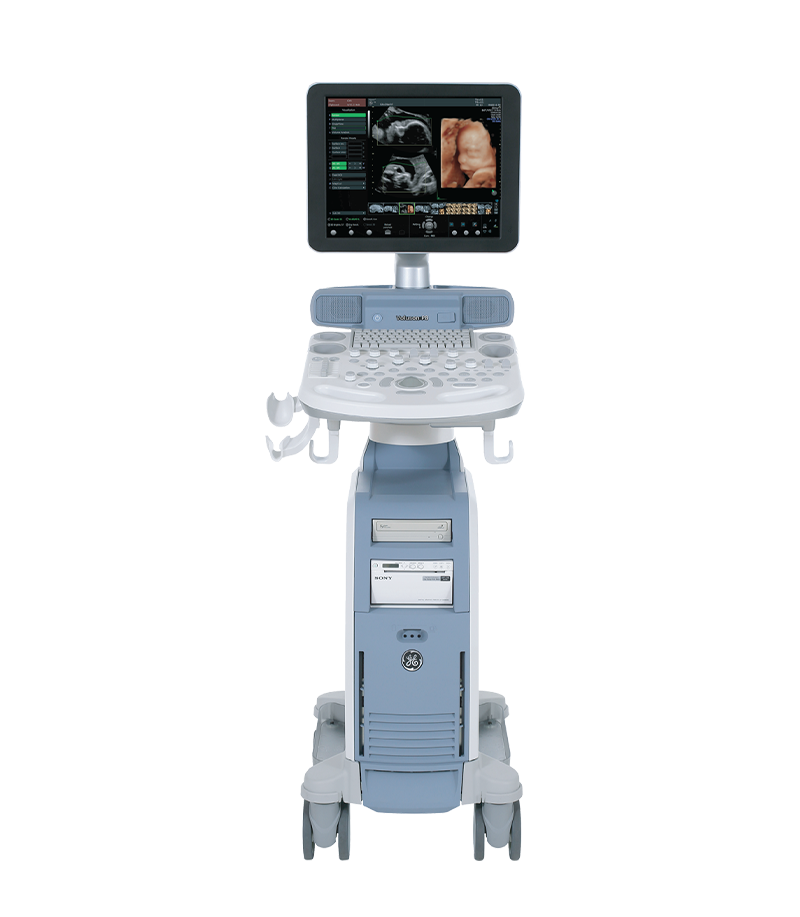
This remarkably clear and beautiful 3D color Doppler image was acquired using a Voluson ultrasound system. Today, 3D color Doppler technology is also available on more accessible systems such as the Voluson Performance 16.
This reflects Voluson’s continued commitment to delivering advanced imaging quality and technology to support accurate diagnosis at an affordable cost.
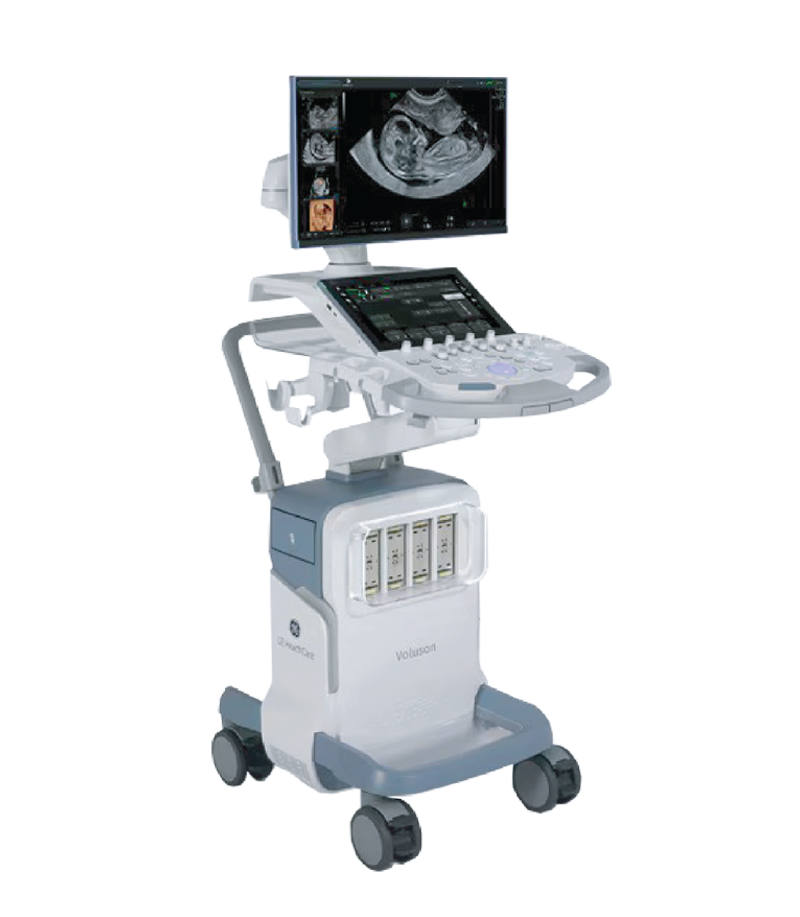
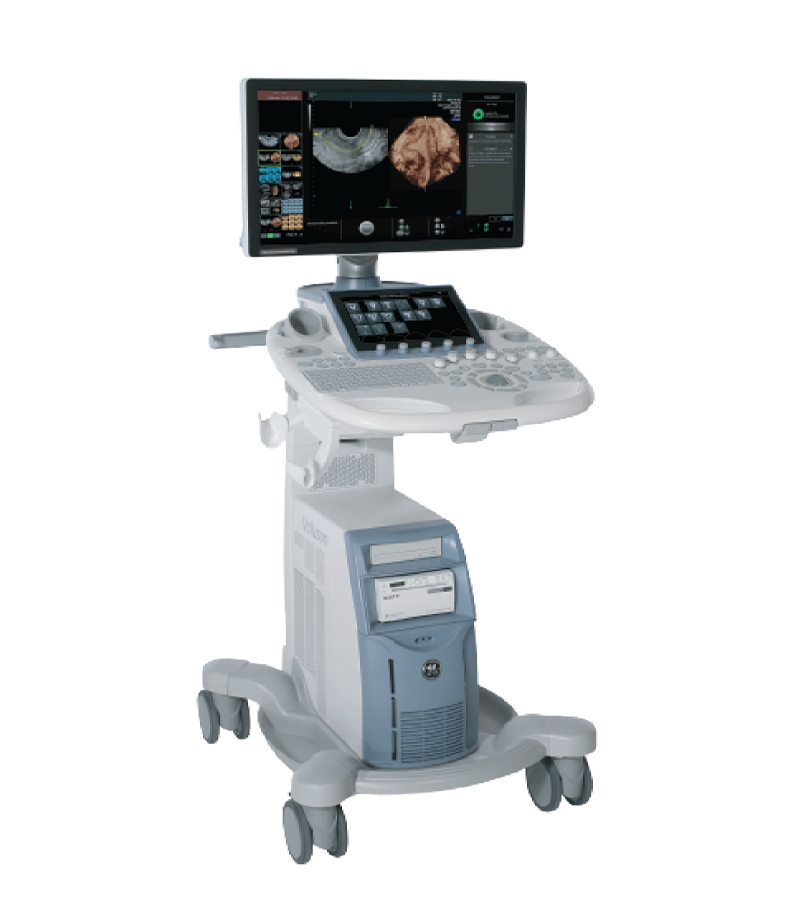
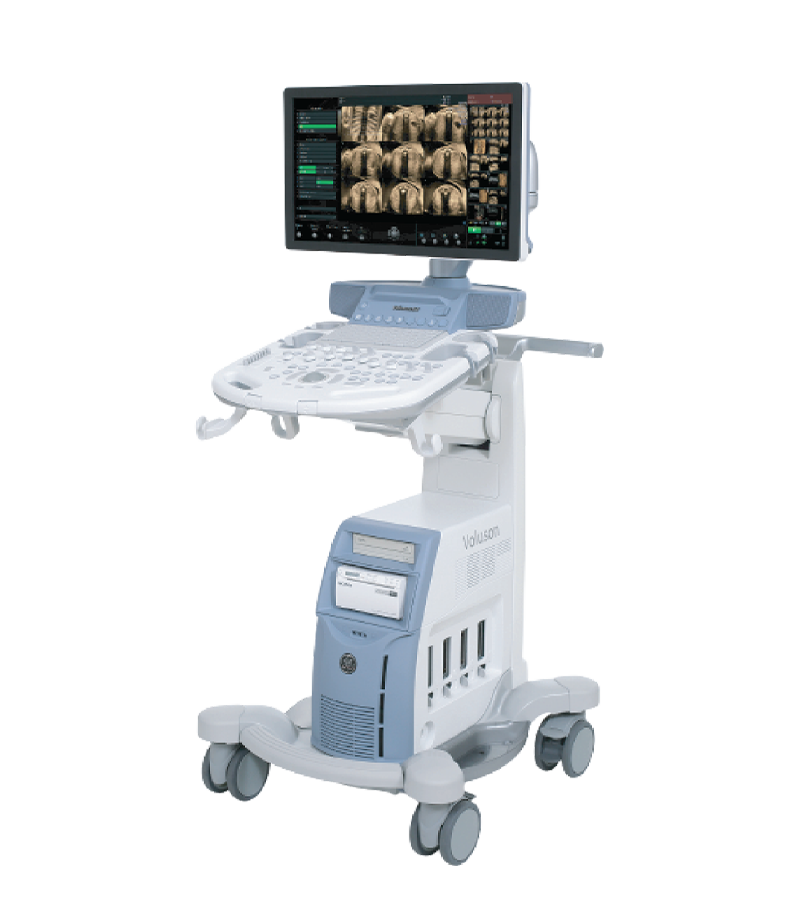
Voluson Ultrasound System
Video source: Dr. Kim Ngu
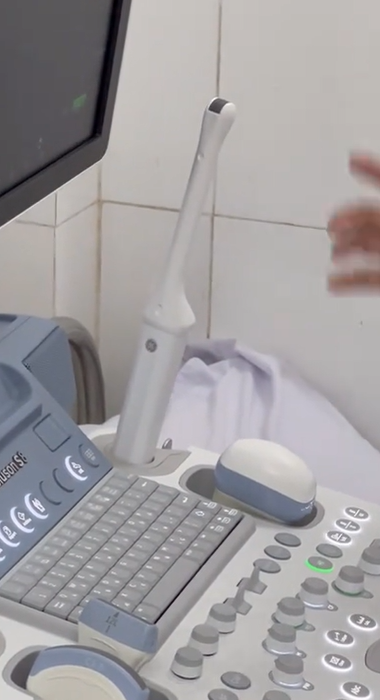
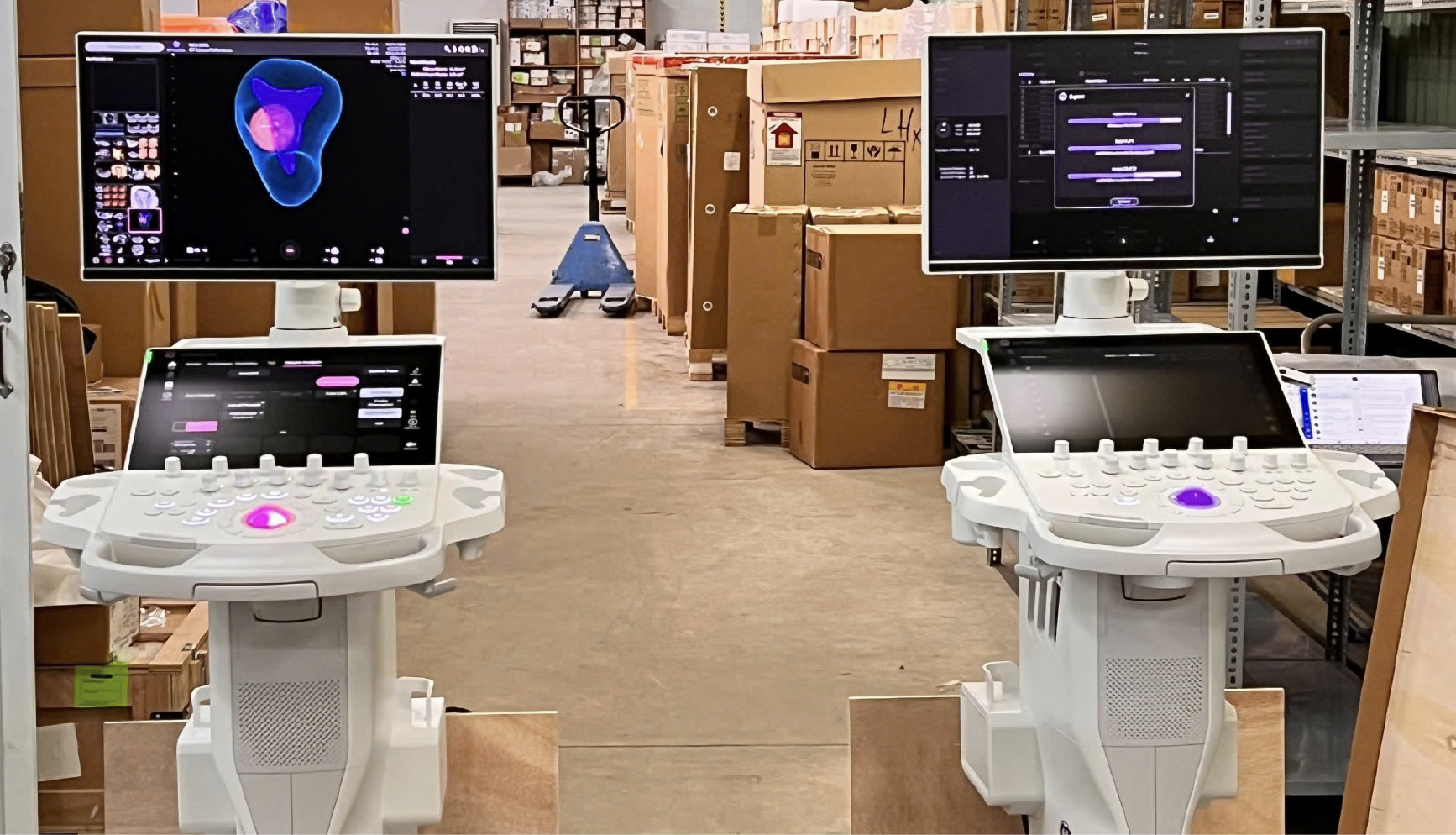
Unboxing the Voluson P16 and P18 ultrasound machines – the two latest models in the P-Series featuring modern designs, sharp imagery, and effective support for OB/GYN and multi-specialty diagnostics. Introduction In the field of diagnostic...
Xem thêm
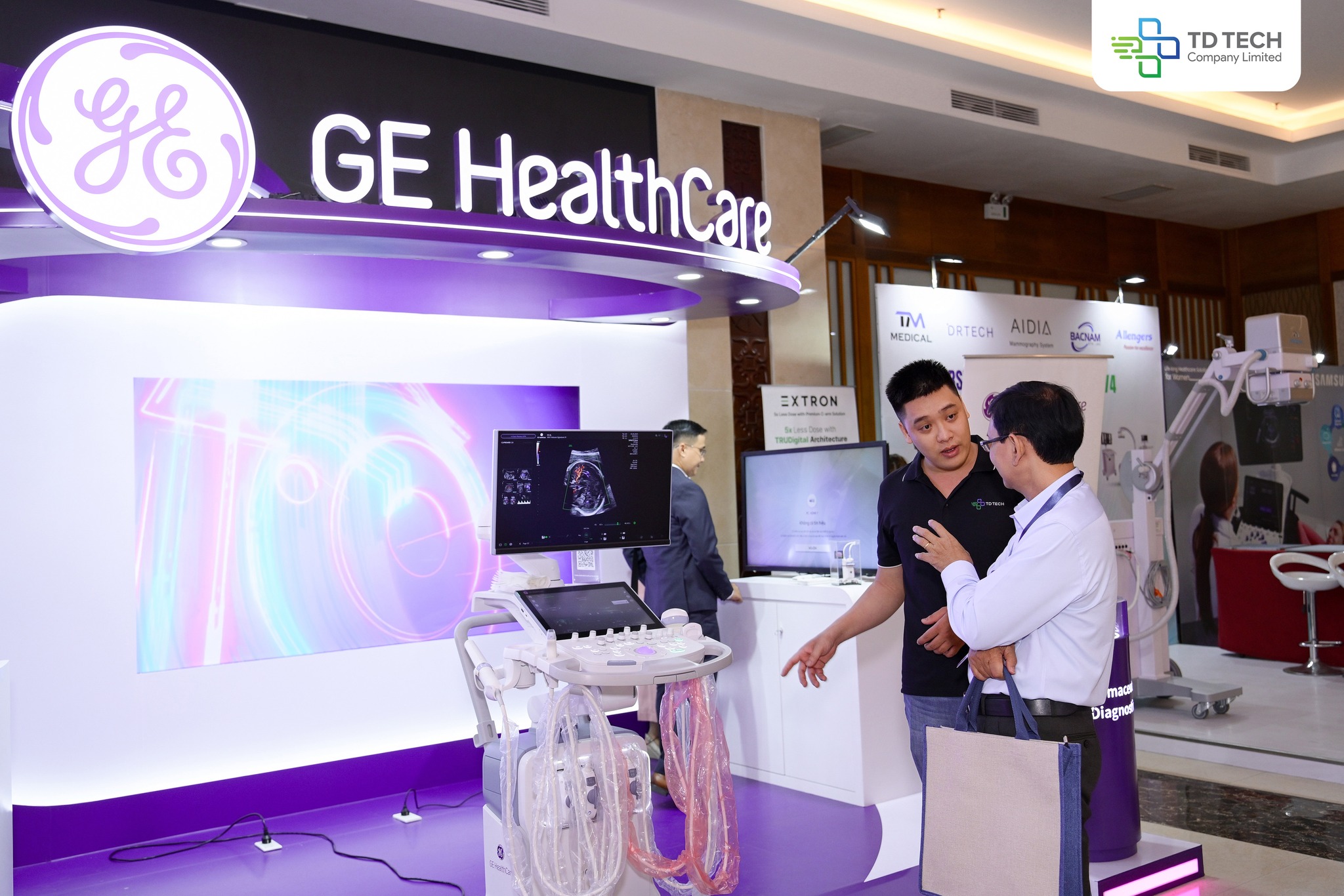
The 13th Expanded Ho Chi Minh City Scientific Conference on Diagnostic Imaging – 2026 was successfully held in Buon Ma Thuot, bringing together a large number of experts, physicians, and radiologic technologists from across the...
Xem thêm
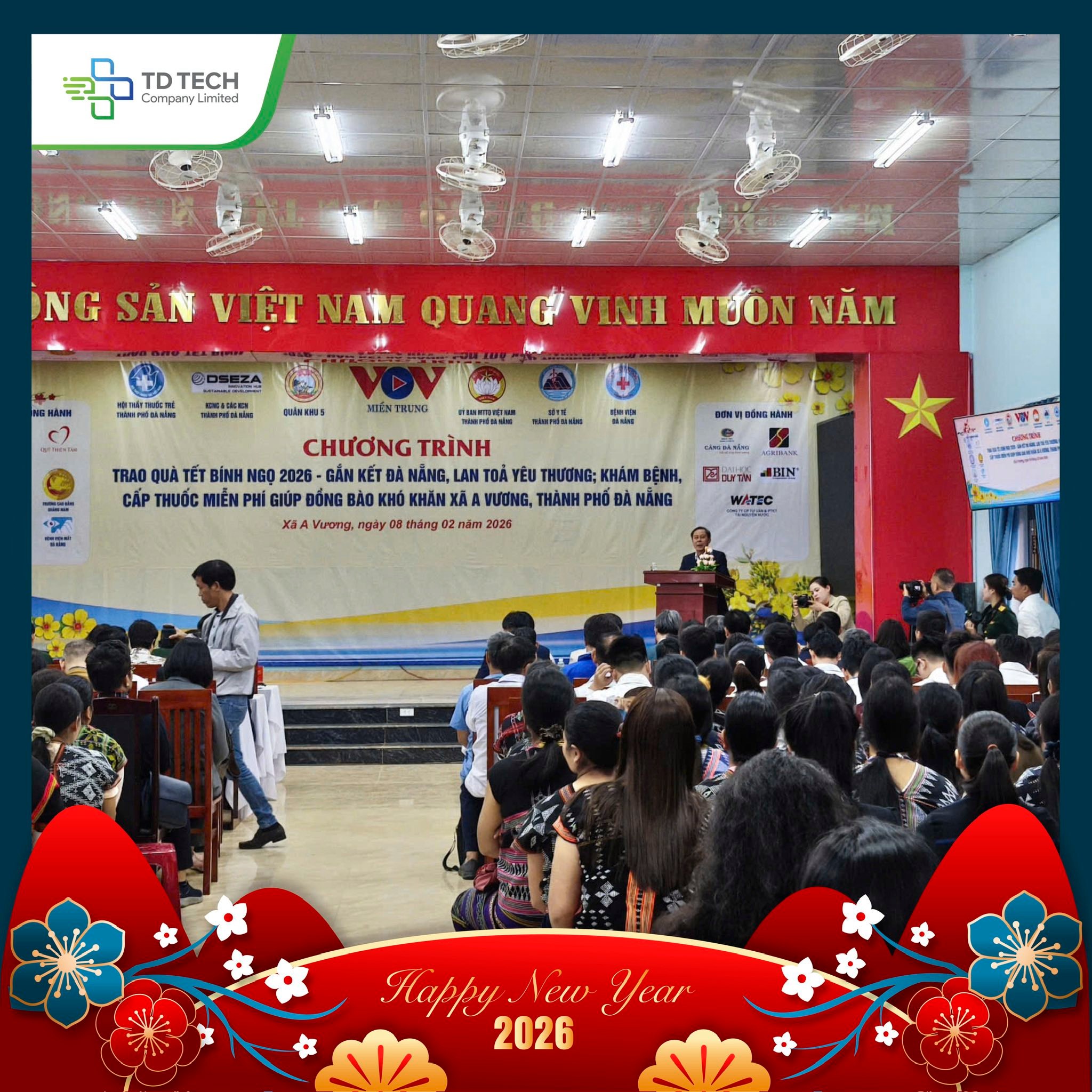
On February 8, 2026, in A Vuong Commune, the charitable program “Tet Gifts for Binh Ngo 2026 – Connecting Da Nang, Spreading Love” was organized through the collaboration of Da Nang City authorities, healthcare institutions,...
Xem thêm
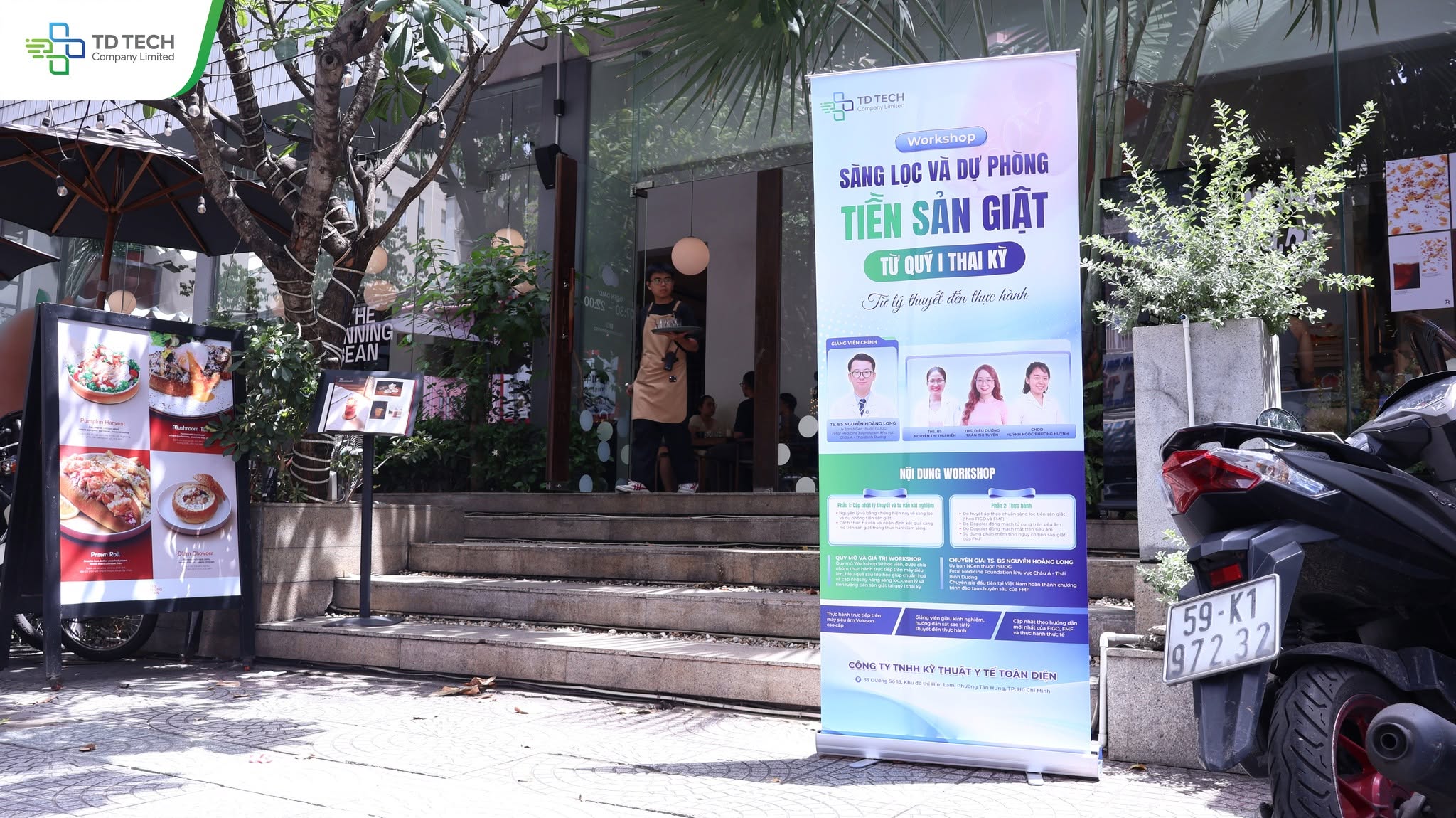
The workshop “First-Trimester Preeclampsia Screening and Prevention – From Theory to Clinical Practice” has successfully concluded, delivering practical scientific content that combined the latest evidence, clinical consultation, and hands-on training. Under the guidance of Dr....
Xem thêm
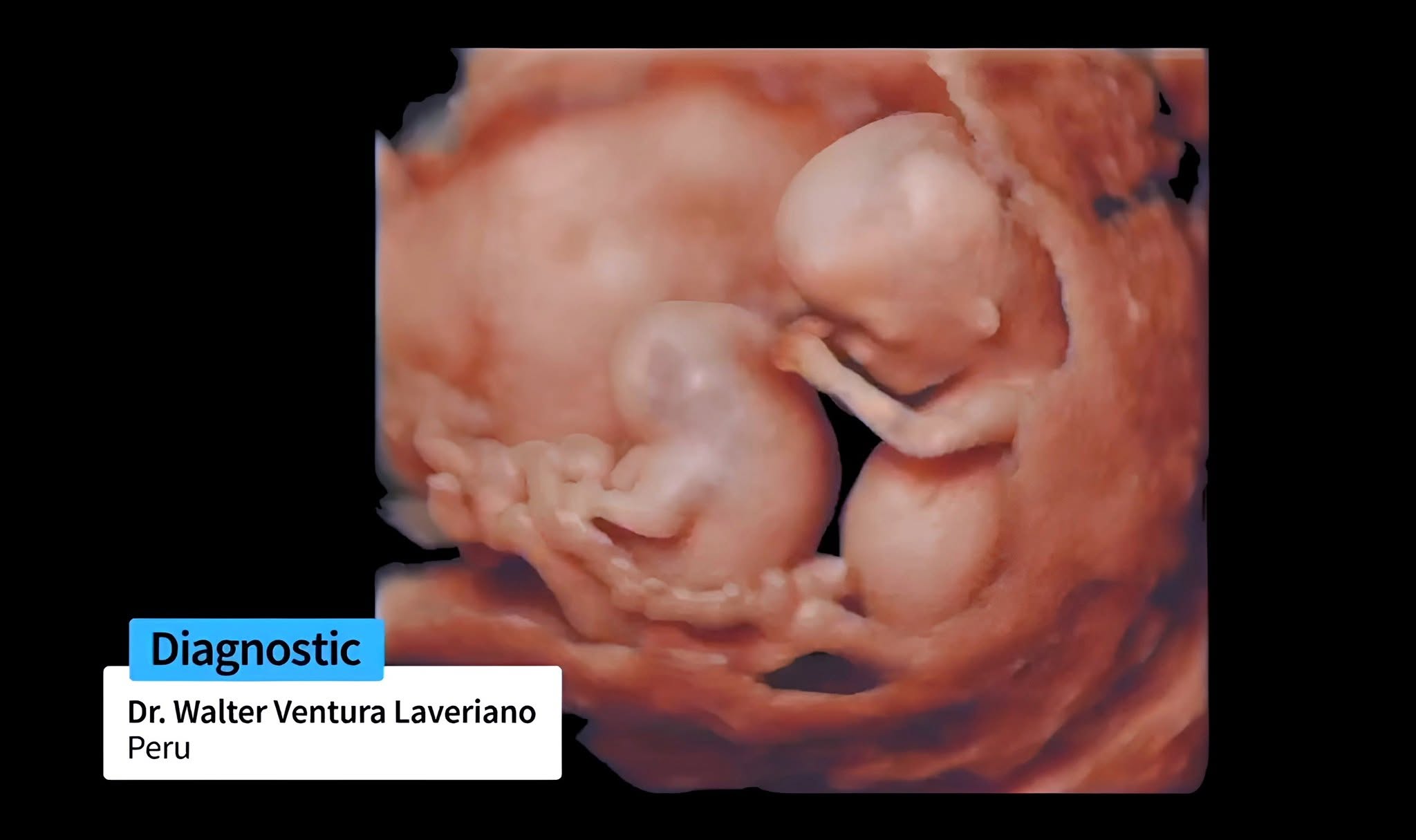
In diagnostic imaging, some moments go far beyond their clinical value—they leave a lasting impression and inspire reflection. A remarkable ultrasound image is not simply one that looks visually striking; it represents the perfect combination...
Xem thêm
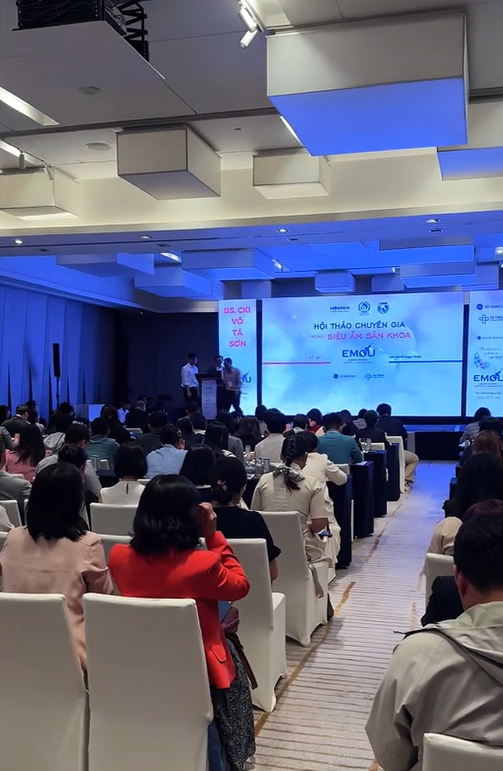
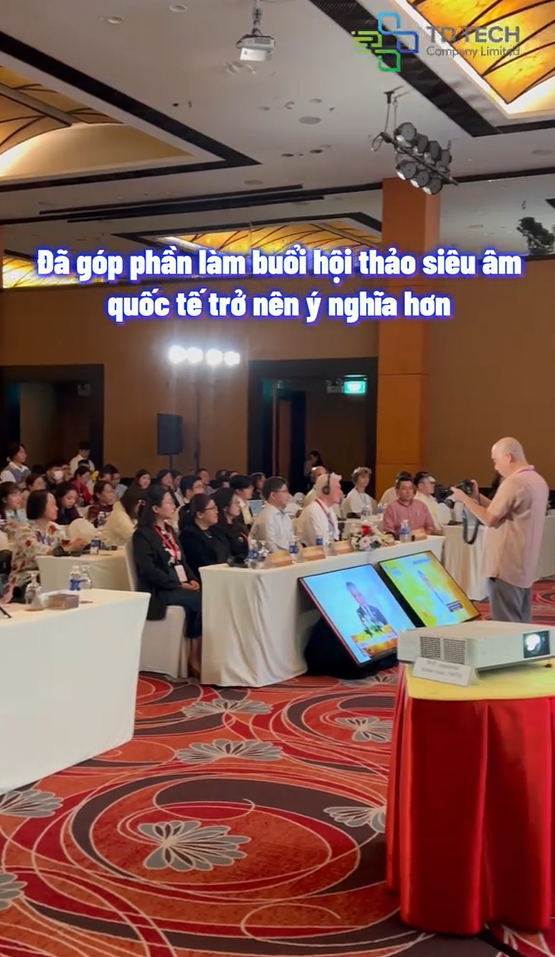
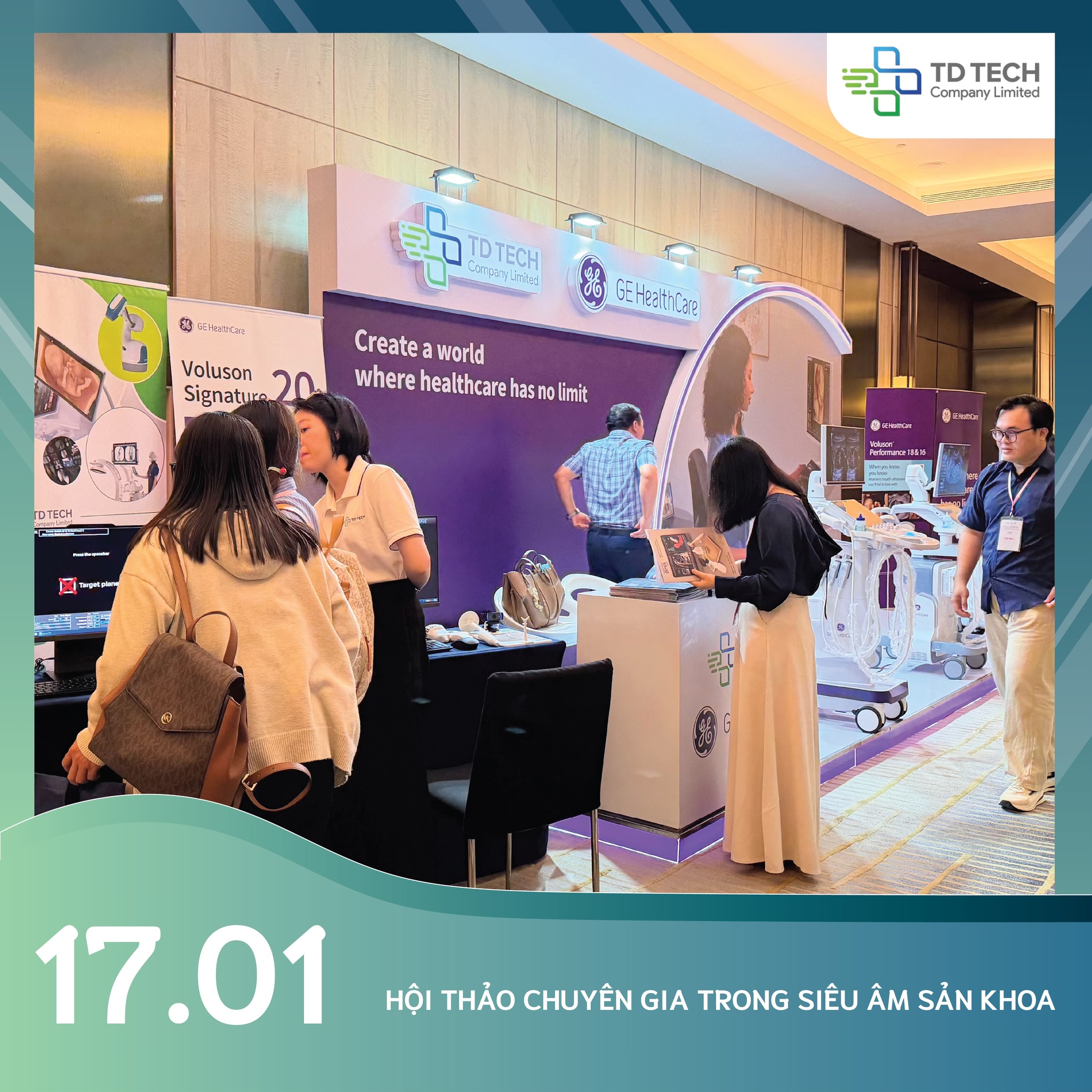
Comprehensive Medical Engineering Co., Ltd. was honored to serve as a Gold Sponsor of the Experts Meeting in Obstetric Ultrasonography (EM), held at the New World Saigon Hotel (Ho Chi Minh City) on January 17,...
Xem thêm
 Xem video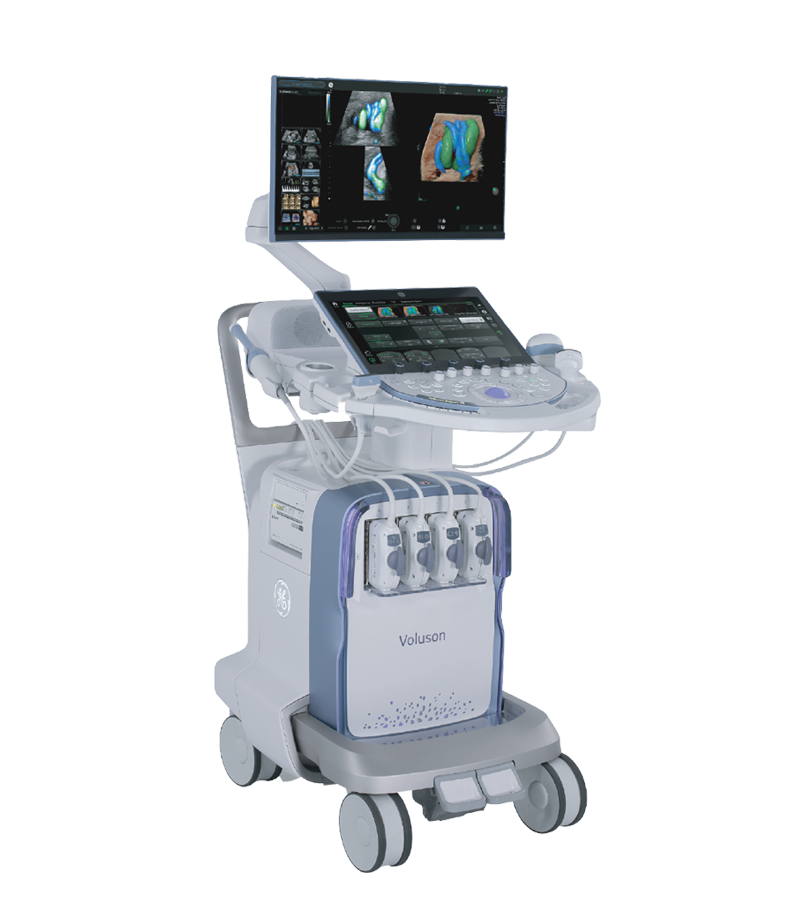


 Consult Now