 Email: tdmedical@gmail.com




Cardiology Symposium at City Children’s Hospital
 9.7K
9.7K
 51
51
 03-Aug-2026
 99,180

Valvular heart disease is a condition in which one or more of the heart valves (the mitral valve, tricuspid valve, aortic valve, or pulmonary valve) become damaged, disrupting the normal flow of blood through the heart. It is one of the most common cardiovascular diseases, particularly among older adults and individuals with a history of rheumatic fever, hypertension, or other heart conditions.
The most common types of heart valve disorders include:
The most common types of valvular heart disease seen in clinical practice include:
In the early stages, many people experience few or no symptoms because the heart is still able to compensate for the impaired valve function. Most patients are diagnosed during routine health checkups or through echocardiography.
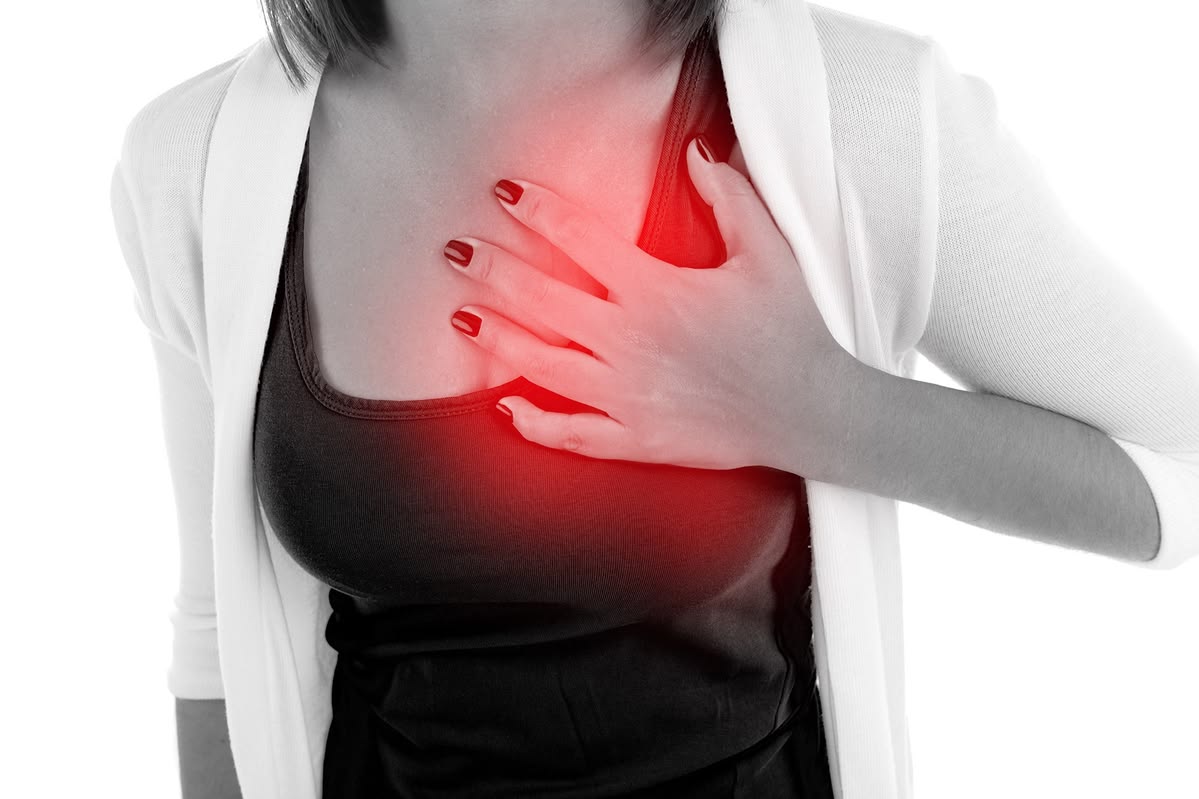
As the disease progresses, patients may experience:
If these symptoms occur frequently or become progressively worse, patients should seek evaluation at a cardiovascular specialty clinic as soon as possible.
Cardiologists agree that valvular heart disease is a serious condition if left undiagnosed or untreated. In the early stages, the heart can compensate by increasing its workload to maintain adequate blood circulation, so patients may notice few or no symptoms. However, prolonged valve stenosis or regurgitation gradually weakens the heart and can lead to severe complications.
The heart must pump harder over time to compensate for blood leakage or restricted blood flow. This causes the heart chambers to enlarge, weakens the heart muscle, and may eventually result in heart failure.
Patients with mitral valve disease are particularly prone to left atrial enlargement, increasing the risk of atrial fibrillation. Blood can pool within the enlarged atrium, forming blood clots that may travel to the brain and cause a stroke.
Elevated pressure in the pulmonary circulation can lead to shortness of breath, reduced exercise capacity, and eventually right-sided heart failure if left untreated.
Damaged heart valves provide an ideal surface for bacteria to attach and multiply, leading to infective endocarditis that can rapidly destroy valve tissue without prompt treatment.
Not every patient with valvular heart disease requires surgery. The decision to repair or replace a heart valve depends on the severity of valve damage, clinical symptoms, and overall heart function.
Surgical intervention is generally recommended in the following situations:
Today, in addition to conventional open-heart valve replacement, selected patients may undergo valve repair or Transcatheter Aortic Valve Implantation (TAVI), a minimally invasive procedure that shortens recovery time.
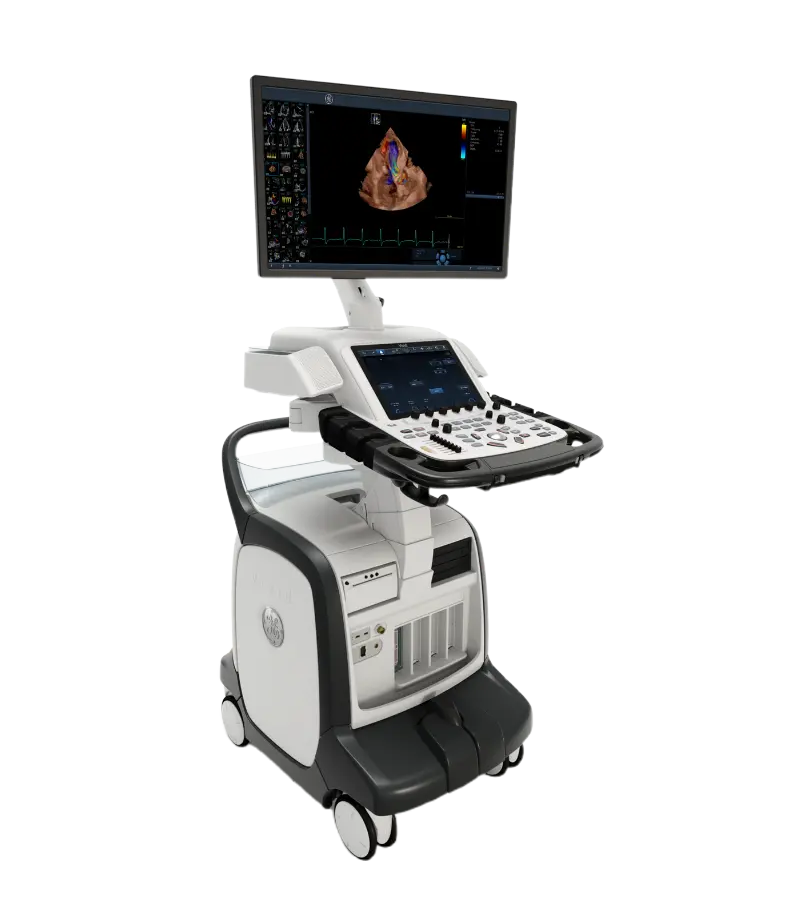
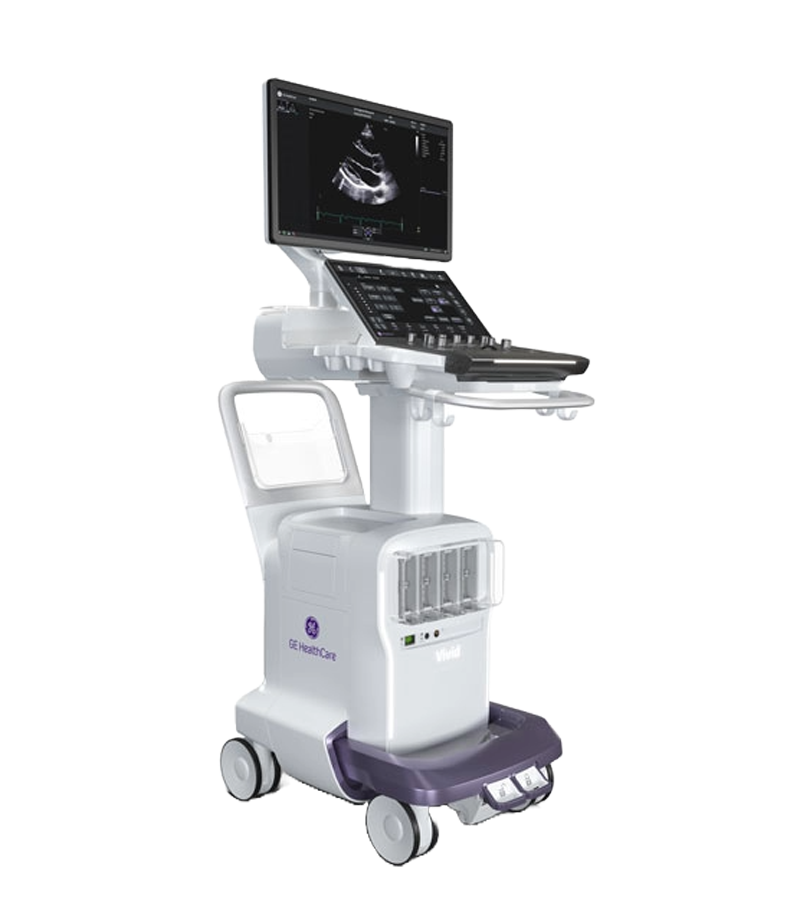
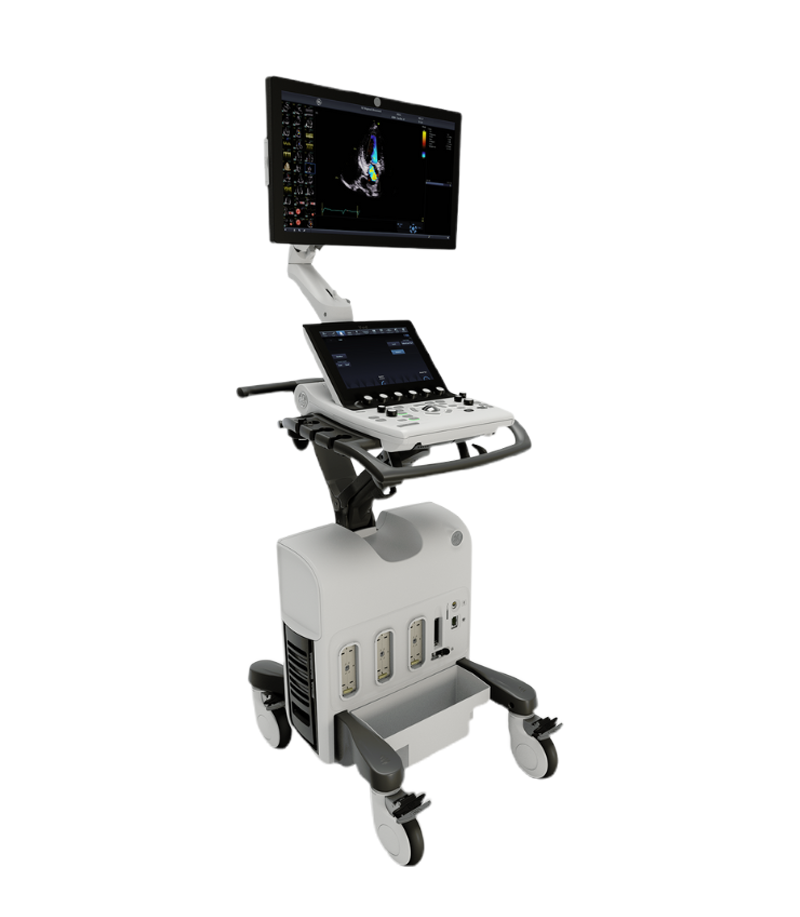
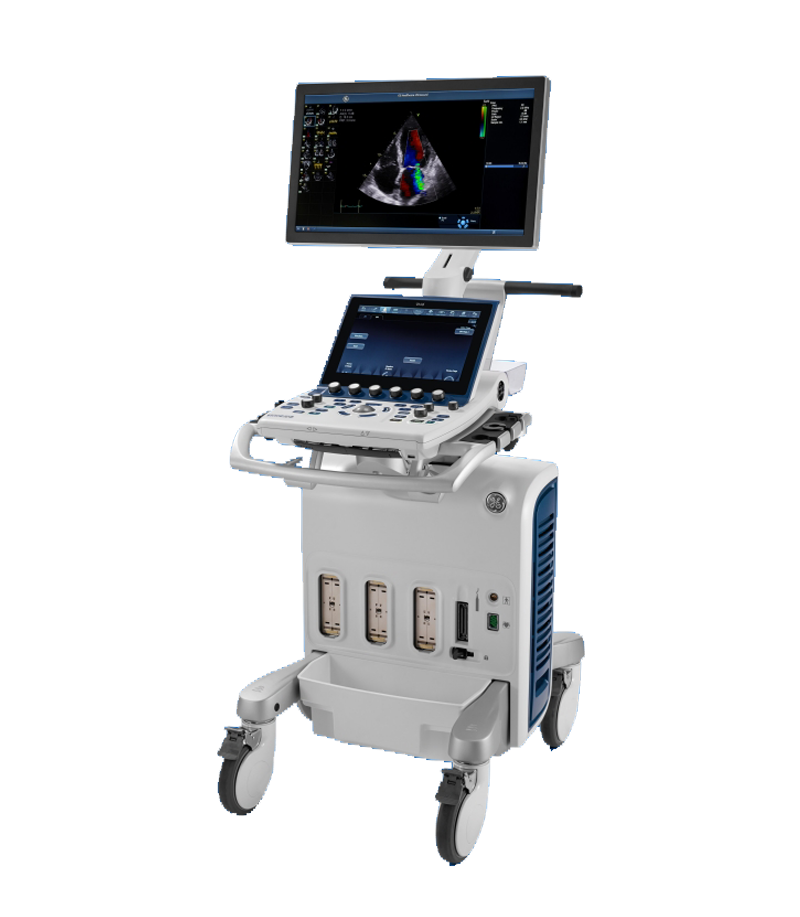
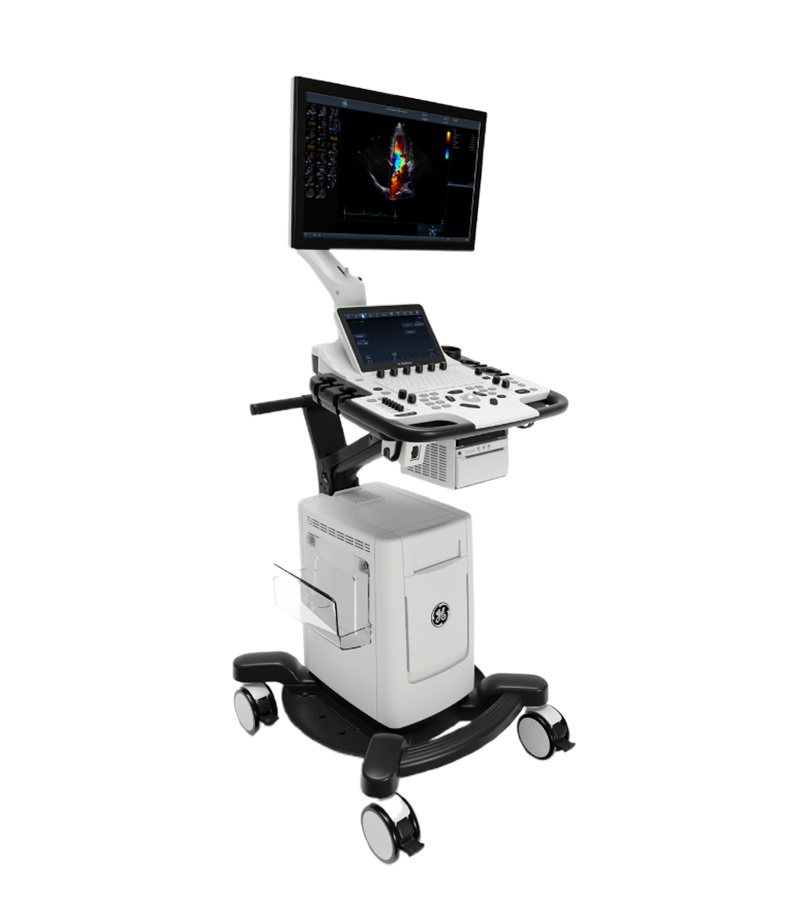
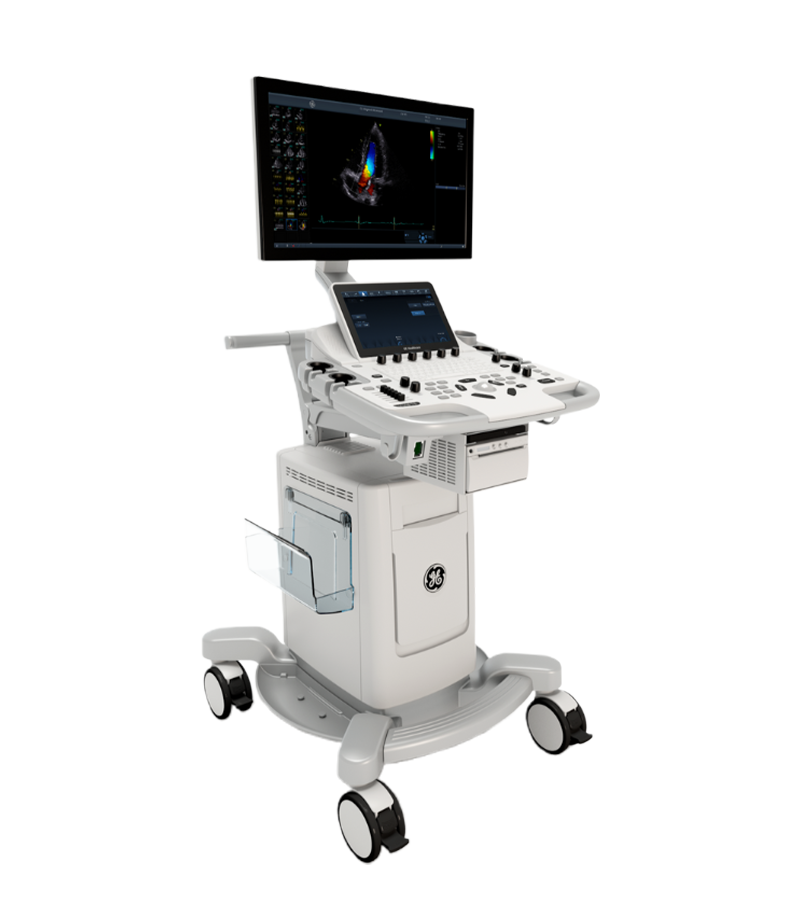
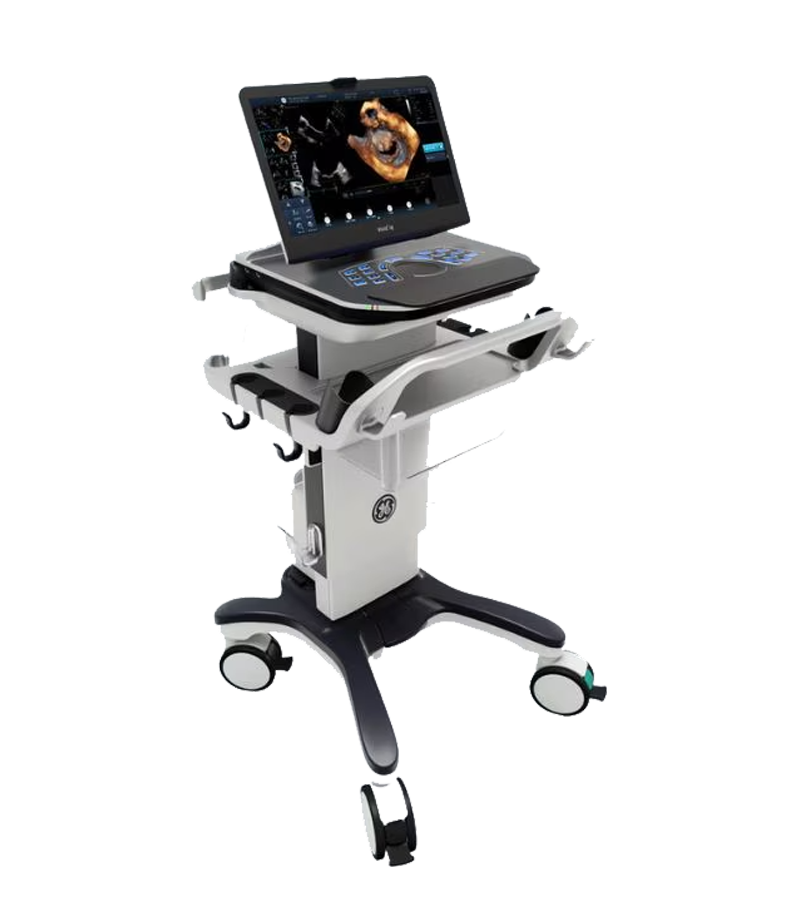
To determine the optimal timing for heart valve surgery, a detailed evaluation of valve anatomy, leaflet motion, and blood flow across the valve is essential. Doppler echocardiography (Vivid) remains the cornerstone imaging modality for comprehensive assessment and surgical planning.
Vivid Echocardiography System
Although not every case can be prevented, the risk of developing valvular heart disease can be significantly reduced by:
Valvular heart disease can be effectively managed when detected early. Regular cardiovascular checkups combined with echocardiography using advanced imaging systems play a vital role in protecting heart health, enabling physicians to accurately evaluate valve function and determine the most appropriate timing for medical treatment or surgical intervention.
What Is 2D Ultrasound? 2D ultrasound is a technique that produces real-time, two-dimensional cross-sectional images of structures inside the body. The transducer emits ultrasound waves into the body and receives reflected signals from tissues. The...
Xem thêm
The emergence of diagnostic support software for Doppler ultrasound integrated with artificial intelligence (AI) has marked a major breakthrough, helping automate measurements, improve accuracy, and optimize workflow efficiency for physicians. What Is Doppler Ultrasound and...
Xem thêm
A 27-week-old fetus was referred for further evaluation after an abnormal orientation of the great arteries was detected during a routine ultrasound examination. What initially appeared to be only a subtle anatomical variation quickly...
Xem thêm
What Is Twin-to-Twin Transfusion Syndrome? Twin-to-Twin Transfusion Syndrome (TTTS) is a serious complication that can occur in monochorionic twin pregnancies, in which vascular anastomoses within the shared placenta lead to an imbalanced exchange of blood...
Xem thêm
Unboxing the Voluson P16 and P18 ultrasound machines – the two latest models in the P-Series featuring modern designs, sharp imagery, and effective support for OB/GYN and multi-specialty diagnostics. Introduction In the field of diagnostic...
Xem thêm
During a transthoracic echocardiography (TTE) examination performed on a 21-year-old patient using a Vivid cardiovascular ultrasound system from GE HealthCare, an extracardiac mass in contact with the pericardium was identified. Further investigations subsequently led to...
Xem thêm



 Xem video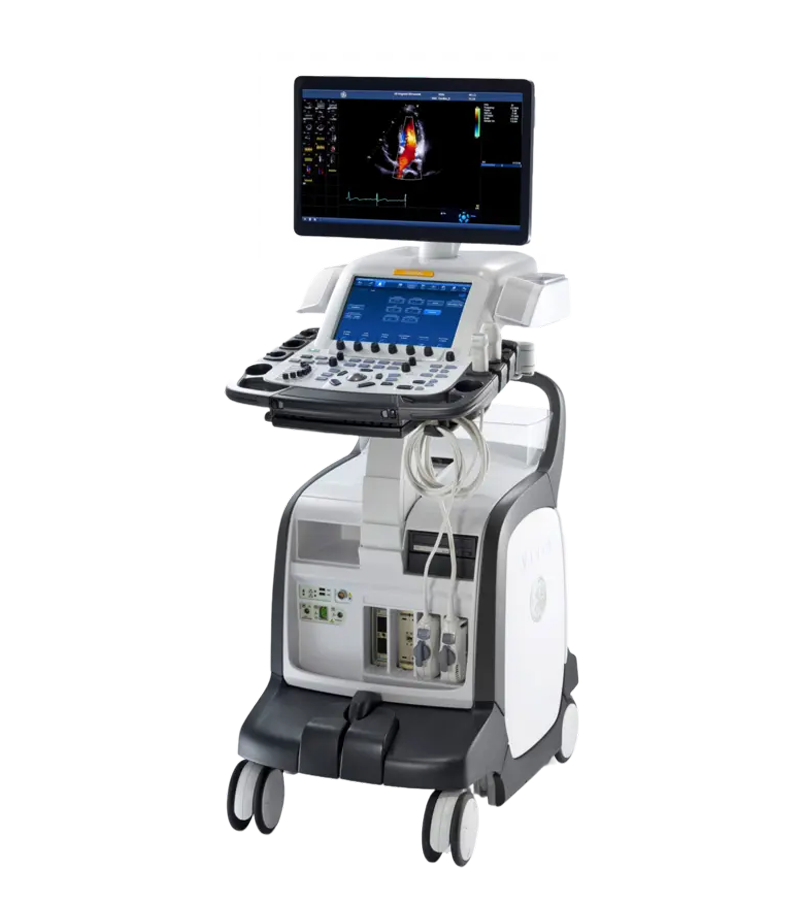






 Consult Now