 Email: tdmedical@gmail.com



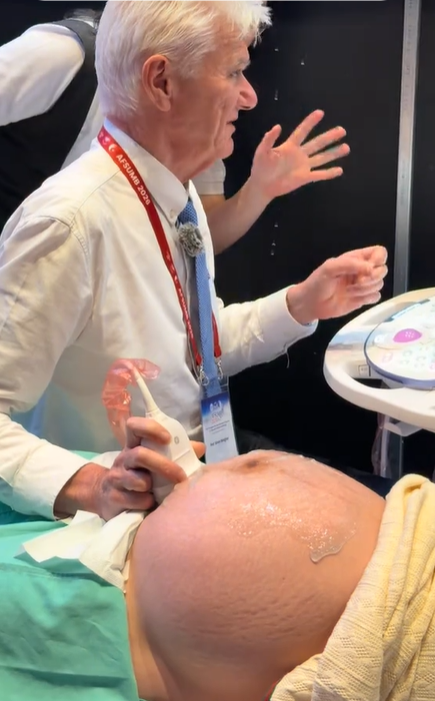
Professor Simon Meagher and Professor Ritsuko Pooh Performing Ultrasound Examinations Using the Voluson E22 System
 8.3K
8.3K
 51
51
 29-Aug-2026
 85,595
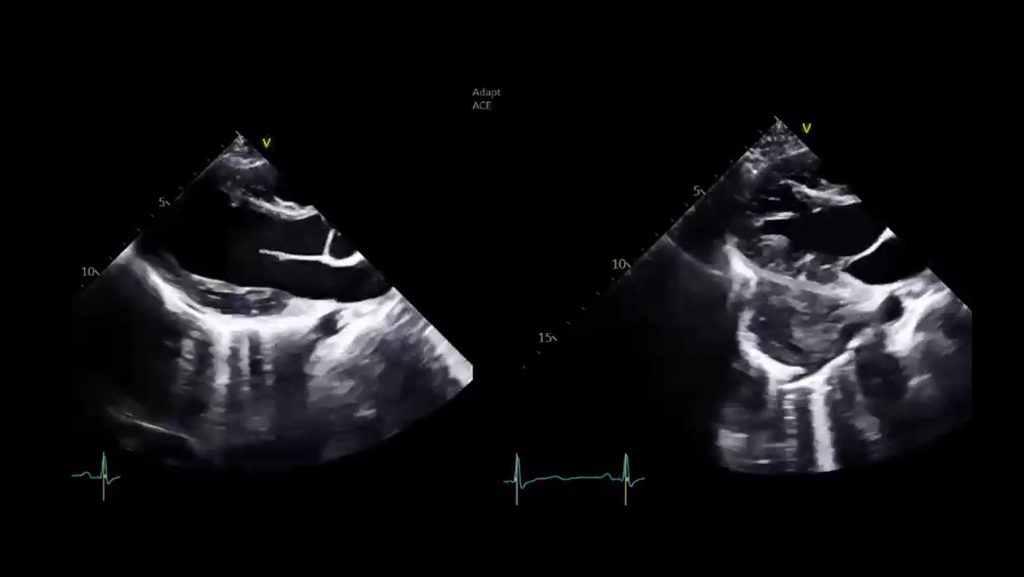
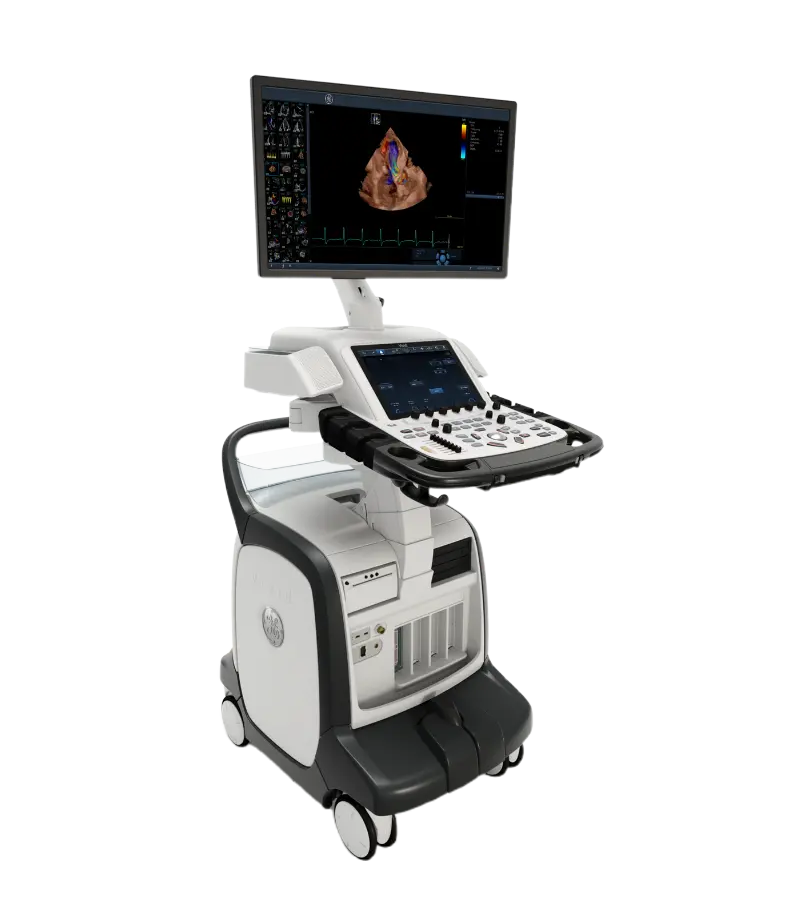
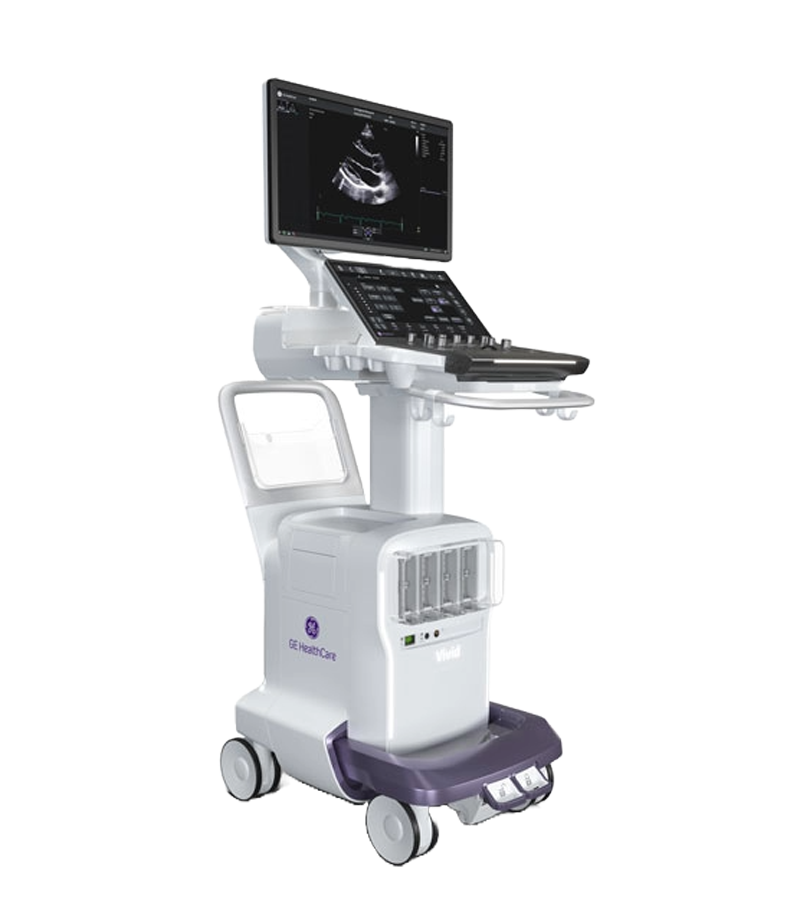
During a transthoracic echocardiography (TTE) examination performed on a 21-year-old patient using a Vivid cardiovascular ultrasound system from GE HealthCare, an extracardiac mass in contact with the pericardium was identified. Further investigations subsequently led to the diagnosis of an atypical pulmonary neoplasm.
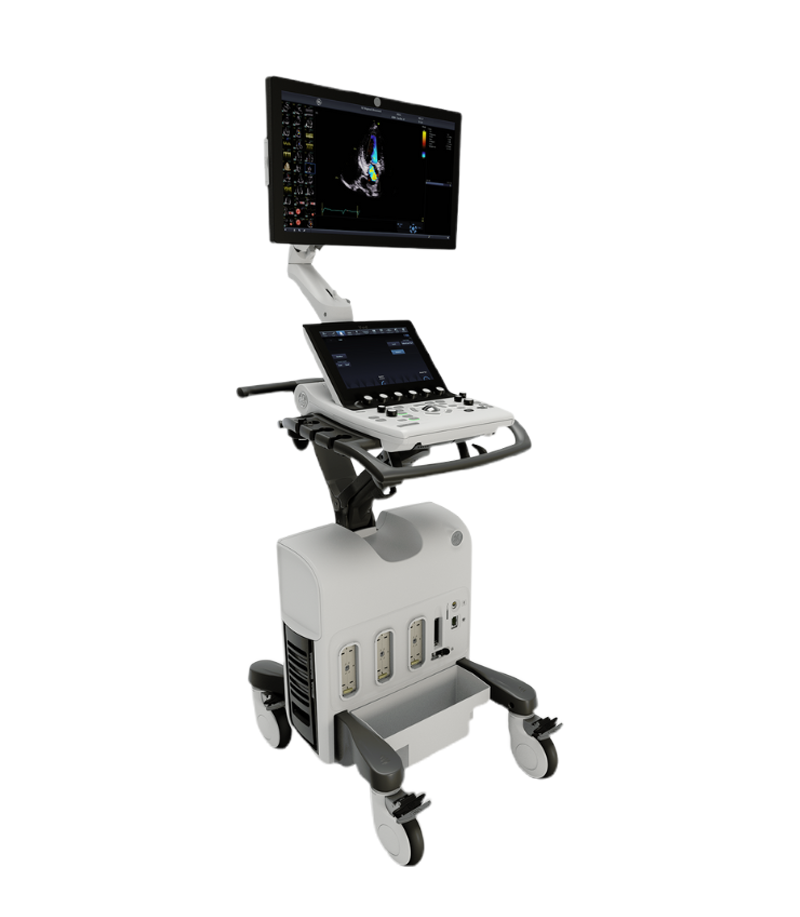
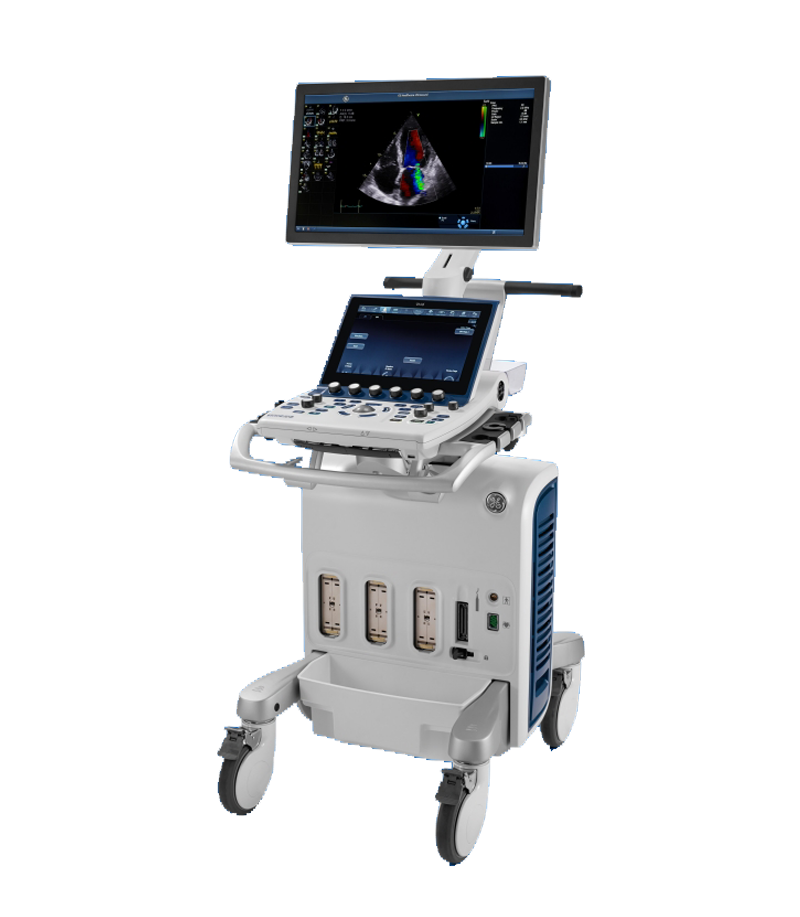
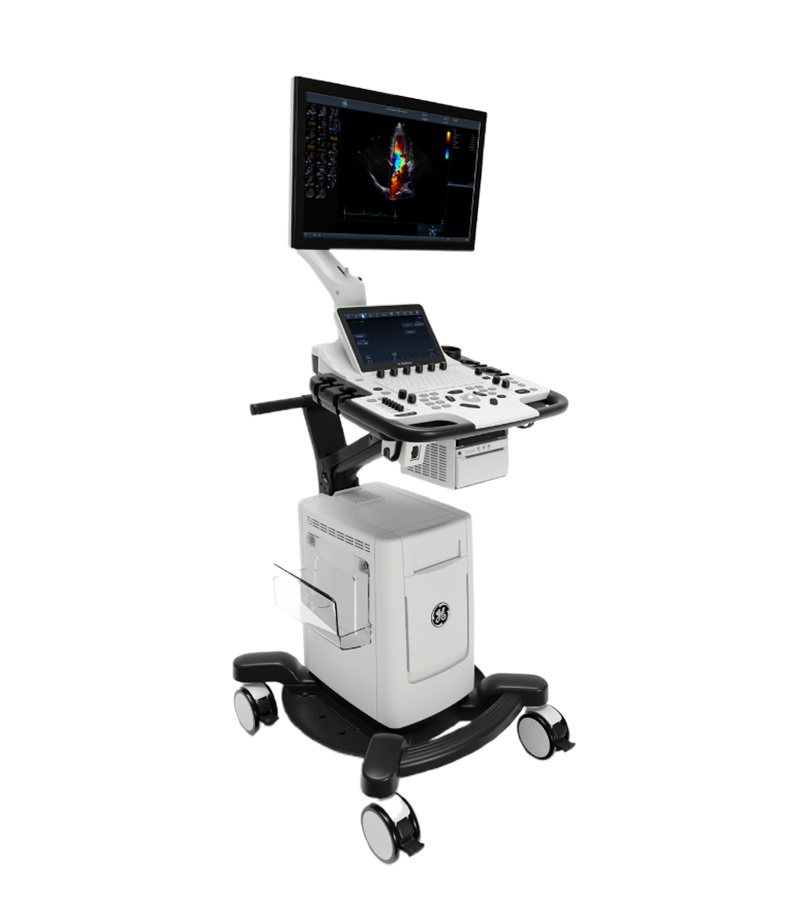
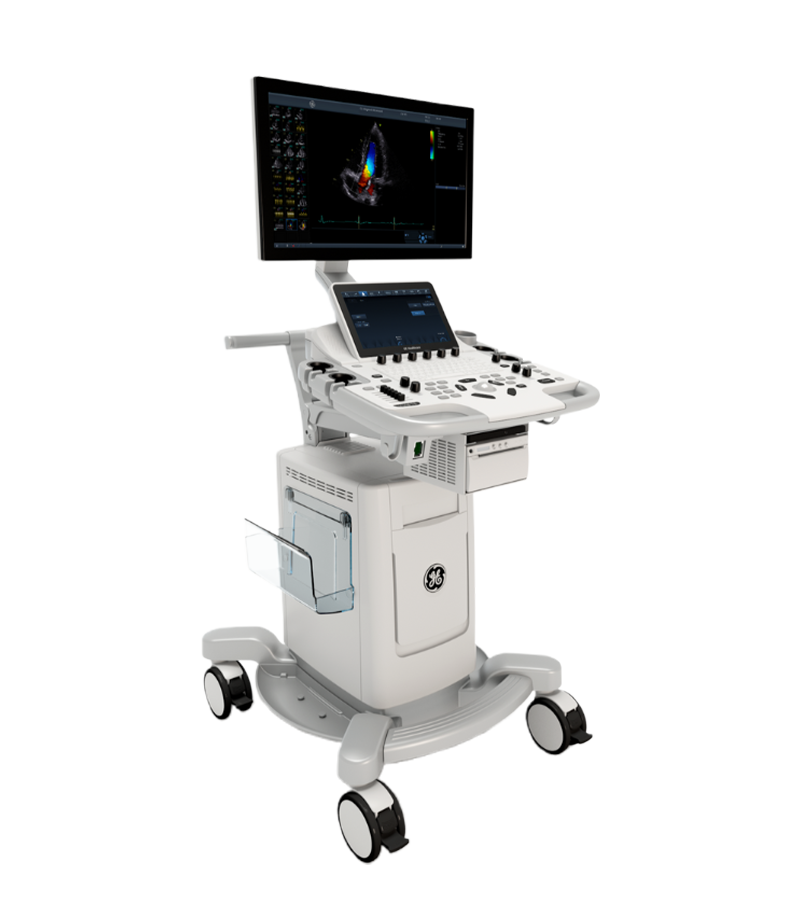
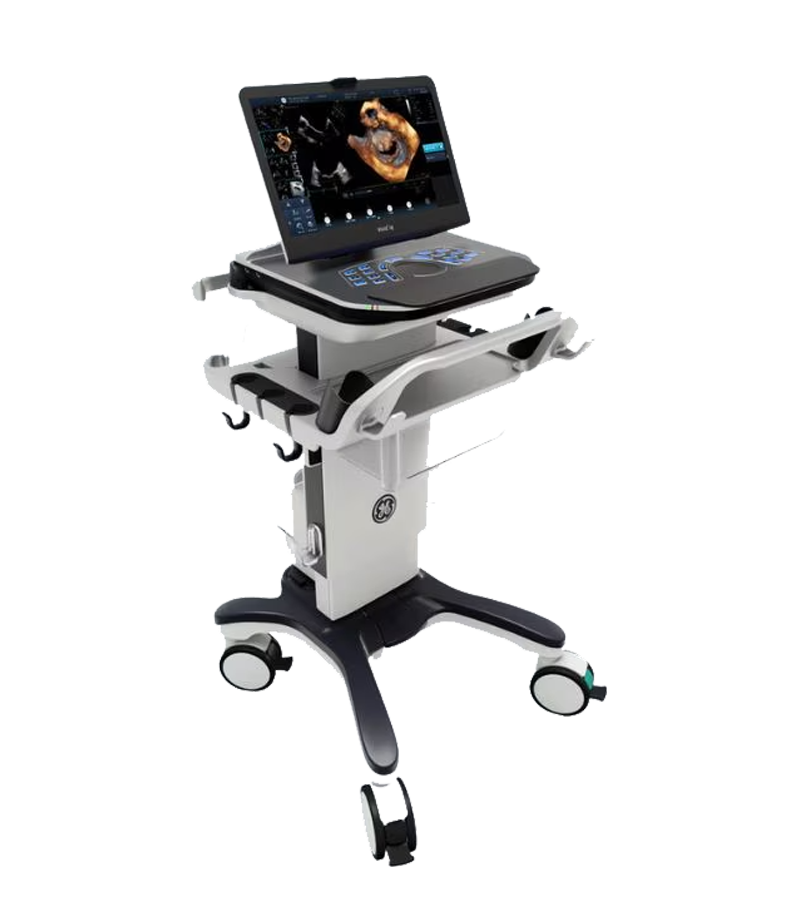
Vivid Echocardiography System
What makes this case particularly interesting is that, depending on the imaging plane, depth, and transducer angle used during the examination, the mass could be clearly visualized—or disappear completely from view.
This observation highlights a fundamental principle of echocardiography: above all, a high-quality examination must be a systematic one.
A few simple techniques can sometimes reveal abnormalities that might otherwise go unnoticed:
The primary purpose of transthoracic echocardiography remains the assessment of the heart. However, a thorough, systematic, and comprehensive examination can also lead to the detection of extracardiac abnormalities with significant diagnostic implications.
Vivid continues to advance not only image quality but also technological innovation, particularly through AI-powered tools designed to support cardiovascular diagnosis. These advancements help reduce the barriers between sonographers, clinicians, and complex echocardiographic techniques in the challenging field of cardiovascular imaging.
By supporting greater consistency and efficiency in echocardiographic assessment, these technologies can deliver meaningful diagnostic and economic value while helping reduce geographical barriers to accessing high-quality cardiovascular care.
Video source: Dr. Aimen
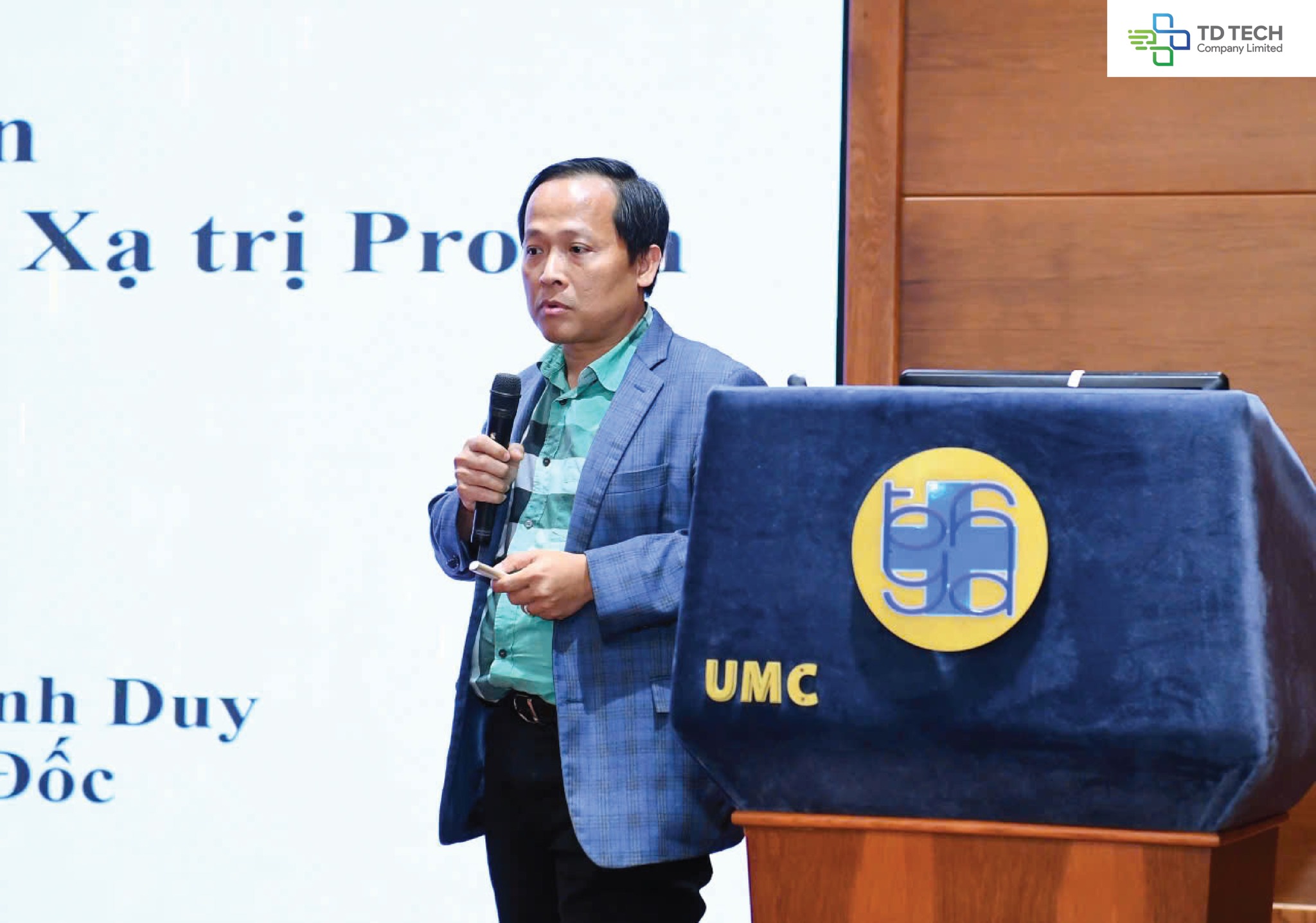
As part of the UMD 2025 Conference, Comprehensive Medical Engineering Co., Ltd. was honored to introduce Mevion Proton Therapy technology to distinguished delegates—one of the most advanced cancer treatment solutions available today. During the conference,...
Xem thêm
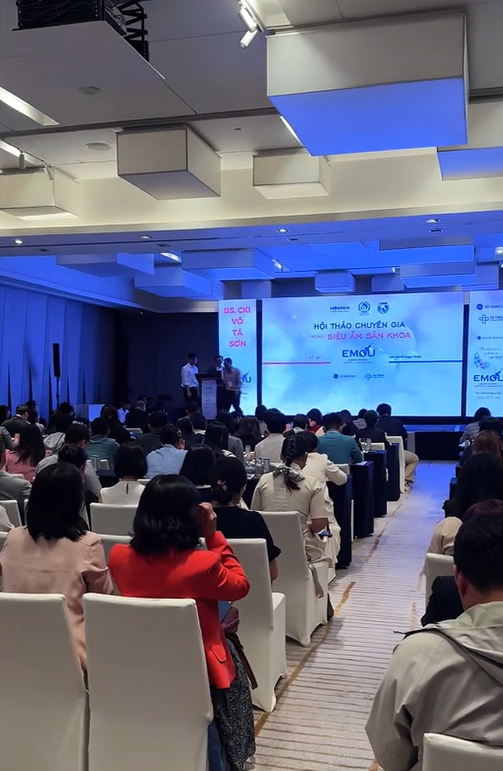
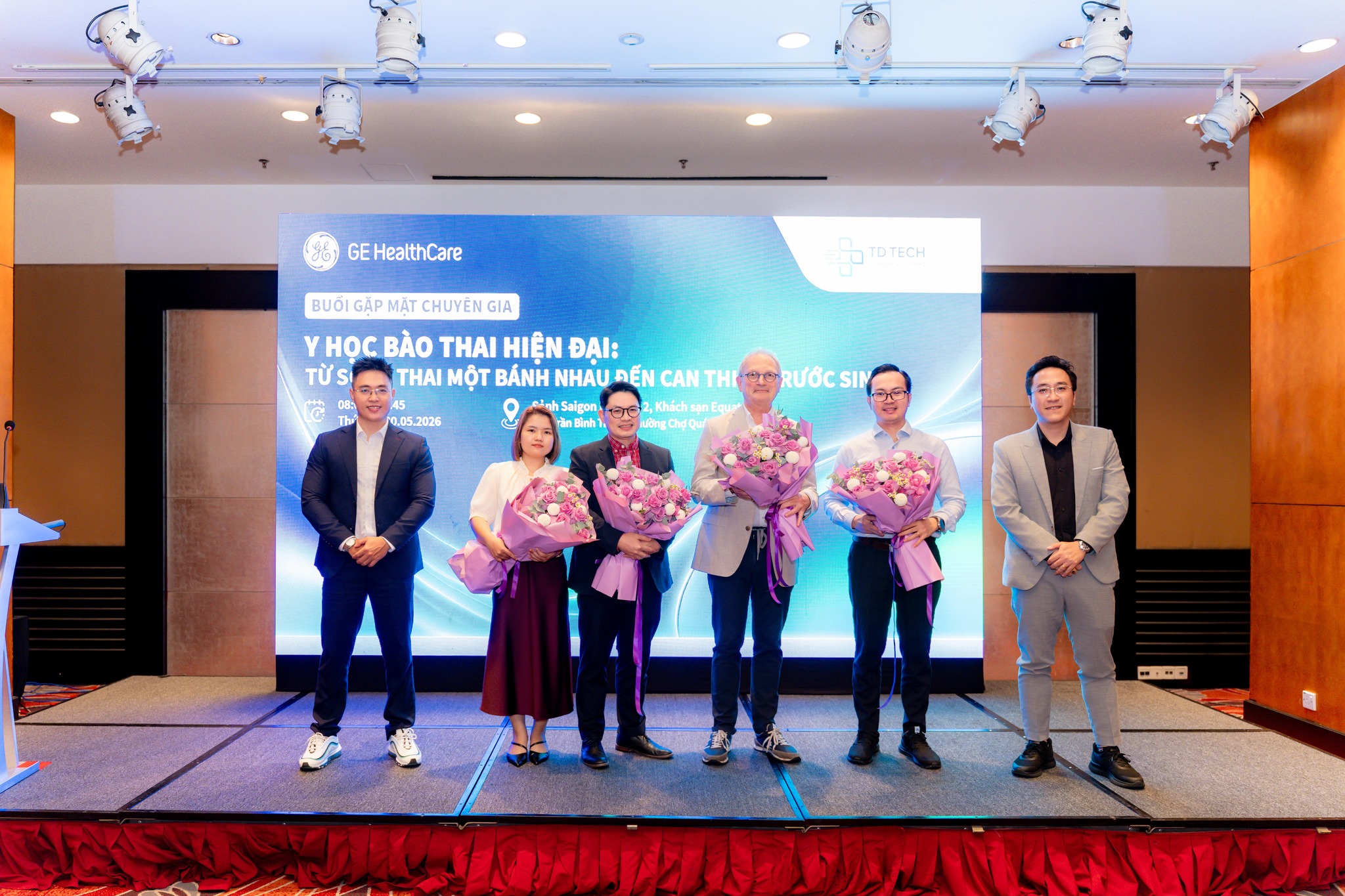
On May 30, the scientific conference titled “Modern Fetal Medicine: From Monochorionic Twin Pregnancies to Fetal Interventions,” jointly organized by TD TECH and GE HealthCare, was successfully held with the participation of numerous obstetricians and...
Xem thêm
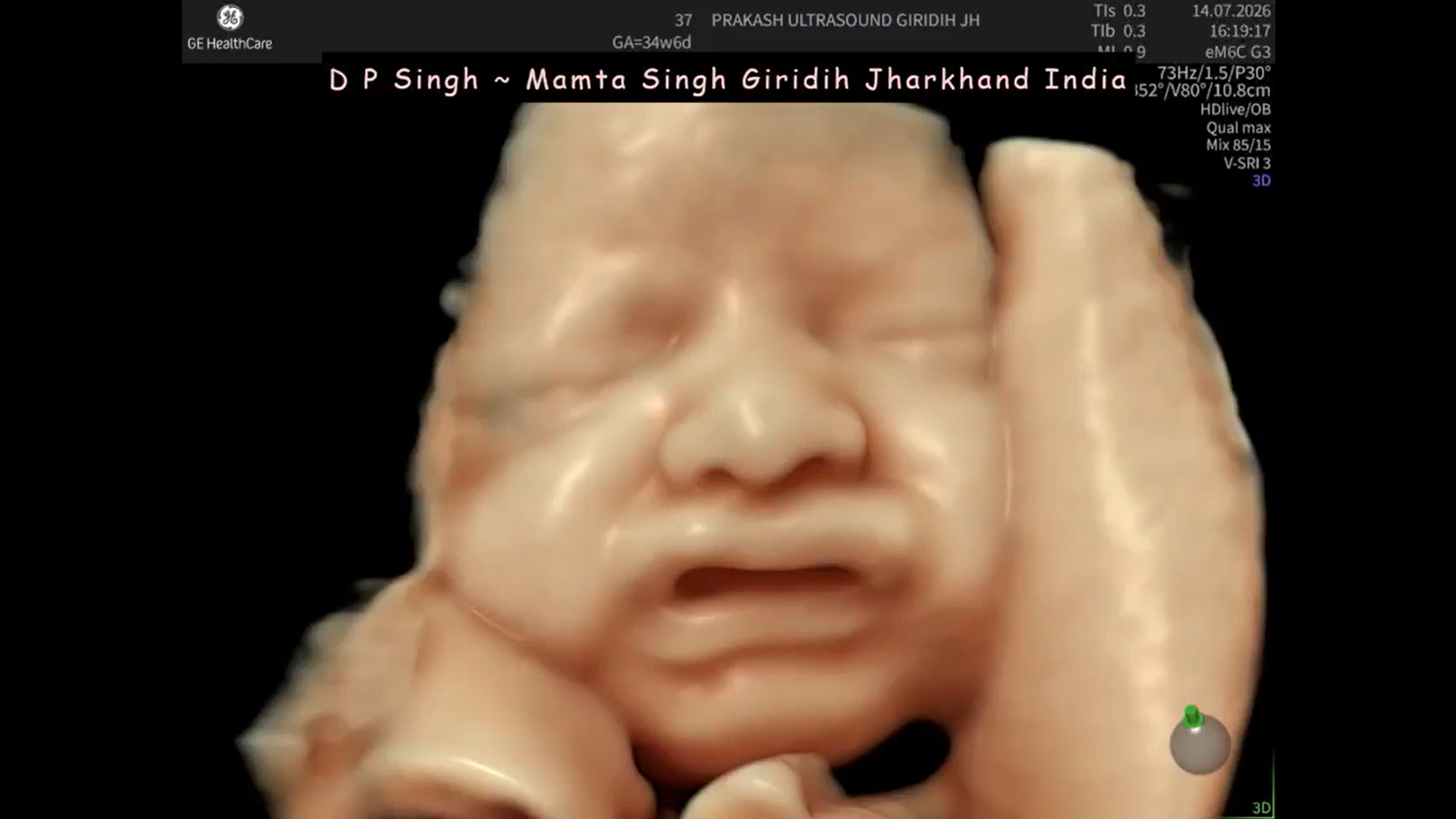
“No crying, no thinking… but definitely very expressive.” At 34–35 weeks of pregnancy, a fetus’s facial expressions can change within just a few seconds. From one ultrasound frame to the next, it can sometimes...
Xem thêm
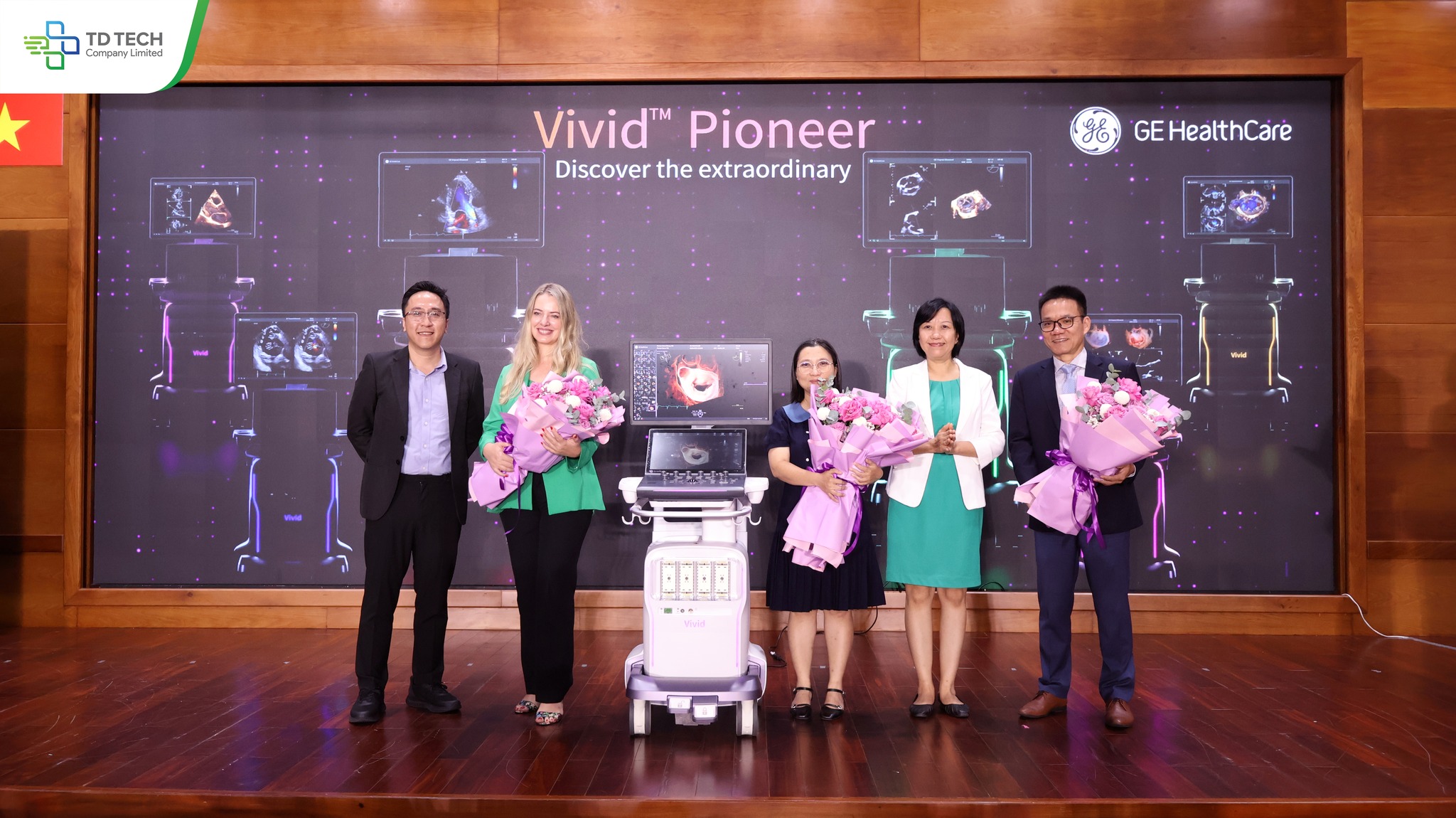
A Milestone in the Launch of the New-Generation Cardiac Ultrasound System Vivid™ Pioneer On May 7, 2026, at the University Medical Center Ho Chi Minh City, the scientific symposium “Structural Heart Disease Diagnosis: The Latest...
Xem thêm
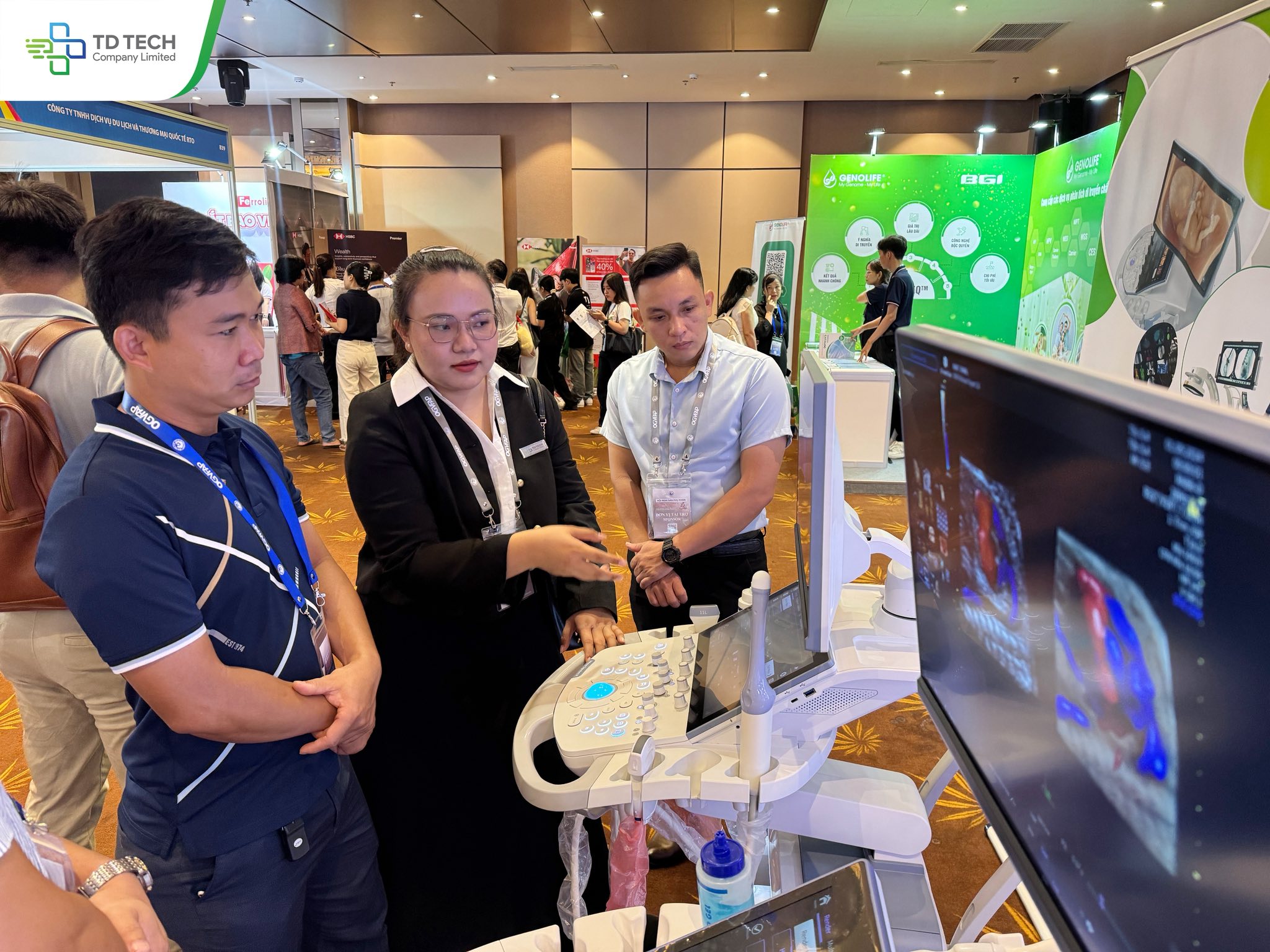
TD TECH is honored to participate in the 26th Vietnam–France–Asia-Pacific Obstetrics and Gynecology Conference, held at Riverside Palace on May 14–15, 2026. At the exhibition booth, TD TECH and GE HealthCare showcased the Voluson Signature...
Xem thêm
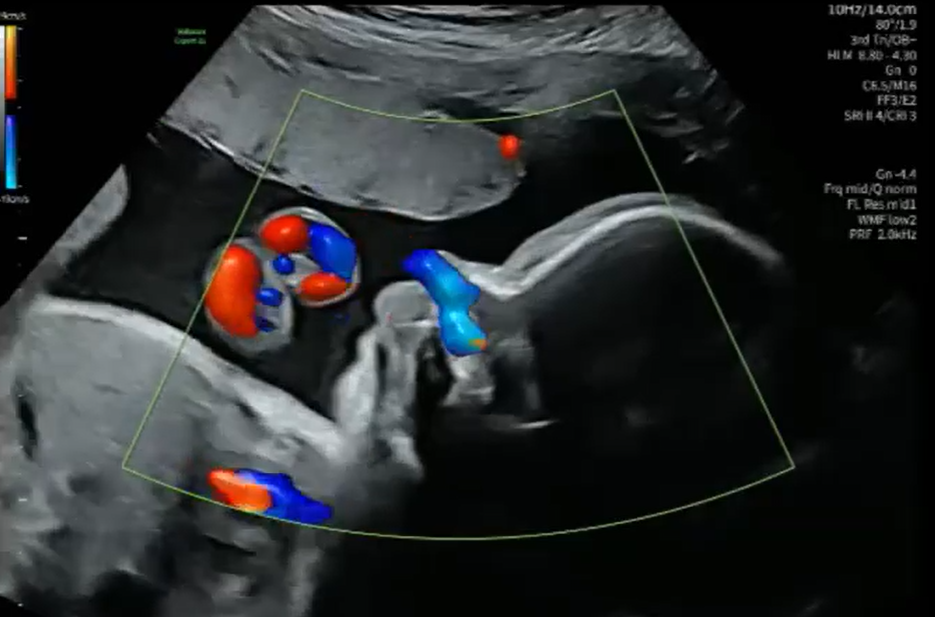
At 28 weeks of gestation, color Doppler captured a remarkable image that we rarely pause to appreciate: amniotic fluid moving through the fetal nostrils during fetal breathing movements. Of course, this process does not involve...
Xem thêm

 Xem video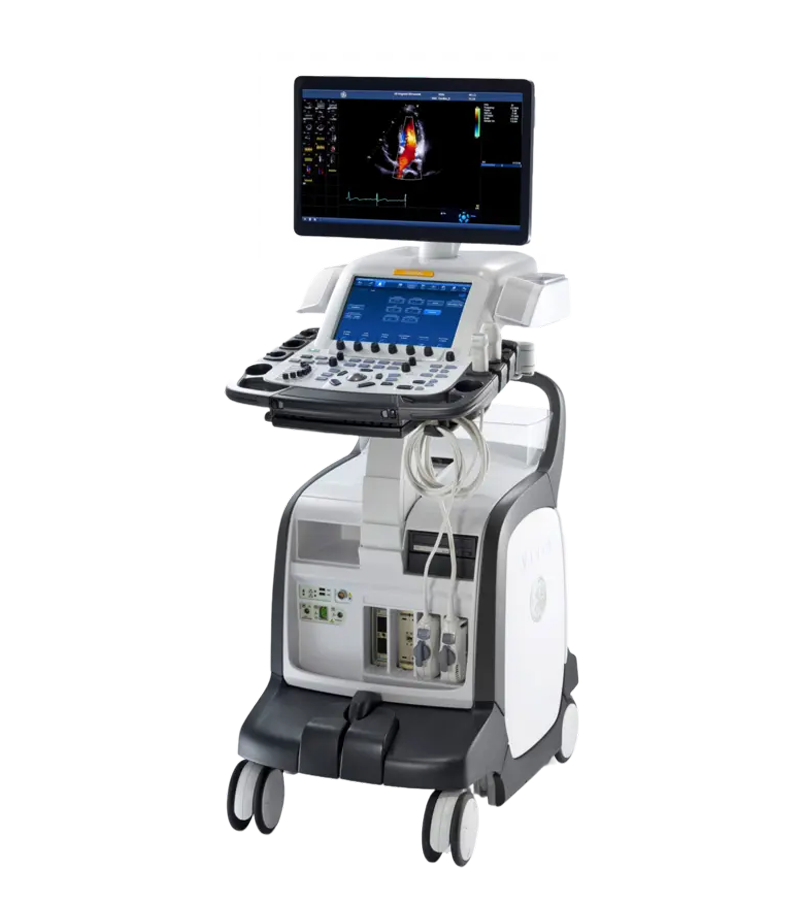


 Consult Now