 Email: tdmedical@gmail.com


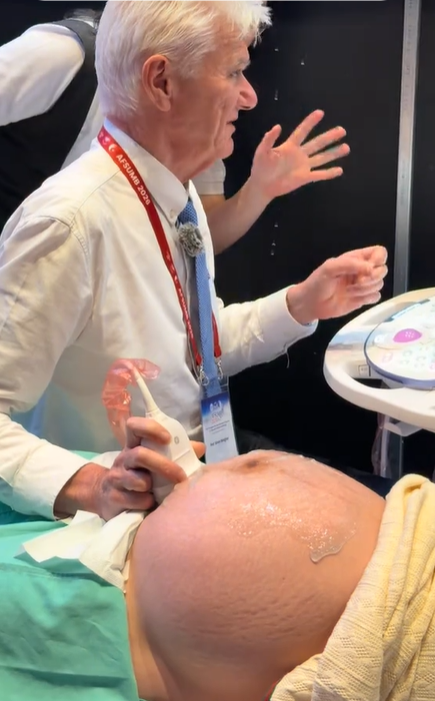
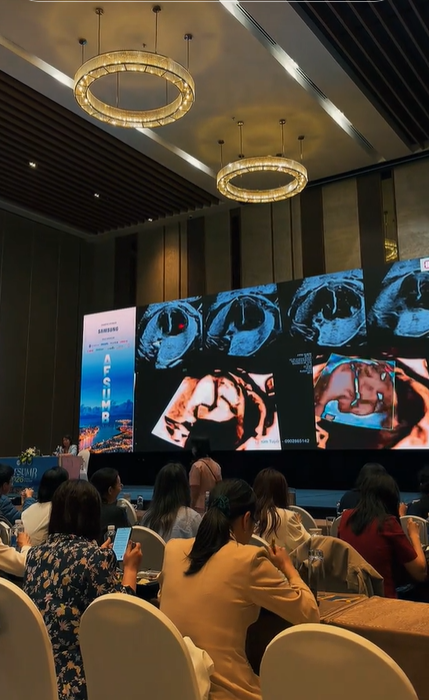
Professor Simon Meagher and Professor Ritsuko Pooh Performing Ultrasound Examinations Using the Voluson E22 System
 8.3K
8.3K
 51
51
 03-Sep-2026
 68,400
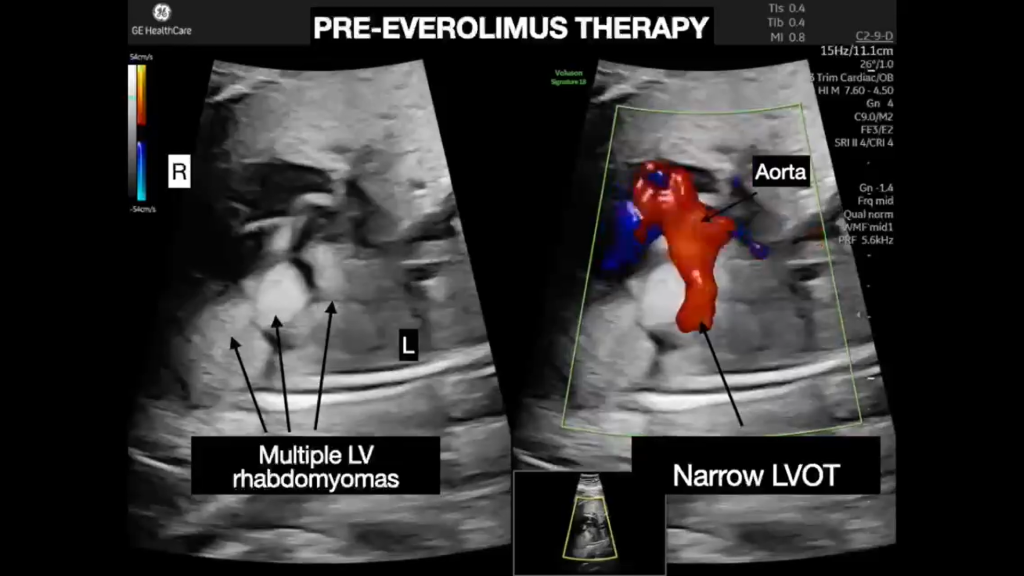
At 24 weeks of pregnancy, a routine screening ultrasound revealed multiple masses within the fetal heart. A subsequent fetal echocardiogram confirmed the presence of rhabdomyomas involving both ventricles.
Although cardiac rhabdomyomas are generally benign and often regress spontaneously, the presence of multiple tumors raised an important concern: Tuberous Sclerosis Complex (TSC).
The mother declined invasive genetic testing. However, four weeks later, the situation became more concerning as the tumors grew rapidly and began to obstruct the outflow tracts of both ventricles. Doppler ultrasound demonstrated increased flow velocities, indicating progressive obstruction.
This was no longer simply a diagnostic finding—it had become a race against time.
Following careful counseling and close monitoring, the mother was treated with oral Everolimus, an mTOR inhibitor that may promote regression of cardiac rhabdomyomas. Throughout the treatment period, the mother’s health and relevant clinical parameters were closely monitored.
Five weeks later, encouraging changes began to appear. The tumors regressed, the outflow tract obstruction was significantly reduced, and hemodynamic parameters gradually stabilized.
At 37 weeks of gestation, a healthy baby was delivered. Postnatal echocardiography showed that the cardiac rhabdomyomas were still present but no longer caused significant outflow tract obstruction. Subsequent genetic testing confirmed the diagnosis of Tuberous Sclerosis Complex.
Cardiac rhabdomyoma is the most common primary cardiac tumor in fetuses and is strongly associated with Tuberous Sclerosis Complex, particularly when multiple tumors are present.
TSC is associated with pathogenic variants in the TSC1 or TSC2 genes, leading to dysregulation of the mTOR signaling pathway. The condition can affect multiple organs, including the brain, heart, skin, and kidneys.
In some cases, these tumors may enlarge during fetal life and cause serious complications such as cardiac outflow tract obstruction, arrhythmias, or heart failure.
Therapies targeting the mTOR pathway are opening new treatment possibilities for selected high-risk cases. However, assessment and treatment should be carried out by a multidisciplinary team with close monitoring of both the mother and the fetus.
This case is a reminder that timely diagnosis, careful surveillance, and close collaboration across multiple specialties can make an important difference even before birth.
Video source: Dr. ShreePal
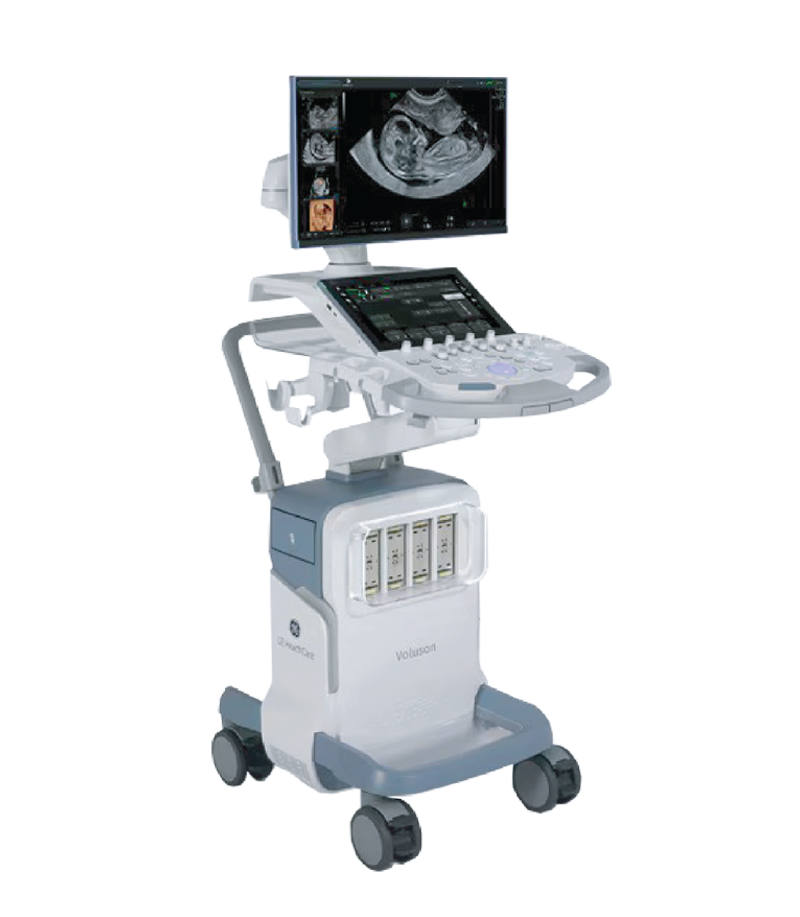
The images were acquired using the C2-9 single-crystal transducer on the Voluson Signature 18 ultrasound system.
Voluson Signature 18
What Is Valvular Heart Disease? Common Types of Valve Disorders Valvular heart disease is a condition in which one or more of the heart valves (the mitral valve, tricuspid valve, aortic valve, or pulmonary valve)...
Xem thêm
What Is Twin-to-Twin Transfusion Syndrome? Twin-to-Twin Transfusion Syndrome (TTTS) is a serious complication that can occur in monochorionic twin pregnancies, in which vascular anastomoses within the shared placenta lead to an imbalanced exchange of blood...
Xem thêm
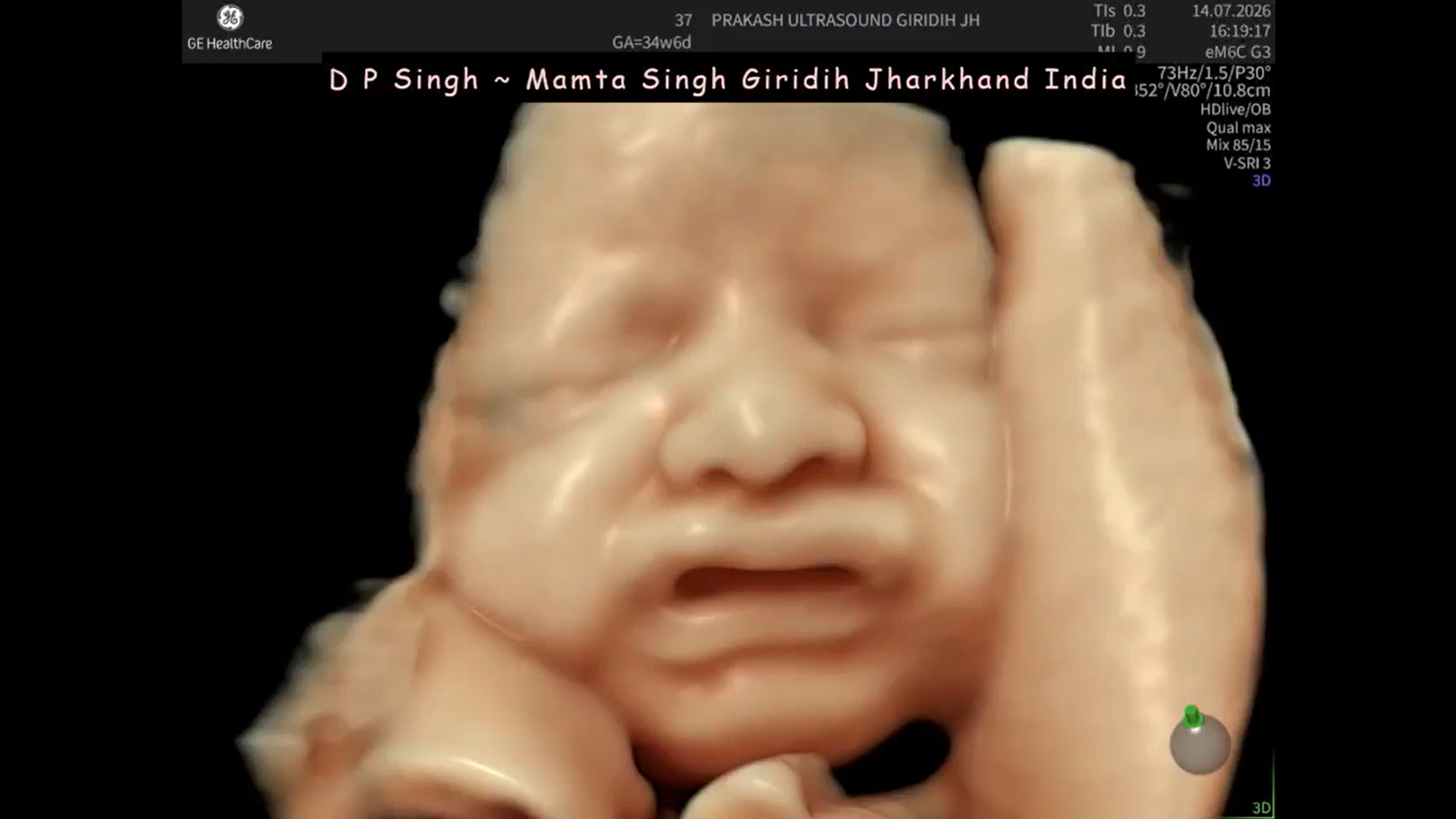
“No crying, no thinking… but definitely very expressive.” At 34–35 weeks of pregnancy, a fetus’s facial expressions can change within just a few seconds. From one ultrasound frame to the next, it can sometimes...
Xem thêm
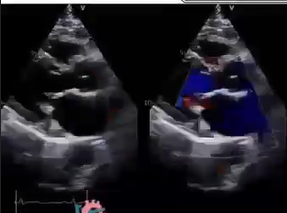
The same valve, the same ultrasound screen—yet they can tell three completely different stories. Video source: Dr. Shubham This video illustrates the appearance of the mitral valve in three different conditions: a normal mitral...
Xem thêm
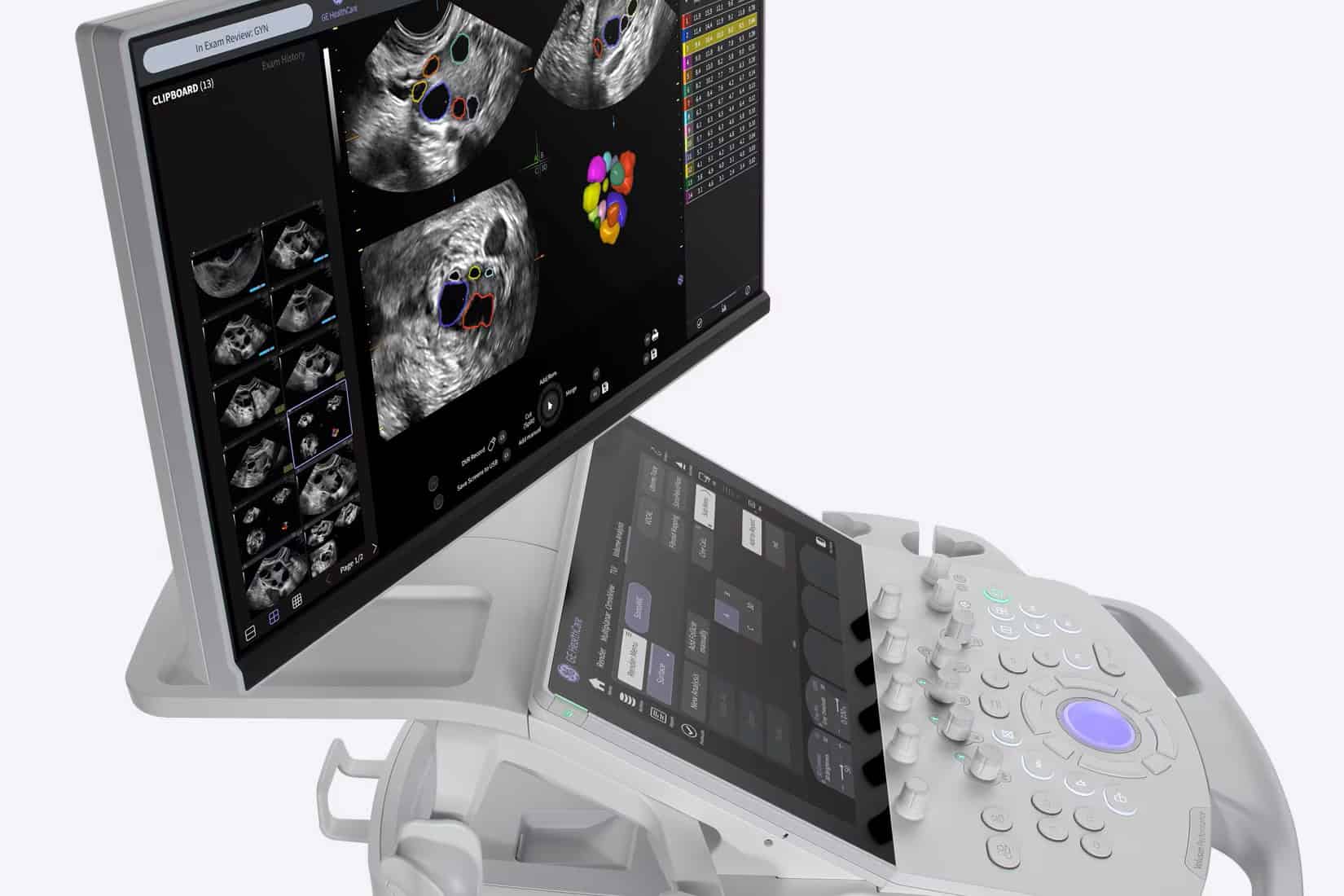
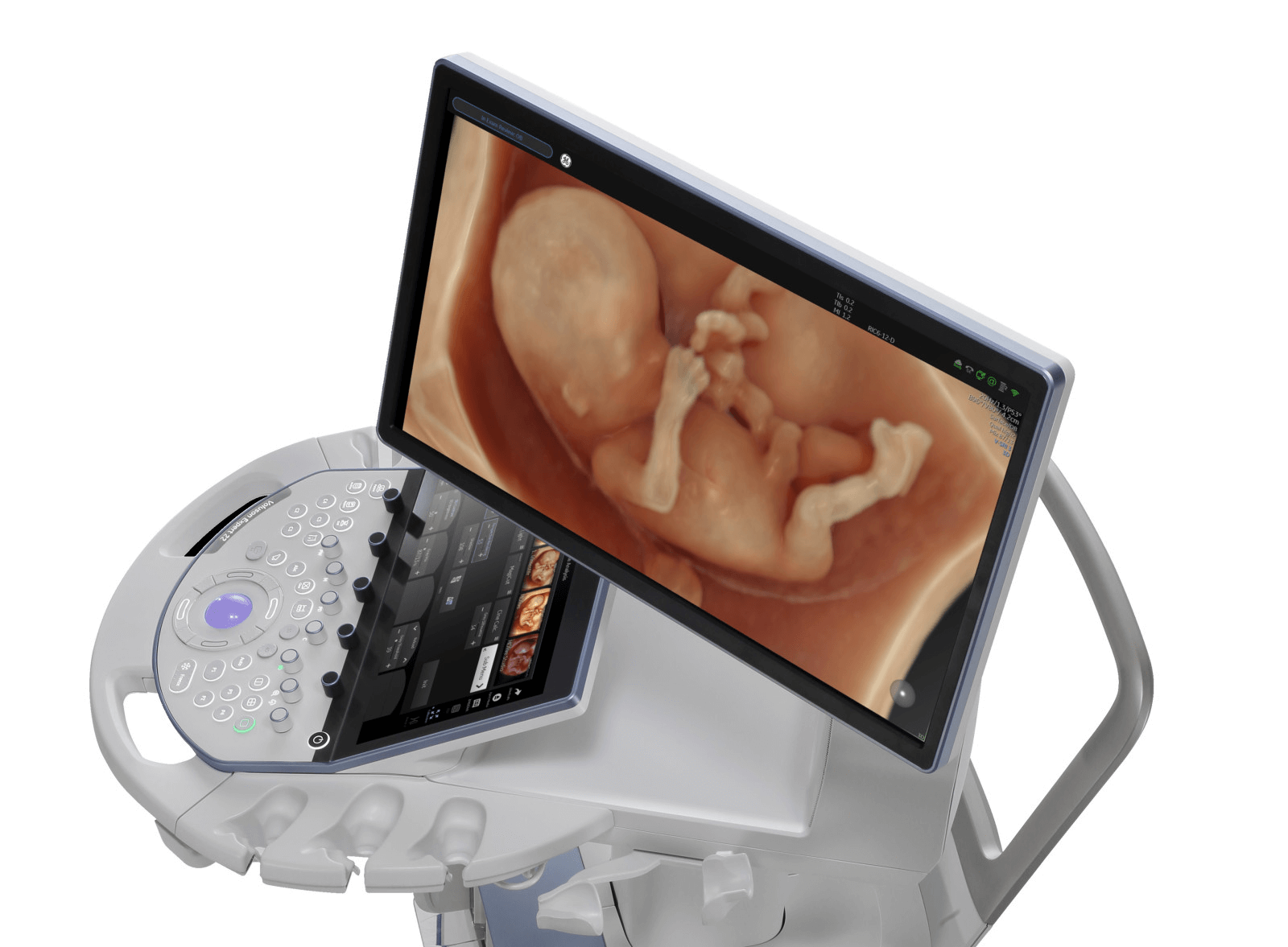
In obstetrics and gynecology, the growing need for clearer fetal visualization and more efficient examination workflows is driving the development of next-generation 3D/4D ultrasound systems. These devices are often searched for under the term “5D...
Xem thêm
GE HealthCare is a global medical technology company operating across diagnostic imaging, ultrasound, patient monitoring, diagnostic pharmaceuticals, AI, and healthcare software solutions. GE HealthCare offers a broad portfolio of ultrasound systems, with each product family...
Xem thêm




 Xem video



 Consult Now