 Email: tdmedical@gmail.com




Professor Simon Meagher and Professor Ritsuko Pooh Performing Ultrasound Examinations Using the Voluson E22 System
 8.3K
8.3K
 51
51
 14-Apr-2026
 92,910

Dear mom-to-be, as you read this article, you may already be feeling the growing weight of the little life inside you. Congratulations, you have officially entered the final stretch of this incredible 9-month journey!
The third trimester is not only a time of anticipation and excitement but also when your body undergoes the most significant changes in preparation for childbirth.
This article provides a comprehensive overview, from definitions and physiological changes to essential tips that help you go through the last three months as smoothly as possible.
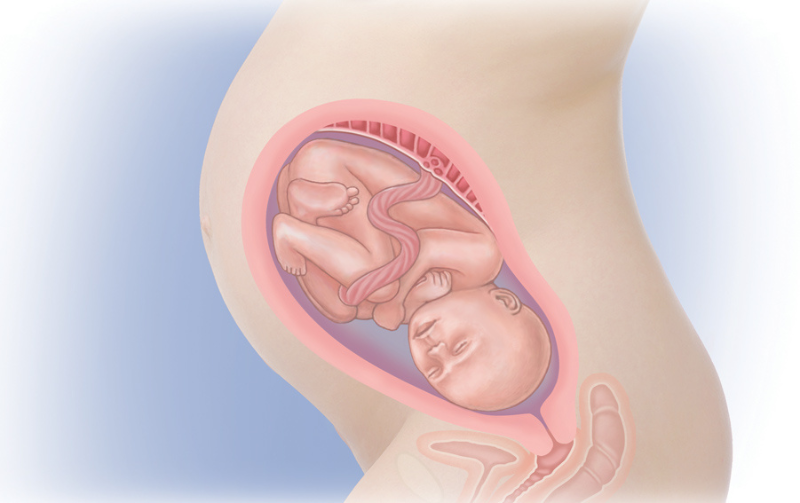
In medical terms, a normal pregnancy lasts about 40 weeks and is divided into three stages (trimesters) as follows:
The third trimester begins from week 28 to week 40 (equivalent to months 7 to 9).
This is the stage when the baby completes final organ development and gains weight rapidly. For mothers, this is also when the body faces the greatest pressure as the belly grows larger, requiring both physical endurance and emotional care.

As the baby grows, your body adapts, leading to several common conditions:
The rapid weight gain puts pressure on the spine, causing back and hip pain. Increased pressure on the legs can also lead to poor circulation, swelling, and varicose veins.
You may feel your abdomen tighten for a few seconds. These are false contractions, not regular or severely painful, and serve as practice for real labor.
Due to anxiety about childbirth and hormonal changes, many mothers experience vivid or unusual dreams. This is normal, and sharing with loved ones can help relieve stress.

This is when the baby absorbs nutrients the most. Mothers should note:
During the third trimester, mothers need to be especially attentive to their body signals. Seek medical care immediately if you experience:
1. Premature rupture of membranes (PROM):
PROM occurs when the amniotic sac breaks before labor begins. You may notice a sudden gush or continuous leakage of fluid that cannot be controlled, typically clear or slightly cloudy.
This condition increases the risk of infection and preterm birth. Seek medical attention immediately if suspected.
2. Preeclampsia

Preeclampsia is a dangerous pregnancy complication characterized by high blood pressure and potential organ damage.
Symptoms include severe headaches, blurred vision, nausea, upper abdominal pain, sudden swelling, and rapid weight gain.
3. Vaginal bleeding
Any vaginal bleeding in the third trimester is abnormal, whether light or heavy.
It may indicate serious conditions such as placenta previa, placental abruption, or preterm labor.
4. Reduced or absent fetal movements
Fetal movement reflects the baby’s health. Normally, movements are felt daily.
If fewer than 10 movements are felt within 2 hours after rest, seek medical care immediately.
5. Severe or persistent abdominal pain
Severe or regular abdominal pain may indicate preterm labor or complications.
If accompanied by bleeding or abnormal discharge, immediate medical evaluation is necessary.
To stay mentally prepared, mothers should begin preparation from weeks 32–35:
The third trimester is both physically demanding and filled with anticipation. Every discomfort will feel worthwhile when you finally hold your baby.
Listen to your body, maintain a healthy lifestyle, and stay in close contact with your doctor.
Wishing all mothers a safe final trimester and a smooth delivery!
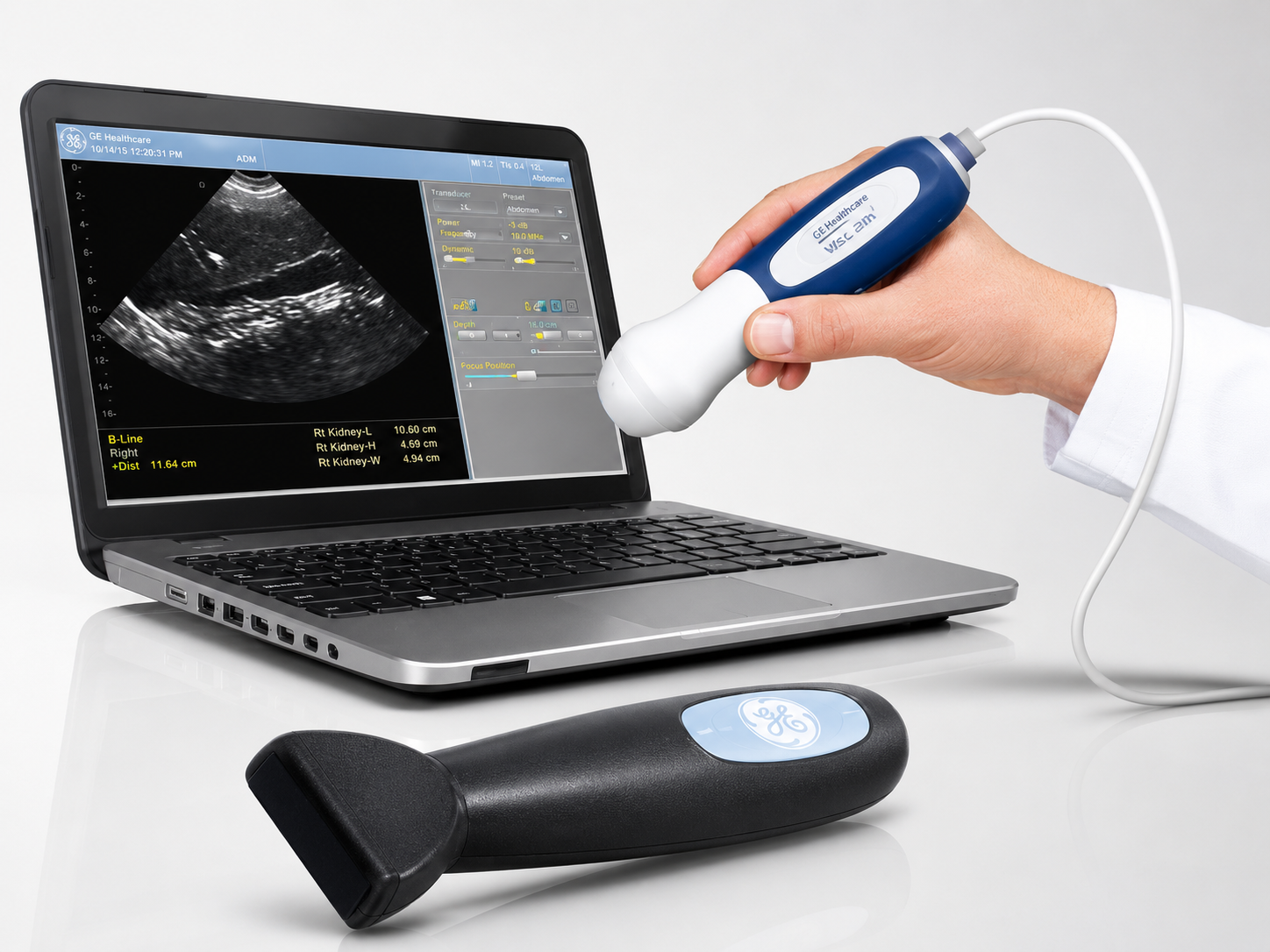
What Is a Handheld Ultrasound? A handheld ultrasound device is an ultra-compact medical imaging system, typically no larger than a smartphone or tablet, that connects directly to a smart ultrasound probe. Powered by a rechargeable...
Xem thêm
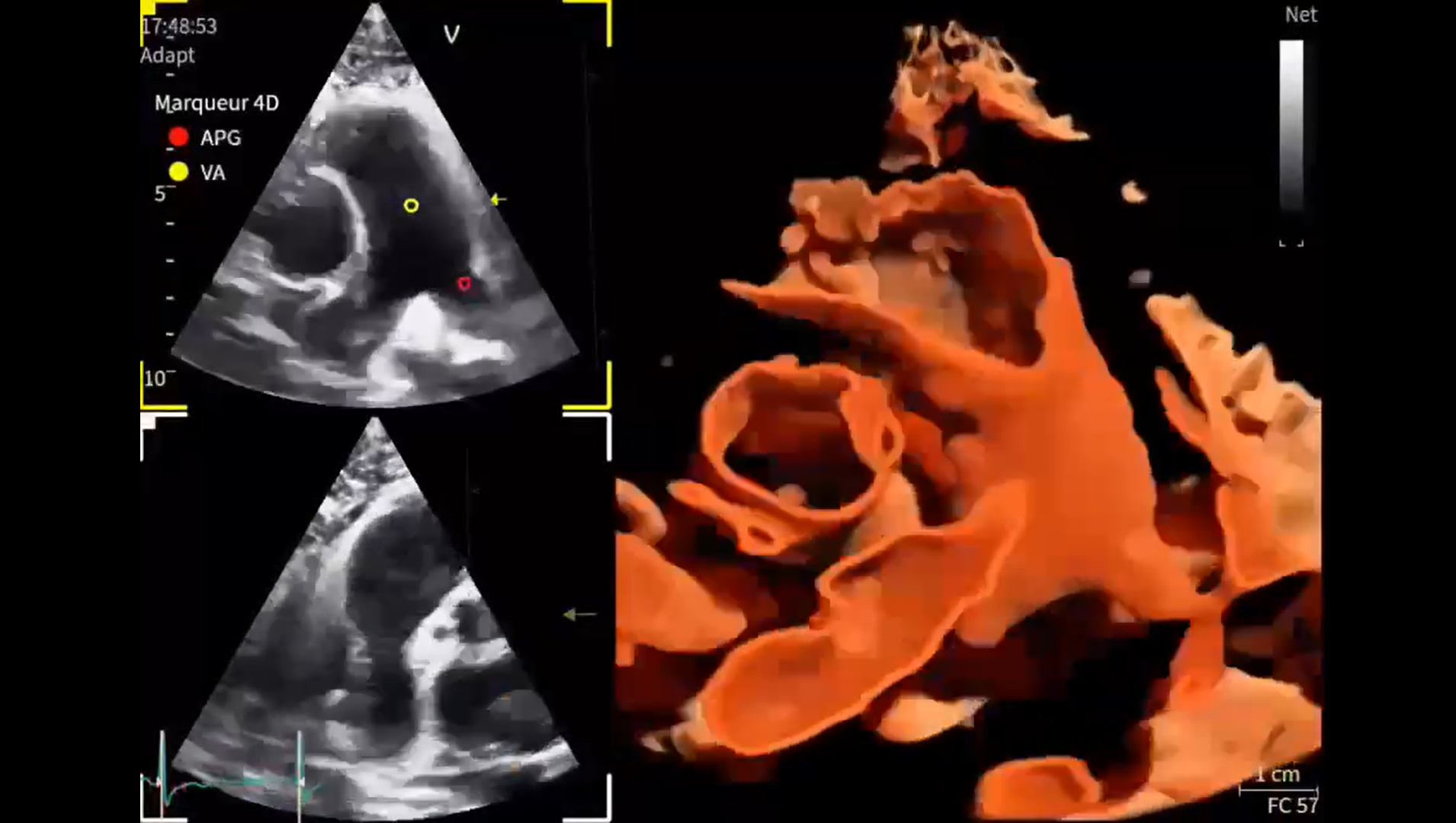
With the latest cSound platform integrated, the Vivid™ cardiovascular ultrasound systems are delivering significant value in both clinical support and diagnostic imaging. This platform represents a major step forward in image quality, workflow smoothness, and day-to-day...
Xem thêm
What Is a Fetal Anatomy Ultrasound? A fetal anatomy ultrasound is an ultrasound examination designed to systematically assess the anatomical structures and development of the fetus. During the examination, the physician evaluates the fetus using...
Xem thêm
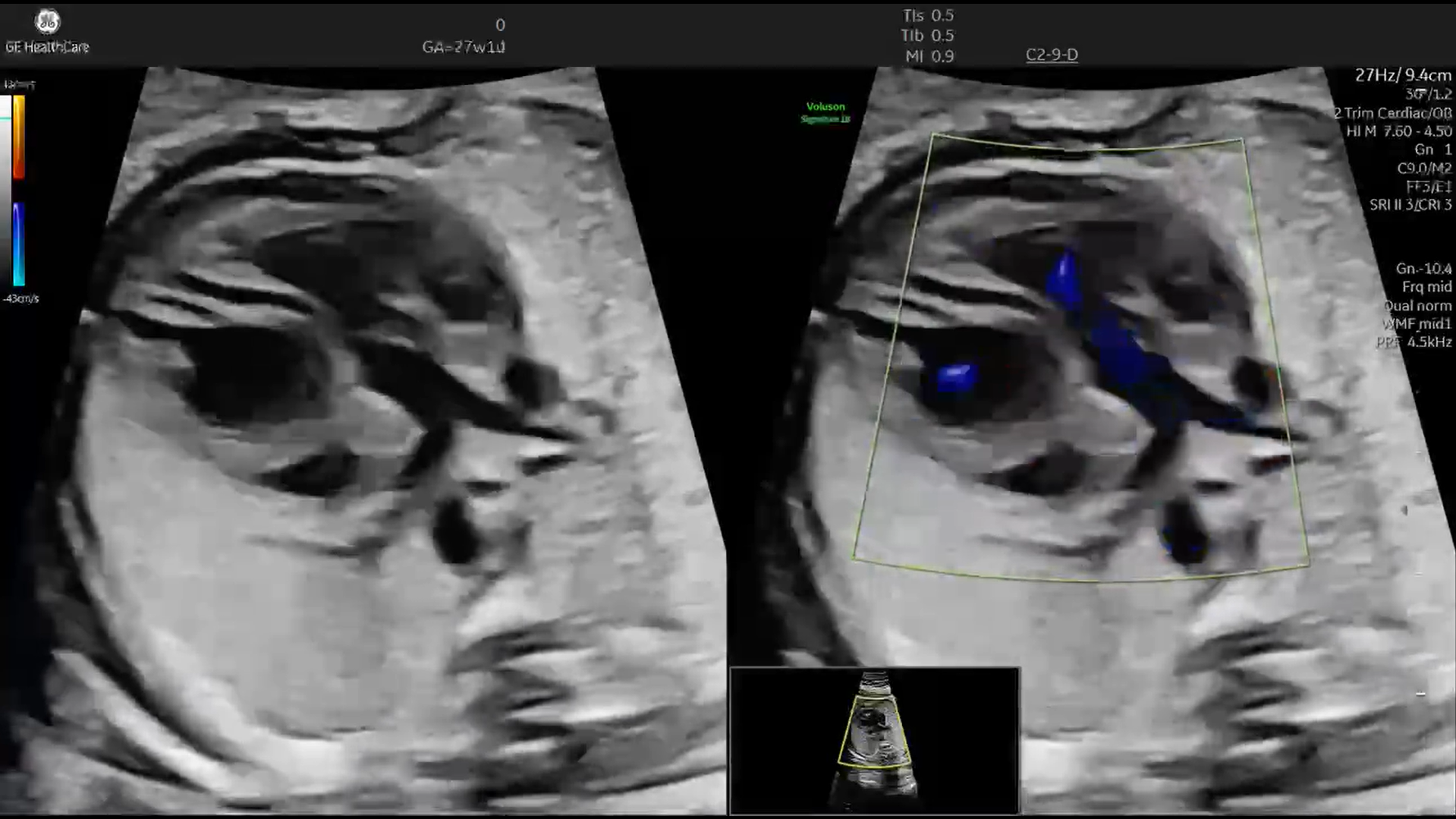
A 27-week-old fetus was referred for further evaluation after an abnormal orientation of the great arteries was detected during a routine ultrasound examination. What initially appeared to be only a subtle anatomical variation quickly...
Xem thêm
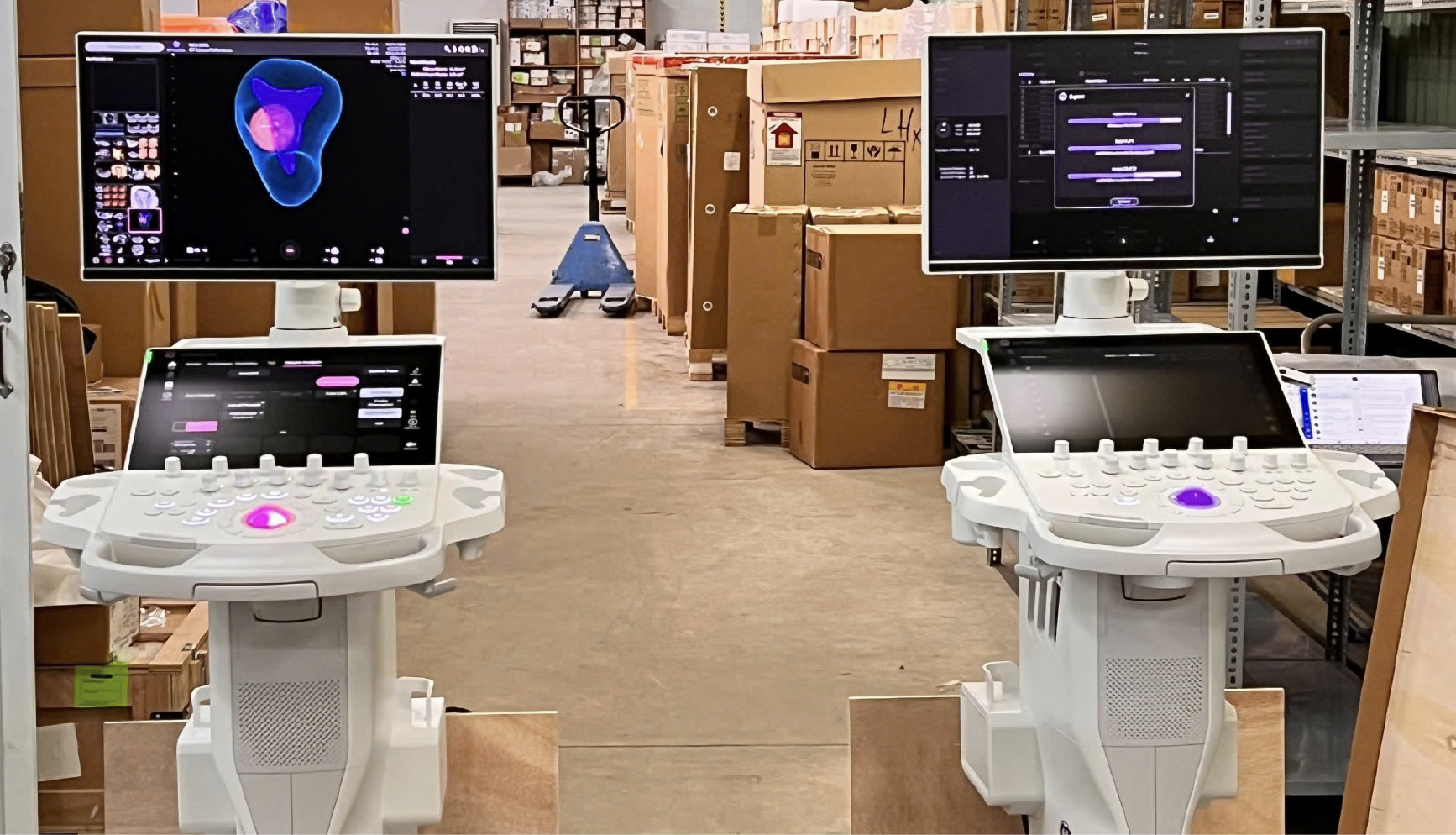
Unboxing the Voluson P16 and P18 ultrasound machines – the two latest models in the P-Series featuring modern designs, sharp imagery, and effective support for OB/GYN and multi-specialty diagnostics. Introduction In the field of diagnostic...
Xem thêm
GE HealthCare is a global medical technology company operating across diagnostic imaging, ultrasound, patient monitoring, diagnostic pharmaceuticals, AI, and healthcare software solutions. GE HealthCare offers a broad portfolio of ultrasound systems, with each product family...
Xem thêm








 Consult Now